Book comparison
Man's Search for Meaning vs Meditations
Read Man’s Search for Meaning if you want a reason to keep going that someone earned the hard way, and Meditations if you want something to return to for the rest of your life rather than finish.
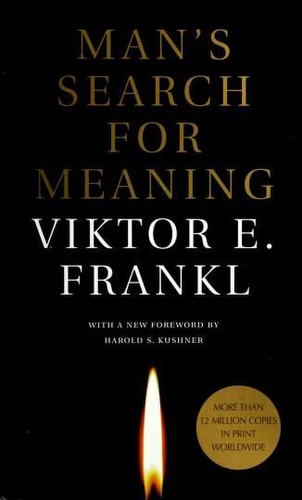
Man's Search for Meaning
Viktor E. Frankl
1946 · 4h 45m
Man's Search for Meaning is Viktor Frankl's account of his years as a prisoner in Nazi concentration camps, including Auschwitz, and the psychological theory he developed from that experience.
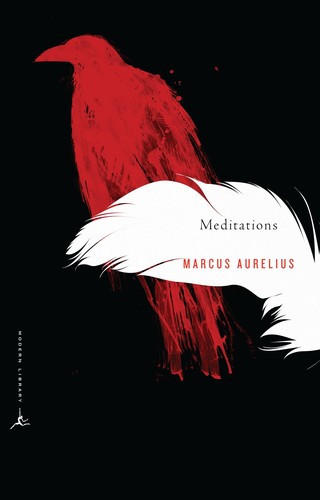
Meditations
Marcus Aurelius
1559 · 4h 15m
Meditations is not a book Marcus Aurelius wrote for anyone to read.
Where they agree
Both are short books about keeping an inner life intact when the outer one is not yours to control, and both land on the same claim: you do not choose what happens, you choose the stance you take toward it. Neither was written from a comfortable study — Frankl drew on three years in Nazi concentration camps, and Marcus Aurelius wrote his notes in Greek, privately, while running an empire and campaigning on its frontiers. Frankl also draws openly on that older tradition, so the resemblance is a real lineage, not a coincidence.
Where they differ
Frankl is building toward a doctrine. The first half is a psychiatrist’s account of the camps; the second sets out logotherapy, the argument that the primary human drive is meaning rather than pleasure or power, and that meaning is available in work, in love, or in the attitude taken toward suffering that cannot be removed. Meditations has no doctrine to sell and no reader in mind at all. It is repetitive, unsystematic and often blunt to the point of severity — a powerful man reminding himself daily that he will die, that other people will behave badly, and that neither fact excuses him from his job. One is a book with an argument and an ending; the other is a practice.
Which to read first
Man’s Search for Meaning. It is short, it is narrative, and it gives you a reason to care before it asks anything of you. Meditations rewards rereading more than reading, and it lands better once you already know why you reached for it. If you do start there, the translation matters more than with most books — Gregory Hays’s modern English is the usual recommendation for a first encounter.
Read Man's Search for Meaning if
You want one person’s account of what survived when everything else had been taken, and what he concluded from it.
Read the summary →Read Meditations if
You want a book you never really finish — a short daily correction, from someone with every excuse not to bother.
Read the summary →Common questions
Should I read Man's Search for Meaning or Meditations?
Read Man’s Search for Meaning if you want a reason to keep going that someone earned the hard way, and Meditations if you want something to return to for the rest of your life rather than finish.
What is the difference between Man's Search for Meaning and Meditations?
Frankl is building toward a doctrine. The first half is a psychiatrist’s account of the camps; the second sets out logotherapy, the argument that the primary human drive is meaning rather than pleasure or power, and that meaning is available in work, in love, or in the attitude taken toward suffering that cannot be removed. Meditations has no doctrine to sell and no reader in mind at all. It is repetitive, unsystematic and often blunt to the point of severity — a powerful man reminding himself daily that he will die, that other people will behave badly, and that neither fact excuses him from his job. One is a book with an argument and an ending; the other is a practice.
Which should I read first, Man's Search for Meaning or Meditations?
Man’s Search for Meaning. It is short, it is narrative, and it gives you a reason to care before it asks anything of you. Meditations rewards rereading more than reading, and it lands better once you already know why you reached for it. If you do start there, the translation matters more than with most books — Gregory Hays’s modern English is the usual recommendation for a first encounter.
More like these: books like Man's Search for Meaning, books like Meditations, or every comparison.
