Book comparison
Range vs Outliers
Read Range if you are making a decision about your own path, and Outliers if you want the more enjoyable book about why success stories are told wrong; Range is the better sourced of the two.
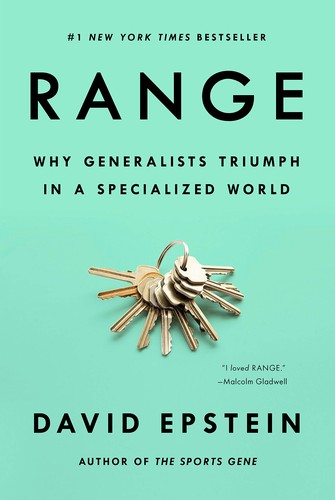
Range
David Epstein
2019 · 6h 15m
Range is David Epstein's argument against the ten-thousand-hours gospel.
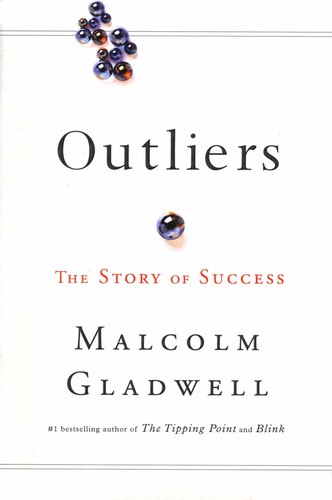
Outliers
Malcolm Gladwell
2008 · 5h 15m
Outliers is Malcolm Gladwell's argument that exceptional success is less a product of individual genius or drive than it is of hidden advantages, timing, and accumulated opportunity.
Where they agree
Both are narrative nonfiction by journalists asking what actually produces exceptional performance, both are built as a sequence of case studies, and both attack the same comfortable story, that outstanding people were simply more gifted and worked harder. Range also takes up the 10,000-hour argument that Outliers made famous, and pushes back on it.
Where they differ
Outliers explains success by things you had no say in: when you were born, what month, what your parents did, which culture you inherited. Range explains it by something you can still decide, how widely you sample before committing and how long you resist specialising. That makes Outliers descriptive and Range prescriptive, and it gives Epstein an opponent to argue against, which sharpens the book. Epstein also engages the underlying research more directly, including the distinction between kind learning environments where practice compounds cleanly and wicked ones where it can teach the wrong lesson; Gladwell selects his cases loosely, and Epstein selects his in the opposite direction.
Which to read first
Range, if you are choosing a career or wondering whether it is too late to change direction. Take Outliers first only if you want the pop-history version of the argument, after which Range reads as the rebuttal it partly is.
Read Range if
You are broad rather than deep, late to your field, or worried that not specialising early has cost you something.
Read the summary →Read Outliers if
You want the story-driven case that opportunity and timing explain more of success than anyone likes to admit.
Read the summary →Common questions
Should I read Range or Outliers?
Read Range if you are making a decision about your own path, and Outliers if you want the more enjoyable book about why success stories are told wrong; Range is the better sourced of the two.
What is the difference between Range and Outliers?
Outliers explains success by things you had no say in: when you were born, what month, what your parents did, which culture you inherited. Range explains it by something you can still decide, how widely you sample before committing and how long you resist specialising. That makes Outliers descriptive and Range prescriptive, and it gives Epstein an opponent to argue against, which sharpens the book. Epstein also engages the underlying research more directly, including the distinction between kind learning environments where practice compounds cleanly and wicked ones where it can teach the wrong lesson; Gladwell selects his cases loosely, and Epstein selects his in the opposite direction.
Which should I read first, Range or Outliers?
Range, if you are choosing a career or wondering whether it is too late to change direction. Take Outliers first only if you want the pop-history version of the argument, after which Range reads as the rebuttal it partly is.
More like these: books like Range, books like Outliers, or every comparison.
