Economics · Similar reads
Books like Early Retirement Extreme
The best books like Early Retirement Extreme are Your Money or Your Life, Set for Life, and The Simple Path to Wealth. Early Retirement Extreme by Jacob Lund Fisker is about financial independence, frugality, systems thinking. If that's what drew you in, here are 12 books that share its DNA — each summarized on Superbook, and ready to chat with in the app.
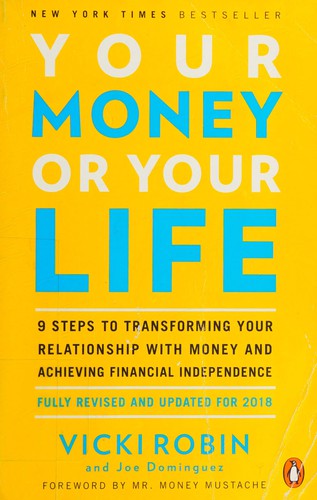
- Your Money or Your Life
01
Vicki Robin · Self-help
Your Money or Your Life is Vicki Robin and Joe Dominguez's argument that money is something we trade our life energy for, and that most people in modern consumer society have made that trade without ever stopping to examine the terms.
Shares financial independence and frugality with Early Retirement Extreme.
Read the summary → - Set for Life
02
Scott Trench · Economics
Set for Life is Scott Trench's guide to early financial independence targeted at people in the early stages of their careers who are willing to make aggressive choices about spending, housing, and income.
Shares financial independence and frugality with Early Retirement Extreme.
Read the summary → - The Simple Path to Wealth
03
JL Collins · Self-help
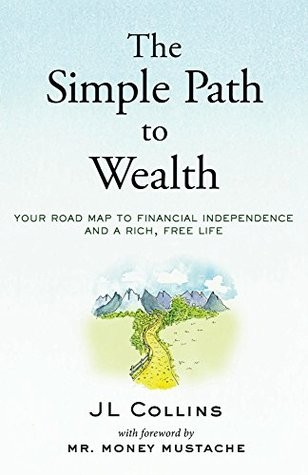
The Simple Path to Wealth is JL Collins's guide to building wealth and financial independence through a deliberately simple investment approach, originally written as a series of letters to his daughter.
Both dig into financial independence.
Read the summary →
- Die with Zero
04
Bill Perkins · Self-help
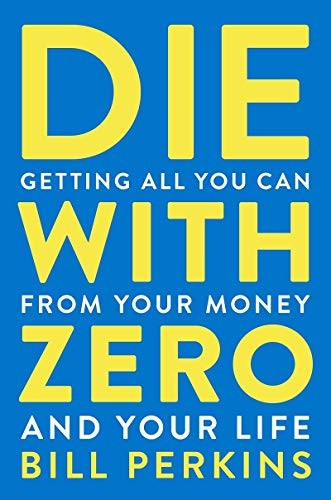
Die with Zero is Bill Perkins's argument that most people with means make a significant life mistake: they optimize for financial security and end up dying with far more money than they ever spent, having failed to convert accumulated wealth into meaningful experiences at the age when those experiences are most valuable.
A kindred economics read.
Read the summary → - Quit Like a Millionaire
05
Kristy Shen · Economics
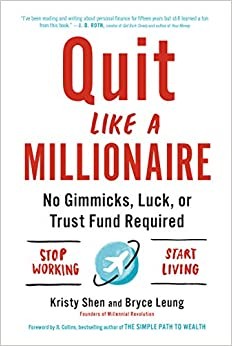
Quit Like a Millionaire is Kristy Shen and Bryce Leung's account of how they retired in their early thirties with a million-dollar portfolio assembled on middle-class incomes — and the mathematical framework that let them do it.
Shares financial independence and frugality with Early Retirement Extreme.
Read the summary → - The Millionaire Next Door
06
Thomas J. Stanley · Economics
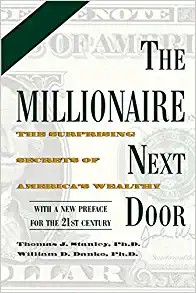
The Millionaire Next Door is Thomas Stanley and William Danko's report on a decade of research into who actually has wealth in America, and their findings are consistently surprising.
Shares financial independence and frugality with Early Retirement Extreme.
Read the summary → - Work Optional
07
Tanja Hester · Economics
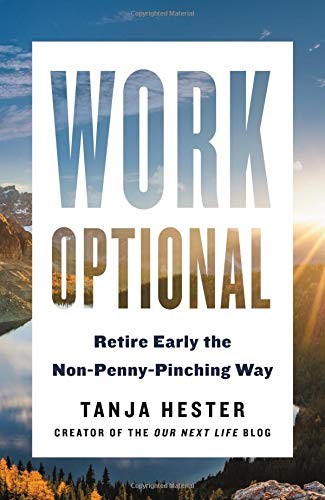
Work Optional is Tanja Hester's guide to retiring early or achieving a work-optional life — one where paid employment is a choice rather than a necessity.
Shares financial independence and early retirement with Early Retirement Extreme.
Read the summary → - The Millionaire Teacher
08
Andrew Hallam · Self-help
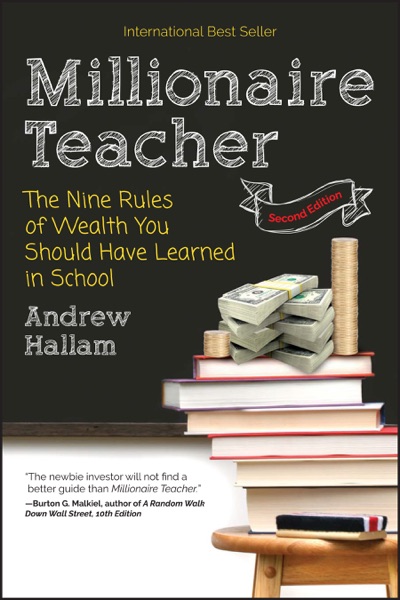
The Millionaire Teacher is Andrew Hallam's account of how he became a millionaire on a teacher's salary in his thirties by following nine rules of wealth that combine frugality, index fund investing, and psychological discipline.
Shares financial independence and frugality with Early Retirement Extreme.
Read the summary → - The Next Millionaire Next Door
09
The Next Millionaire Next Door
Sarah Stanley Fallaw · Business
The Next Millionaire Next Door is Sarah Stanley Fallaw's update of the research her late father Thomas Stanley began with The Millionaire Next Door in 1996.
Shares financial independence and frugality with Early Retirement Extreme.
Read the summary → - The Wealthy Barber
10
David Chilton · Self-help
The Wealthy Barber is David Chilton's personal finance classic structured as a novel.
Shares financial independence and frugality with Early Retirement Extreme.
Read the summary → - Millionaire by Thirty
11
Douglas R. Andrew · Economics
Millionaire by Thirty is Douglas R.
Both dig into financial independence.
Read the summary → - The Coffeehouse Investor
12
Bill Schultheis · Economics
The Coffeehouse Investor is Bill Schultheis's short case for doing almost nothing with your money.
Both dig into financial independence.
Read the summary →
Books like Early Retirement Extreme: quick answers
What are the best books like Early Retirement Extreme?
The best books like Early Retirement Extreme by Jacob Lund Fisker are Your Money or Your Life by Vicki Robin, Set for Life by Scott Trench, The Simple Path to Wealth by JL Collins, Die with Zero by Bill Perkins, Quit Like a Millionaire by Kristy Shen, plus 7 more below. Each was chosen for themes it shares with Early Retirement Extreme, such as financial independence, frugality, systems thinking.
What should I read after Early Retirement Extreme?
A natural next read after Early Retirement Extreme is Your Money or Your Life by Vicki Robin. Shares financial independence and frugality with Early Retirement Extreme. Other strong choices are Set for Life by Scott Trench, The Simple Path to Wealth by JL Collins, Die with Zero by Bill Perkins.
What books are similar to Early Retirement Extreme by Jacob Lund Fisker?
Early Retirement Extreme centers on financial independence, frugality, systems thinking. Books with a similar feel include Your Money or Your Life by Vicki Robin, Set for Life by Scott Trench, The Simple Path to Wealth by JL Collins, Die with Zero by Bill Perkins, Quit Like a Millionaire by Kristy Shen, The Millionaire Next Door by Thomas J. Stanley — all free to read and chat with on Superbook.
