Science · Similar reads
Books like Enlightenment Now
The best books like Enlightenment Now are The Better Angels of Our Nature, Sapiens: A Brief History of Humankind, and Homo Deus: A Brief History of Tomorrow. Enlightenment Now by Steven Pinker is about progress, reason, humanism. If that's what drew you in, here are 12 books that share its DNA — each summarized on Superbook, and ready to chat with in the app.
- The Better Angels of Our Nature
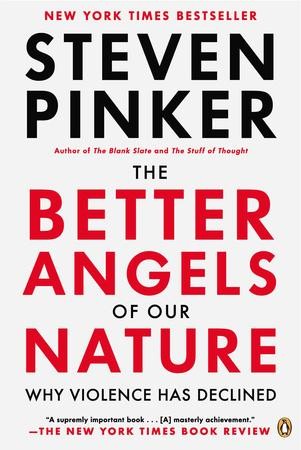
01
The Better Angels of Our Nature
Steven Pinker · Science
The Better Angels of Our Nature is Steven Pinker's argument, supported by extensive historical and statistical data, that human violence has declined dramatically over long time periods and that this decline is real, not an artifact of reporting or perception.
A kindred science read.
Read the summary → - Sapiens: A Brief History of Humankind
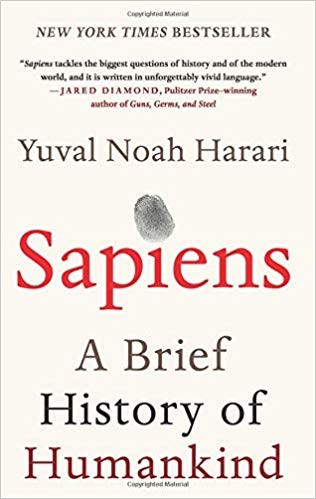
02
Sapiens: A Brief History of Humankind
Yuval Noah Harari · History
Sapiens traces the full arc of human history from the emergence of Homo sapiens in Africa roughly 70,000 years ago to the present.
A kindred science read.
Read the summary → - Homo Deus: A Brief History of Tomorrow
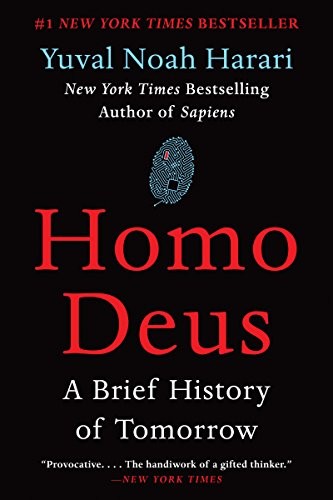
03
Homo Deus: A Brief History of Tomorrow
Yuval Noah Harari · History
Homo Deus picks up where Sapiens left off, but turns to face the other direction.
A kindred science read.
Read the summary →
- The Second Machine Age
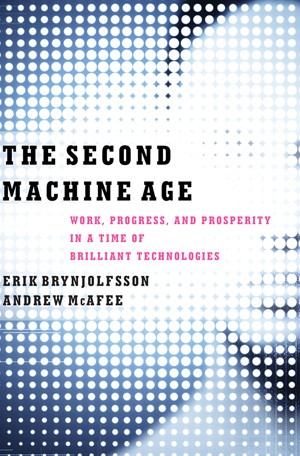
04
Erik Brynjolfsson and Andrew McAfee · Economics
The Second Machine Age is Erik Brynjolfsson and Andrew McAfee's argument that digital technology has entered a qualitatively new phase — one in which machines can perform cognitive tasks previously reserved for humans, creating economic disruption and opportunity simultaneously.
A kindred science read.
Read the summary → - How the Mind Works
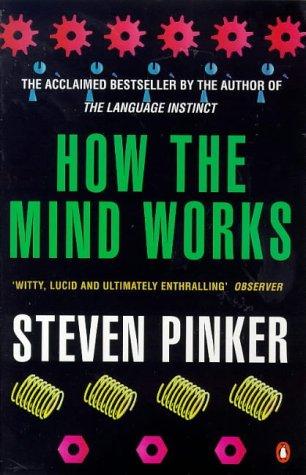
05
Steven Pinker · Science
How the Mind Works is Steven Pinker's synthesis of cognitive science and evolutionary psychology, built around a central thesis: the mind is a computational system — a neural computer — shaped by natural selection to solve the adaptive problems that faced our ancestors on the Pleistocene savanna.
A kindred science read.
Read the summary → - Civilized to Death
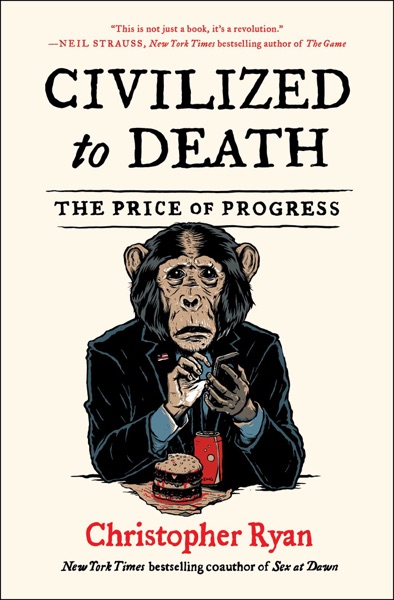
06
Christopher Ryan · Science
Christopher Ryan is the co-author of Sex at Dawn, a 2010 book that argued human beings are not naturally monogamous.
Both dig into progress.
Read the summary → - The Emperor of All Maladies: A Biography of Cancer
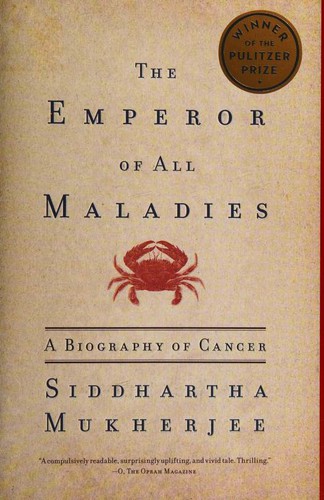
07
The Emperor of All Maladies: A Biography of Cancer
Siddhartha Mukherjee · Science
The Emperor of All Maladies is Siddhartha Mukherjee's account of cancer from antiquity to the present — its biology, its treatments, its false dawns, and the scientists and patients caught in the middle of each.
Both dig into science.
Read the summary → - Where Is My Flying Car?

- American Moonshot
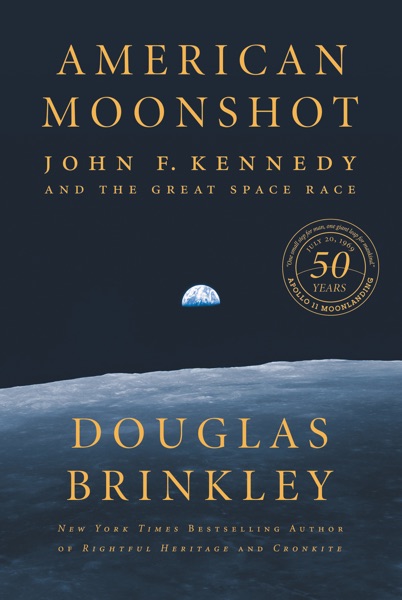
09
Douglas Brinkley · History
Douglas Brinkley's American Moonshot focuses less on the engineering triumph of Apollo 11 than on the political decision that made it possible: John F.
Both dig into science.
Read the summary → - American Prometheus
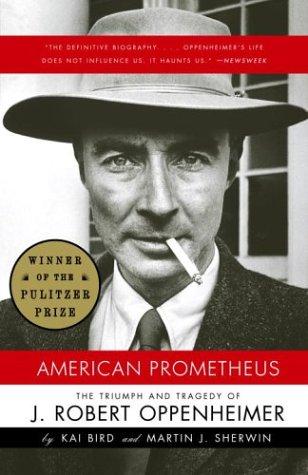
10
Kai Bird and Martin J. Sherwin · Biography
Kai Bird and Martin J.
Both dig into science.
Read the summary → - Critique of Pure Reason
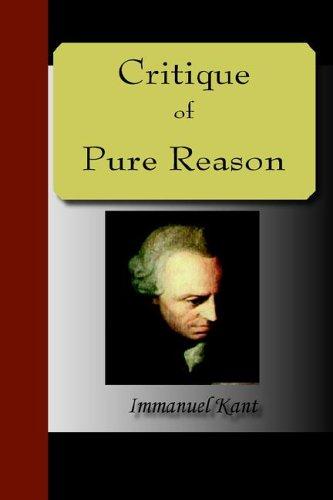
11
Immanuel Kant · Philosophy
The Critique of Pure Reason is Kant's attempt to resolve a crisis in 18th-century philosophy by asking what human reason can and cannot know.
Both dig into reason.
Read the summary → - Discourse on the Method

12
René Descartes · Philosophy
The Discourse on the Method is Descartes' intellectual autobiography and the founding document of modern Western philosophy.
Both dig into reason.
Read the summary →
Books like Enlightenment Now: quick answers
What are the best books like Enlightenment Now?
The best books like Enlightenment Now by Steven Pinker are The Better Angels of Our Nature by Steven Pinker, Sapiens: A Brief History of Humankind by Yuval Noah Harari, Homo Deus: A Brief History of Tomorrow by Yuval Noah Harari, The Second Machine Age by Erik Brynjolfsson and Andrew McAfee, How the Mind Works by Steven Pinker, plus 7 more below. Each was chosen for themes it shares with Enlightenment Now, such as progress, reason, humanism.
What should I read after Enlightenment Now?
A natural next read after Enlightenment Now is The Better Angels of Our Nature by Steven Pinker. A kindred science read. Other strong choices are Sapiens: A Brief History of Humankind by Yuval Noah Harari, Homo Deus: A Brief History of Tomorrow by Yuval Noah Harari, The Second Machine Age by Erik Brynjolfsson and Andrew McAfee.
What books are similar to Enlightenment Now by Steven Pinker?
Enlightenment Now centers on progress, reason, humanism. Books with a similar feel include The Better Angels of Our Nature by Steven Pinker, Sapiens: A Brief History of Humankind by Yuval Noah Harari, Homo Deus: A Brief History of Tomorrow by Yuval Noah Harari, The Second Machine Age by Erik Brynjolfsson and Andrew McAfee, How the Mind Works by Steven Pinker, Civilized to Death by Christopher Ryan — all free to read and chat with on Superbook.
