Science · Similar reads
Books like How the Mind Works
The best books like How the Mind Works are The Language Instinct, The Better Angels of Our Nature, and The Righteous Mind: Why Good People Are Divided by Politics and Religion. How the Mind Works by Steven Pinker is about cognition, evolutionary psychology, perception. If that's what drew you in, here are 12 books that share its DNA — each summarized on Superbook, and ready to chat with in the app.
- The Language Instinct
01
Steven Pinker · Science
The Language Instinct is Steven Pinker's argument that language is not a cultural invention but a biological instinct — a specialized module in the human brain that evolved by natural selection, much as the eye evolved to see or the hand evolved to grasp.
Both dig into cognition.
Read the summary → - The Better Angels of Our Nature
02
The Better Angels of Our Nature
Steven Pinker · Science
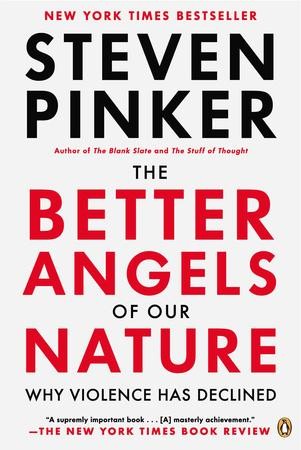
The Better Angels of Our Nature is Steven Pinker's argument, supported by extensive historical and statistical data, that human violence has declined dramatically over long time periods and that this decline is real, not an artifact of reporting or perception.
A kindred science read.
Read the summary → - The Righteous Mind: Why Good People Are Divided by Politics and Religion
03
The Righteous Mind: Why Good People Are Divided by Politics and Religion
Jonathan Haidt · Psychology
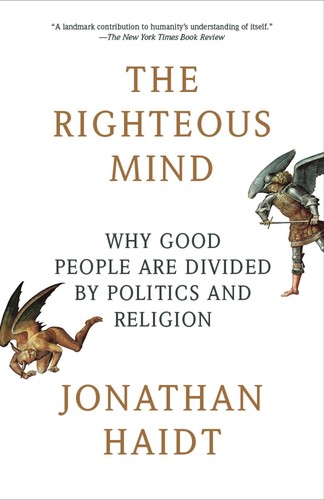
The Righteous Mind is Jonathan Haidt's argument that moral reasoning is not the source of our moral judgments — it's the press secretary for them.
A kindred science read.
Read the summary →
- Thinking, Fast and Slow
04
Daniel Kahneman · Psychology
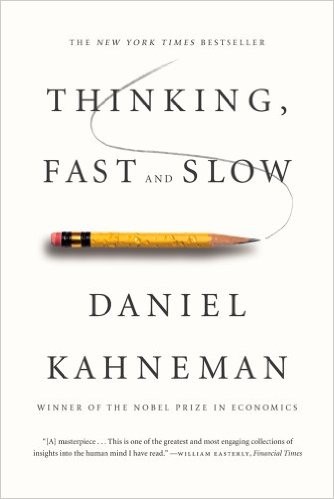
Thinking, Fast and Slow is Daniel Kahneman's account of the two cognitive systems that govern human thought.
A kindred science read.
Read the summary → - Behave: The Biology of Humans at Our Best and Worst
05
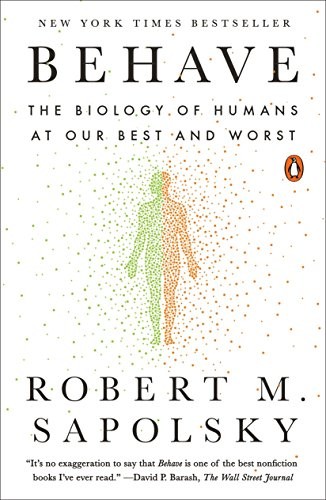
Behave: The Biology of Humans at Our Best and Worst
Robert M. Sapolsky · Science
Behave is Robert Sapolsky's attempt to explain why humans do what they do — the violence, the altruism, the tribalism, the heroism — by working through every layer of biology that contributes to a single act.
A kindred science read.
Read the summary → - This Is Your Brain on Music: The Science of a Human Obsession
06
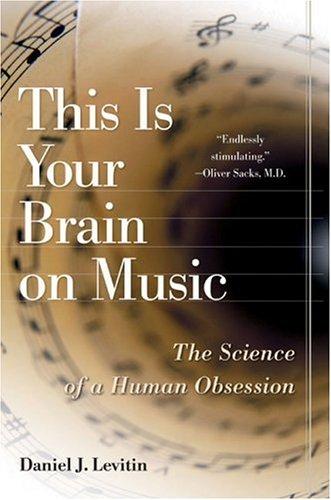
This Is Your Brain on Music: The Science of a Human Obsession
Daniel J. Levitin · Science
Daniel Levitin came to neuroscience from the music industry — he was a record producer who worked with Stevie Wonder, the Grateful Dead, and Blue Öyster Cult before getting a PhD in psychology and cognitive neuroscience.
Shares evolutionary psychology and perception with How the Mind Works.
Read the summary → - The Dragons of Eden
07
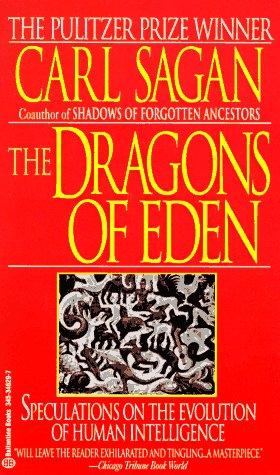
Carl Sagan · Science
The Dragons of Eden, which won the Pulitzer Prize for General Nonfiction in 1978, is Carl Sagan's exploration of the evolution and nature of human intelligence.
Shares cognition and consciousness with How the Mind Works.
Read the summary → - The Tell-Tale Brain: A Neuroscientist's Quest for What Makes Us Human
08
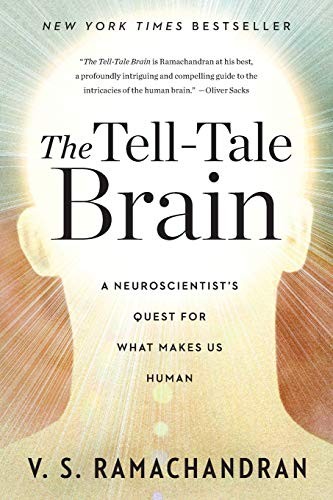
The Tell-Tale Brain: A Neuroscientist's Quest for What Makes Us Human
V. S. Ramachandran · Science
The Tell-Tale Brain is V.
Shares perception and consciousness with How the Mind Works.
Read the summary → - Consciousness Explained
09
Daniel C. Dennett · Philosophy
Consciousness Explained is Daniel Dennett's attempt to replace what he calls the Cartesian Theater — the intuitive picture of consciousness as a single unified stream of experience observed by a self — with a model he calls Multiple Drafts.
Shares cognition and consciousness with How the Mind Works.
Read the summary → - Phantoms in the Brain: Probing the Mysteries of the Human Mind
10
Phantoms in the Brain: Probing the Mysteries of the Human Mind
V. S. Ramachandran and Sandra Blakeslee · Psychology
V.
Shares perception and consciousness with How the Mind Works.
Read the summary → - Why Buddhism Is True
11
Robert Wright · Religion & Spirituality
Why Buddhism Is True is Robert Wright's argument that modern evolutionary psychology and neuroscience provide independent confirmation for core Buddhist claims about the mind, suffering, and the nature of the self.
Shares evolutionary psychology and consciousness with How the Mind Works.
Read the summary → - Entangled Life: How Fungi Make Our Worlds, Change Our Minds and Shape Our Futures
12
Entangled Life: How Fungi Make Our Worlds, Change Our Minds and Shape Our Futures
Merlin Sheldrake · Science
Merlin Sheldrake is a biologist who has spent his career studying fungi, and Entangled Life is his account of what fungi are, what they do, and why most people who think they know something about the natural world understand almost nothing about this kingdom of life.
Both dig into consciousness.
Read the summary →
Books like How the Mind Works: quick answers
What are the best books like How the Mind Works?
The best books like How the Mind Works by Steven Pinker are The Language Instinct by Steven Pinker, The Better Angels of Our Nature by Steven Pinker, The Righteous Mind: Why Good People Are Divided by Politics and Religion by Jonathan Haidt, Thinking, Fast and Slow by Daniel Kahneman, Behave: The Biology of Humans at Our Best and Worst by Robert M. Sapolsky, plus 7 more below. Each was chosen for themes it shares with How the Mind Works, such as cognition, evolutionary psychology, perception.
What should I read after How the Mind Works?
A natural next read after How the Mind Works is The Language Instinct by Steven Pinker. Both dig into cognition. Other strong choices are The Better Angels of Our Nature by Steven Pinker, The Righteous Mind: Why Good People Are Divided by Politics and Religion by Jonathan Haidt, Thinking, Fast and Slow by Daniel Kahneman.
What books are similar to How the Mind Works by Steven Pinker?
How the Mind Works centers on cognition, evolutionary psychology, perception. Books with a similar feel include The Language Instinct by Steven Pinker, The Better Angels of Our Nature by Steven Pinker, The Righteous Mind: Why Good People Are Divided by Politics and Religion by Jonathan Haidt, Thinking, Fast and Slow by Daniel Kahneman, Behave: The Biology of Humans at Our Best and Worst by Robert M. Sapolsky, This Is Your Brain on Music: The Science of a Human Obsession by Daniel J. Levitin — all free to read and chat with on Superbook.
