In Defense of Food by Michael Pollan is a 2008 health book about nutrition, food politics, eating culture. The Western diet — high in processed foods, refined grains, and industrial fats — causes a cluster of chronic diseases that are rare in populations eating traditional diets.
Summary
In Defense of Food opens with seven words that amount to a quiet provocation: Eat food. Not too much. Mostly plants. Pollan's argument is that Western nutritional science has made eating more complicated and less healthy at the same time. By reducing food to its constituent nutrients — vitamins, fats, carbohydrates — and then optimizing for those components in isolation, the food industry and nutrition researchers have produced a diet that is technically sophisticated and practically disastrous.
Pollan calls this ideology "nutritionism," and he traces its origins to the late nineteenth century and its dominance to the 1977 U.S. dietary guidelines. Nutritionism creates a perverse logic: food has to justify itself by its nutrient profile, which means real food (an apple, a carrot) competes on unequal terms with engineered products that can fortify anything. It also means that every decade brings a new villain — fat, then carbohydrates, then saturated fat — as researchers chase single-nutrient explanations for complex dietary diseases.
The middle section of the book is a rigorous critique of the science itself. Pollan argues that nutritional epidemiology is structurally weak: it relies on food-frequency questionnaires, struggles with confounding variables, and cannot run the controlled trials that would settle its questions. He examines the Women's Health Initiative, a massive dietary study that found no benefit from low-fat diets after years of public promotion, and uses it to illustrate how confident nutritional recommendations can rest on shaky foundations.
The last section is prescriptive. Pollan's rules are deliberately old-fashioned: eat what your great-grandmother would recognize as food, avoid products with more than five ingredients or ingredients you cannot pronounce, eat meals at a table, and pay more for better food so you eat less of it. He advocates for traditional dietary cultures — Mediterranean, Japanese, French — not because any one of them is scientifically optimal but because all of them predate nutritionism and all produce healthier populations than the standard Western diet. The argument throughout is that the wisdom embedded in food cultures is more trustworthy than the latest randomized trial.
Talk to In Defense of Food like its author wrote you back.
Get the ideas that fit your life — not generic summaries.
- Chat with the book
- Audiobook-style main ideas
- Adapts to your life and goals
- Helps you take action
Key takeaways
- 1.
The Western diet — high in processed foods, refined grains, and industrial fats — causes a cluster of chronic diseases that are rare in populations eating traditional diets.
- 2.
Nutritionism reduces food to nutrients and creates a science that can be captured by food manufacturers to sell engineered products as healthy.
- 3.
Nutritional epidemiology is structurally unreliable: it cannot establish causation, relies on self-reported intake data, and is subject to the same reductionist ideology it claims to test.
- 4.
Traditional food cultures are better guides to healthy eating than nutritional science, because they encode centuries of practical wisdom rather than single-variable research.
- 5.
Eat food. Not too much. Mostly plants. Each clause carries weight: real food over processed, moderate quantity, and plant foods as the foundation.
- 6.
The French paradox dissolves when you examine the French relationship with food: smaller portions, longer meals, real ingredients, no snacking between meals.
- 7.
Pay more, eat less: the industrial food system produces cheap calories, but paying more for quality food tends to bring higher quality and smaller portions together.
- 8.
Food marketing and health claims are inversely correlated — the healthiest foods (fruits, vegetables, meat) make no health claims because they need no packaging.
Discussion questions
Use these on your own, with a book club, or as chat starters in Superbook. Book club version, ready to copy or print →
- 1.
Pollan's core argument is that nutritionism has made us eat worse. Do you see evidence of that in your own relationship with food over time?
- 2.
Which food 'villain' — fat, carbs, sugar, gluten — have you avoided at some point based on nutritional advice? Looking back, was the advice sound?
- 3.
Pollan says to eat what your great-grandmother would recognize as food. What would she make of your typical grocery cart?
- 4.
He argues that traditional food cultures are more reliable than nutritional science. Does that feel liberating, or does it make you uneasy about what we might be missing scientifically?
- 5.
The book points out that the healthiest foods make no health claims. How does that square with how you navigate the supermarket today?
- 6.
Pollan advocates paying more for food and eating less. What would have to change in your life — economically, culturally — for that to be a realistic approach?
- 7.
How much of your eating happens at a table, as a meal, without screens? What would it take to change that ratio?
- 8.
The Women's Health Initiative found no benefit from a low-fat diet after decades of public health campaigns promoting it. What does that suggest about how much confidence to place in current dietary guidelines?
- 9.
Which traditional food culture do you find most appealing as a model, and what specifically about it seems worth adopting?
- 10.
Pollan distinguishes between food and 'edible food-like substances.' Where do you draw that line in practice?
- 11.
He argues the dinner table is a cultural institution, not just a place to refuel. What did meals look like in your family growing up, and how has that shaped your current eating?
- 12.
If nutritionism is an ideology, who benefits from it? Who are the interested parties that might want us thinking about nutrients rather than food?
Themes
Frequently asked questions
-
Is In Defense of Food worth reading?
Yes, particularly if you feel overwhelmed by conflicting nutritional advice. The book's strength is stepping back from specific dietary claims to question the framework of nutritional science itself. It won't tell you exactly what to eat, but it will give you a more skeptical and historically grounded way of thinking about what you choose.
-
What is the main argument of In Defense of Food?
That nutritional science has failed to improve Western health because it reduces food to nutrients, creates a revolving door of dietary villains, and ignores the accumulated wisdom of traditional food cultures. Pollan argues we should eat real food in moderate amounts, mostly plants, in the manner of any traditional diet rather than following the latest nutritional guidelines.
-
How does In Defense of Food differ from The Omnivore's Dilemma?
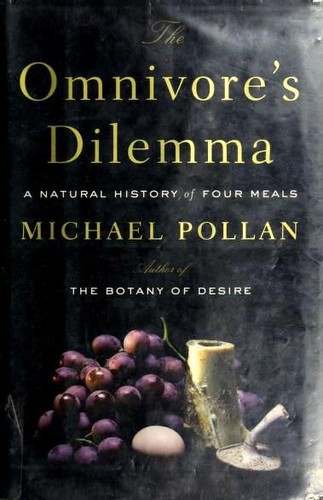
The Omnivore's Dilemma is a deep investigation of food systems — where food comes from and what that means for the environment and animal welfare. In Defense of Food is narrower: it focuses on what we should eat and why mainstream nutritional advice has made that question harder rather than easier to answer.
-
Who should read In Defense of Food?
Anyone who has found themselves confused or anxious about eating — cycling through low-fat, low-carb, gluten-free, or other regimes. Also useful for anyone interested in the sociology and politics of dietary science. Less useful if you want a specific meal plan or macros.
-
What are Pollan's actual rules for eating?
The seven-word summary — eat food, not too much, mostly plants — breaks down to practical rules: eat what your great-grandmother would recognize, avoid foods with more than five ingredients, don't eat anything that doesn't eventually rot, eat meals not snacks, and stop eating before you're full.