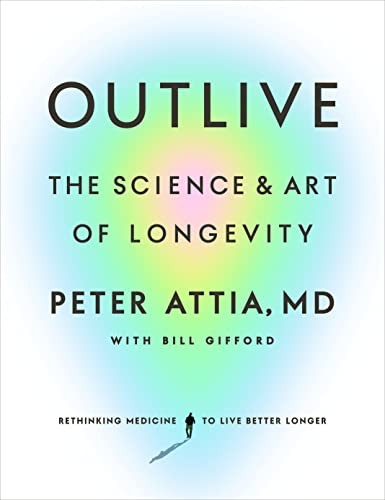
Outlive: The Science and Art of Longevity by Peter Attia is a 2023 health book about longevity, preventive medicine, exercise. Medicine 3.0 focuses on preventing the Four Horsemen — heart disease, cancer, neurodegeneration, and metabolic dysfunction — decades before symptoms appear, rather than treating them once they arrive.
Summary
Peter Attia's Outlive is a book about how most people approach longevity backwards. They think about not dying from disease when they should be thinking about how well they want to live at seventy, eighty, and ninety — and working backward from that picture. Attia calls this the difference between Medicine 2.0, which reacts to illness once it appears, and Medicine 3.0, which tries to prevent it decades before symptoms show up. The gap between these two frameworks is where most premature death and disability live. He opens with a striking observation: the risk calculators medicine uses to evaluate cardiovascular health are mostly calibrated to prevent death in the next ten years, which is far too short a time horizon for a fifty-year-old who still has three or four decades ahead of them.
The book's backbone is what Attia calls the Four Horsemen: heart disease, cancer, Alzheimer's and other neurodegenerative diseases, and metabolic dysfunction. These four conditions kill or disable the vast majority of people who die before they should, and Attia argues that all of them share deep risk factors — insulin resistance, chronic inflammation, elevated ApoB — that are measurable and modifiable long before a diagnosis arrives. He draws on primary research and his own clinical practice to explain what the evidence actually says, including where it diverges from standard-of-care advice. The chapter on cardiovascular disease alone rewards careful reading for anyone who has been told their standard lipid panel looks acceptable.
The second half is organized around what Attia calls the five tactical domains: exercise, nutrition, sleep, emotional health, and exogenous molecules. Exercise gets the longest treatment and the most emphatic case. Attia argues that VO2 max and muscle mass are the two strongest predictors of longevity that most people completely ignore, and that most exercise choices optimize neither. He describes what he calls the Centenarian Decathlon — picking the physical tasks you want to still be performing at eighty or eighty-five and then training backward from them today. On nutrition he is deliberately agnostic about any single dietary ideology, focusing instead on protein adequacy and avoiding the metabolic dysfunction that precedes most chronic disease. The chapters on sleep and emotional health feel genuinely essential rather than included out of obligation.
The emotional health section is worth calling out separately. Attia describes his own admission to a psychiatric intensive outpatient program and the toll that years of driven, achievement-focused behavior took on his relationships and sense of self. It is the most personal section of the book and, for many readers, the most memorable — a reminder that lifespan and healthspan both depend on more than biomarkers. Outlive is long, and the chapters on lipid biochemistry and mTOR signaling require patience from readers without a science background. But the core message is accessible and, for most people, genuinely actionable: the biggest lever on how long and how well you live is almost certainly not your genetics or your access to advanced medical care. It is what you do with your body and mind in the decades before anything goes wrong.
Talk to Outlive: The Science and Art of Longevity like its author wrote you back.
Get the ideas that fit your life — not generic summaries.
- Chat with the book
- Audiobook-style main ideas
- Adapts to your life and goals
- Helps you take action
Key takeaways
- 1.
Medicine 3.0 focuses on preventing the Four Horsemen — heart disease, cancer, neurodegeneration, and metabolic dysfunction — decades before symptoms appear, rather than treating them once they arrive.
- 2.
ApoB, not total LDL cholesterol, is the most important lipid marker for cardiovascular risk. Standard lipid panels miss high-risk patients whose ApoB is elevated while LDL looks normal.
- 3.
VO2 max is the single strongest predictor of all-cause mortality Attia identifies. A person in the bottom quartile has roughly five times the mortality risk of someone in the top quartile.
- 4.
Muscle mass and strength matter as much as cardiovascular fitness for longevity. Sarcopenia — muscle loss with age — accelerates nearly every decline associated with aging.
- 5.
The Centenarian Decathlon: decide what physical tasks you want to perform at eighty-five, then train backward from those goals today rather than optimizing for generic fitness markers.
- 6.
Insulin resistance is the root cause of metabolic dysfunction and a risk amplifier for heart disease, cancer, and Alzheimer's. It is detectable years before a diabetes diagnosis using fasting insulin and glucose tolerance testing.
- 7.
Sleep is not optional maintenance — it is when the brain clears metabolic waste through the glymphatic system. Chronic sleep restriction accelerates cognitive aging.
- 8.
Emotional health is as important as physical health for both lifespan and healthspan. Attia's chapter on his own psychological work is among the most honest self-disclosures in popular health writing.
- 9.
Zone 2 aerobic training — steady effort you can hold for an hour — builds mitochondrial density and metabolic flexibility in ways that interval training alone cannot replicate.
Discussion questions
Use these on your own, with a book club, or as chat starters in Superbook. Book club version, ready to copy or print →
- 1.
Attia distinguishes Medicine 2.0 from Medicine 3.0. Does your current approach to healthcare resemble one more than the other?
- 2.
The Centenarian Decathlon asks you to reverse-engineer your training from a picture of yourself at eighty-five. What would your ten physical tasks be?
- 3.
Attia argues that VO2 max is more predictive of longevity than almost anything else, yet most people never measure it. What does it mean to optimize for something you have never measured?
- 4.
The book makes a strong case for prioritizing muscle mass as you age. How does that change how you think about the exercise choices you currently make?
- 5.
Attia spends a chapter on insulin resistance as a root cause of multiple diseases. Were there signs in your own health history you would interpret differently after reading this?
- 6.
He argues that standard lipid panels miss many high-risk people. How much do you trust the routine screening you have received, and what would you ask for differently now?
- 7.
The emotional health section is unexpectedly personal. Why do you think Attia included it, and did it change how you read the rest of the book?
- 8.
Outlive treats sleep as a non-negotiable. What in your current life is most consistently competing with your sleep, and is it worth that tradeoff?
- 9.
The book is long and sometimes dense. Did that density make you trust it more, or did it feel like a barrier? What does that reveal about how you evaluate health information?
- 10.
Attia is honest that his recommendations can be demanding and not accessible to everyone. Who does this book assume as its reader, and does that assumption apply to you?
- 11.
The concept of healthspan — years lived well, not just alive — changes what you are optimizing for. What would you change if you focused on being functional at eighty-five rather than simply reaching it?
- 12.
Which of the tactical domains — exercise, nutrition, sleep, emotional health — do you think you are most underinvesting in? What would a concrete first step look like?
Themes
Frequently asked questions
-
Is Outlive worth reading?
Yes, especially for readers in their thirties, forties, or fifties who want a rigorous framework for making health decisions before chronic disease appears. The science is well-sourced and Attia is honest about uncertainty and tradeoffs. Readers looking for a quick checklist will find it overwhelming; readers willing to engage with the evidence will find it rewarding.
-
How long does it take to read Outlive?
Around eight to nine hours at average reading pace for the roughly 500-page book. The chapters vary considerably in density: the exercise and emotional health sections read quickly, while the chapters on cancer biology and lipid metabolism are slower. Most readers spread it over two to three weeks.
-
What are the Four Horsemen in Outlive?
The four leading causes of death and disability that Attia focuses on: cardiovascular disease, cancer, Alzheimer's and neurodegenerative disease, and metabolic dysfunction. He argues these share modifiable risk factors that can be addressed decades before a diagnosis.
-
What is the Centenarian Decathlon?
A planning exercise Attia recommends: pick ten physical tasks you want to still be able to perform at eighty-five, then determine what physical capacity you need today to ensure that. The goal is to make your future self the target of your training, not an abstract version of fitness.
-
Who should read Outlive?
Anyone who wants to make evidence-based decisions about long-term health and is willing to engage with the science behind them. It is most useful for people in midlife who have not yet been diagnosed with a major chronic disease but are thinking seriously about prevention. It is less useful as a crisis-management guide for people already dealing with serious illness.
-
What is the difference between lifespan and healthspan in Outlive?
Lifespan is how long you live; healthspan is how many of those years you spend in good physical and cognitive health. Attia's central argument is that most medical thinking optimizes for the former while neglecting the latter, and that the two require different strategies.
Similar books
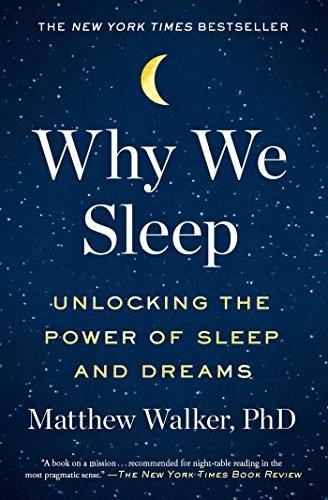
Why We Sleep
Matthew Walker
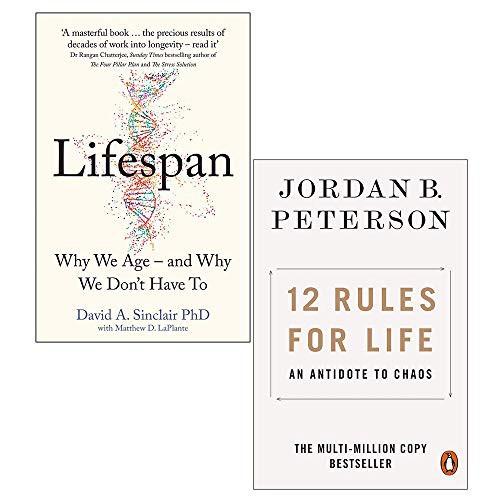
Lifespan: Why We Age—and Why We Don't Have To
David A. Sinclair
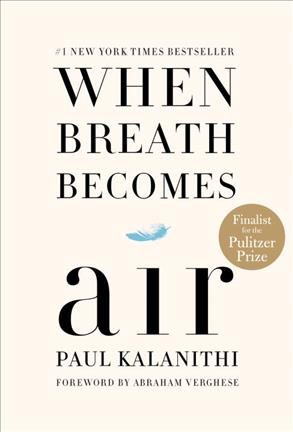
When Breath Becomes Air
Paul Kalanithi
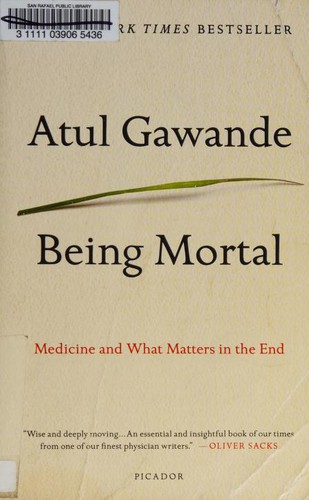
Being Mortal: Medicine and What Matters in the End
Atul Gawande
