Science · Similar reads
Books like Peak: Secrets from the New Science of Expertise
The best books like Peak: Secrets from the New Science of Expertise are Ultralearning, The Talent Code, and Grit: The Power of Passion and Perseverance. Peak: Secrets from the New Science of Expertise by Anders Ericsson and Robert Pool is about deliberate practice, expertise, mastery. If that's what drew you in, here are 12 books that share its DNA — each summarized on Superbook, and ready to chat with in the app.
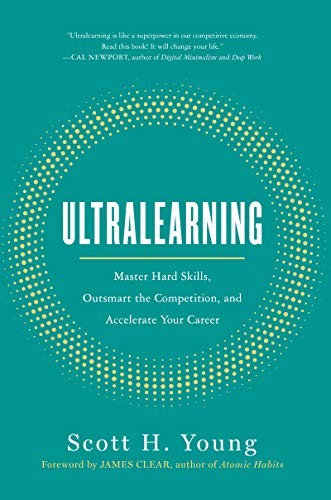
- Ultralearning
01
Scott Young · Self-help
Ultralearning is Scott Young's synthesis of principles drawn from his own extreme learning projects — completing MIT's four-year computer science curriculum in one year, learning four languages in a year, and other aggressive self-directed learning experiments — and from the academic research on skill acquisition and deliberate practice.
Shares deliberate practice and mastery with Peak: Secrets from the New Science of Expertise.
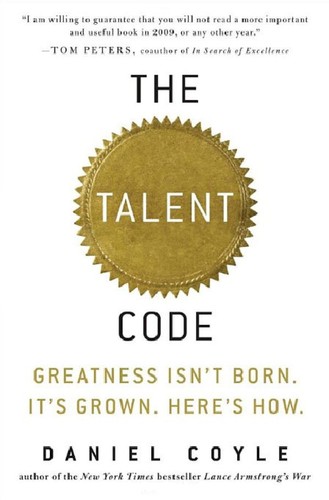
Read the summary → - The Talent Code
02
Daniel Coyle · Science
The Talent Code is Daniel Coyle's investigation into why certain places — a tennis academy in Russia, a soccer training ground in Brazil, a music conservatory in Texas — produce a disproportionate number of world-class performers.
Shares deliberate practice and skill acquisition with Peak: Secrets from the New Science of Expertise.
Read the summary → - Grit: The Power of Passion and Perseverance
03
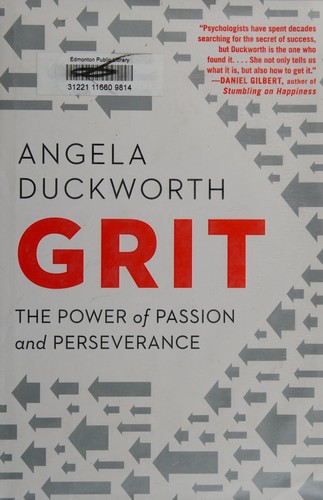
Grit: The Power of Passion and Perseverance
Angela Duckworth · Psychology
Duckworth's central claim is that talent is overrated.
Both dig into deliberate practice.
Read the summary →
- Mastery
04
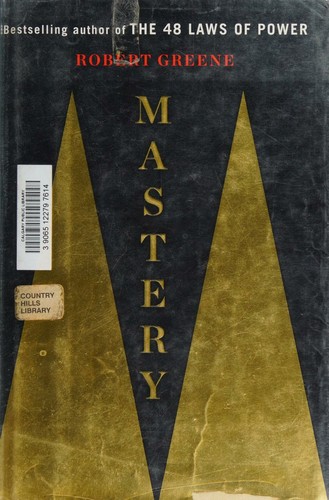
Robert Greene · Self-help
Mastery is Robert Greene's long account of how extraordinary human mastery develops — from childhood inclinations through apprenticeship through creative independence to the integration that characterizes true mastery.
Shares mastery and learning with Peak: Secrets from the New Science of Expertise.
Read the summary → - Outliers: The Story of Success
05
Outliers: The Story of Success
Malcolm Gladwell · Psychology
Outliers is Malcolm Gladwell's argument that exceptional success is less a product of individual genius or drive than it is of hidden advantages, timing, and accumulated opportunity.
A kindred science read.
Read the summary → - The First 20 Hours
06
Josh Kaufman · Self-help
The First 20 Hours makes a sharp distinction that most books on learning quietly ignore: the difference between becoming competent at a skill and becoming world-class at one.
Shares deliberate practice and skill acquisition with Peak: Secrets from the New Science of Expertise.
Read the summary → - Make It Stick
07
Peter C. Brown, Henry L. Roediger and Mark A. McDaniel · Science
Make It Stick is a book about how memory actually works, and why the study techniques most people rely on — re-reading, highlighting, massed practice — are among the least effective ways to learn.
Shares skill acquisition and learning with Peak: Secrets from the New Science of Expertise.
Read the summary → - Moonwalking with Einstein
08
Joshua Foer · Science
Moonwalking with Einstein is Joshua Foer's account of spending a year training for and winning the United States Memory Championship, beginning as a journalist covering the event and ending as its champion.
Shares expertise and learning with Peak: Secrets from the New Science of Expertise.
Read the summary → - Range: Why Generalists Triumph in a Specialized World
09
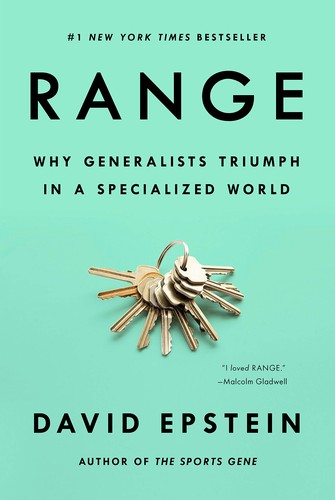
Range: Why Generalists Triumph in a Specialized World
David Epstein · Science
Range is David Epstein's argument against the ten-thousand-hours gospel.
Shares expertise and learning with Peak: Secrets from the New Science of Expertise.
Read the summary → - So Good They Can't Ignore You
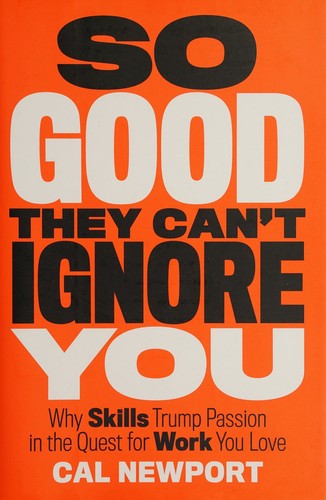
10
Cal Newport · Self-help
So Good They Can't Ignore You is Newport's direct challenge to "follow your passion" as career advice.
Shares deliberate practice and mastery with Peak: Secrets from the New Science of Expertise.
Read the summary → - The Art of Learning
11
Josh Waitzkin · Self-help
The Art of Learning is Josh Waitzkin's account of how he became a national chess champion as a child and later a world-champion martial artist, and what those two very different disciplines taught him about the structure of high performance.
Shares mastery and learning with Peak: Secrets from the New Science of Expertise.
Read the summary → - The Little Book of Talent
12
Daniel Coyle · Self-help
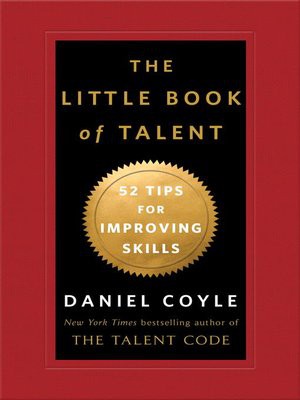
The Little Book of Talent is Daniel Coyle's condensed follow-up to The Talent Code, distilling his observations of high-performance training environments into 52 concrete tips.
Shares deliberate practice and skill acquisition with Peak: Secrets from the New Science of Expertise.
Read the summary →
Books like Peak: Secrets from the New Science of Expertise: quick answers
What are the best books like Peak: Secrets from the New Science of Expertise?
The best books like Peak: Secrets from the New Science of Expertise by Anders Ericsson and Robert Pool are Ultralearning by Scott Young, The Talent Code by Daniel Coyle, Grit: The Power of Passion and Perseverance by Angela Duckworth, Mastery by Robert Greene, Outliers: The Story of Success by Malcolm Gladwell, plus 7 more below. Each was chosen for themes it shares with Peak: Secrets from the New Science of Expertise, such as deliberate practice, expertise, mastery.
What should I read after Peak: Secrets from the New Science of Expertise?
A natural next read after Peak: Secrets from the New Science of Expertise is Ultralearning by Scott Young. Shares deliberate practice and mastery with Peak: Secrets from the New Science of Expertise. Other strong choices are The Talent Code by Daniel Coyle, Grit: The Power of Passion and Perseverance by Angela Duckworth, Mastery by Robert Greene.
What books are similar to Peak: Secrets from the New Science of Expertise by Anders Ericsson and Robert Pool?
Peak: Secrets from the New Science of Expertise centers on deliberate practice, expertise, mastery. Books with a similar feel include Ultralearning by Scott Young, The Talent Code by Daniel Coyle, Grit: The Power of Passion and Perseverance by Angela Duckworth, Mastery by Robert Greene, Outliers: The Story of Success by Malcolm Gladwell, The First 20 Hours by Josh Kaufman — all free to read and chat with on Superbook.
