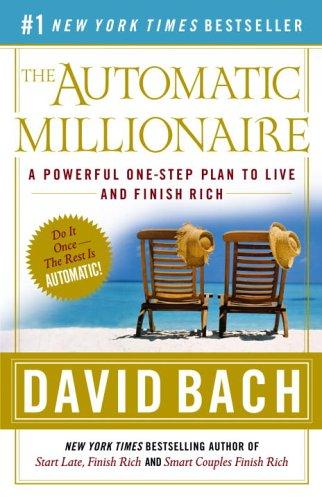
The Automatic Millionaire by David Bach is a 2003 self-help book about automation, homeownership, retirement saving. Automation beats willpower. Set up your savings and investments to happen automatically, before you have the chance to spend the money, and you will save more than you would through any budget.
Summary
The Automatic Millionaire is David Bach's argument that the secret to building wealth is not discipline or budgeting but automation — setting up financial systems that do the right thing without requiring ongoing willpower. Bach opens with the story of a couple, the McIntyres, who worked blue-collar jobs, earned modest incomes, and retired with more than a million dollars in assets and a paid-off home. Their secret: they automated every aspect of their savings, never touched the money, and let time do the rest.
The core concept is "pay yourself first," automated so it happens without any active decision-making. Set up your 401(k) contribution to the maximum (or at least the employer match) before you ever see the money. Set up automatic transfers to IRAs and savings accounts on payday. Set up automatic bill payments. The goal is a financial system that runs itself, so that the right financial behaviors happen in the background while you live your life.
Bach introduces his concept of the "Latte Factor" — the small daily purchases (coffee, lunch out, cigarettes) that add up to surprising sums over years. He calculates that five dollars a day invested at historical stock market returns becomes a substantial sum over decades. This concept has attracted controversy: critics argue that it misidentifies the problem (income and housing costs matter far more than small daily expenses) and moralizes about spending choices. Bach's response is that any recurring expense that can be redirected to savings, however small, illustrates the power of compounding — it's not specifically about coffee.
The homeownership section is central to Bach's philosophy and has aged less well. He argues that owning a home and paying it down is a fundamental wealth-building strategy, using the equity as a forced savings mechanism. Post-2008, this claim requires more nuance — homeownership carries risks and transaction costs that Bach underweights, and the comparison to renting-and-investing depends heavily on local market conditions. The automation framework, however, remains as relevant as when the book was written.
Talk to The Automatic Millionaire like its author wrote you back.
Get the ideas that fit your life — not generic summaries.
- Chat with the book
- Audiobook-style main ideas
- Adapts to your life and goals
- Helps you take action
Key takeaways
- 1.
Automation beats willpower. Set up your savings and investments to happen automatically, before you have the chance to spend the money, and you will save more than you would through any budget.
- 2.
Pay yourself first: the first transfer on payday should be to your savings and retirement accounts, not to expenses. This single habit, automated, produces wealth over time.
- 3.
The Latte Factor illustrates that small recurring expenses, redirected to investment, can compound to significant sums. The concept is about redirecting money you spend without thinking, not specifically about coffee.
- 4.
The employer 401(k) match is the highest guaranteed return available to most workers. Not capturing it fully is leaving compensation on the table.
- 5.
Homeownership can function as forced savings: each mortgage payment builds equity, and equity is an asset that compounds. This argument works best in markets with reasonable price-to-rent ratios.
- 6.
Automatic bill payment eliminates late fees and protects your credit score. Small frictions in financial systems produce real costs over time.
- 7.
Making your mortgage payments bi-weekly instead of monthly — effectively one extra payment per year — can knock years off a 30-year mortgage and save significant interest.
- 8.
The gap between what you earn and what you spend, invested consistently, determines wealth more than market returns or investment selection.
Discussion questions
Use these on your own, with a book club, or as chat starters in Superbook. Book club version, ready to copy or print →
- 1.
Bach's central claim is that automation beats willpower for most people. Has that been true in your own financial life? Where do you rely on willpower that you could replace with a system?
- 2.
The Latte Factor has attracted criticism for focusing on small expenses while ignoring structural issues like wages and housing costs. Which critique is more accurate in your situation: the spending problem or the income problem?
- 3.
What percentage of your paycheck is automatically invested before you see it? If you increased that percentage tomorrow, what would you actually give up?
- 4.
The book advocates homeownership as a wealth-building strategy. Does that argument hold in your specific housing market at current interest rates and price levels?
- 5.
The McIntyres — the couple in the book's opening — built wealth on modest incomes through consistent saving. Is their story inspirational or does it set an unrealistic example that doesn't translate to most people's situations?
- 6.
Bach's approach is specifically designed so that you don't have to think about your finances constantly. What is the tradeoff between financial automation and financial awareness?
- 7.
The bi-weekly mortgage payment strategy is one of the most specific tactical recommendations in the book. Have you ever used it or considered it? What's the actual math in your situation?
- 8.
Which aspects of your current financial life are automated, and which require active decision-making each month? What would you need to do to automate the active ones?
- 9.
Bach's Latte Factor concept has become a cultural shorthand for blaming poor people for their own poverty. Is that a fair reading, or does the concept have genuine value when applied to your own spending?
- 10.
The book was published in 2003. Has the financial landscape changed enough — student debt, housing costs, gig economy, lower interest rates — to require significant updating of its recommendations?
- 11.
Bach's approach implies that the investment selection question — what funds to use — is less important than the automation question. Do you think that's right, or are both important?
- 12.
If you set up a complete financial automation system this weekend — automatic 401(k) contributions, automatic IRA transfers, automatic savings transfers — what would you need to do, and what's stopping you from doing it today?
Themes
Frequently asked questions
-
What is the Latte Factor?
Bach's term for small, mindless recurring spending habits — daily coffee, cigarettes, lunches out, subscription services — that add up to significant sums over years. Redirecting just $5-10 per day to investment compounds to a substantial amount over 30-40 years. The concept has been widely criticized for implying that small spending changes are sufficient to build wealth, which undoes it misses the larger structural issues.
-
Is The Automatic Millionaire the right book if I have debt?
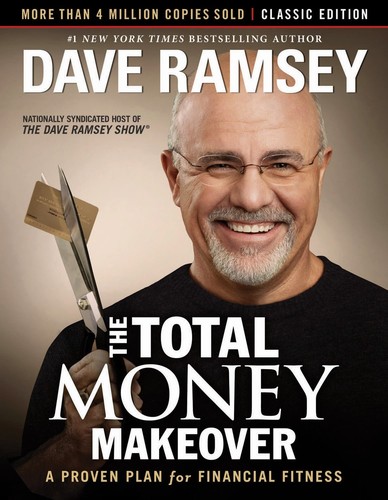
Partially. The automation framework applies to debt paydown as well as to savings. Bach recommends automating debt payments, and the pay-yourself-first principle can be adapted to prioritize debt elimination. For readers with significant consumer debt, The Total Money Makeover's debt-elimination-first approach is more directly relevant.
-
Does the homeownership advice hold today?
The forced-savings argument for homeownership has become more complicated in high-price markets where price-to-rent ratios are extreme, transaction costs are high, and the alternative of renting and investing in index funds can produce better financial outcomes. The principle of building equity over time is sound; whether buying in your specific market makes sense requires local analysis.
-
What is the most important thing to automate first?
The 401(k) contribution up to the employer match. This captures guaranteed 50-100% returns on investment (through matching) and reduces taxable income simultaneously. After that: IRA contributions, emergency fund savings, additional investment, and debt paydown above minimums.
-
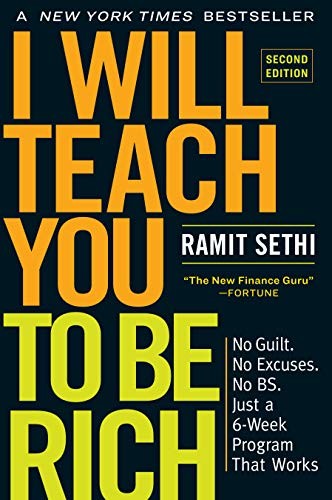
Is this book different from Ramit Sethi's I Will Teach You to Be Rich?
Similar territory, different tone and emphasis. Both advocate automation and pay-yourself-first. Sethi targets younger readers and is more specific about credit cards, bank accounts, and investment products. Bach focuses more on homeownership and the compounding-of-small-amounts framing. Sethi's book has been more recently updated and addresses a higher-cost environment.