Science · Similar reads
Books like The Dragons of Eden
The best books like The Dragons of Eden are Cosmos, Pale Blue Dot: A Vision of the Human Future in Space, and How the Mind Works. The Dragons of Eden by Carl Sagan is about human intelligence, brain evolution, consciousness. If that's what drew you in, here are 12 books that share its DNA — each summarized on Superbook, and ready to chat with in the app.
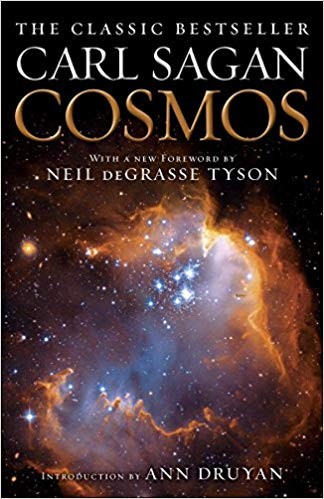
- Cosmos
01
Carl Sagan · Science
Cosmos is Carl Sagan's attempt to tell the full story of the universe and humanity's place in it — from the Big Bang to the origins of life to the rise of science as a way of knowing.
A kindred science read.
Read the summary → - Pale Blue Dot: A Vision of the Human Future in Space
02
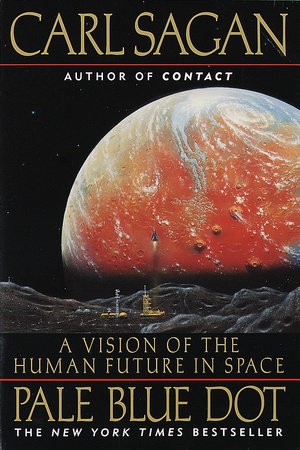
Pale Blue Dot: A Vision of the Human Future in Space
Carl Sagan · Science
Pale Blue Dot takes its title from a photograph taken by Voyager 1 in 1990, as it left the solar system, at Sagan's request.
A kindred science read.
Read the summary → - How the Mind Works
03
Steven Pinker · Science
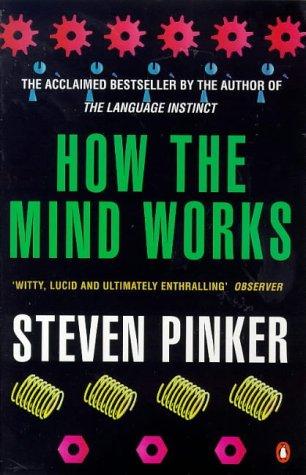
How the Mind Works is Steven Pinker's synthesis of cognitive science and evolutionary psychology, built around a central thesis: the mind is a computational system — a neural computer — shaped by natural selection to solve the adaptive problems that faced our ancestors on the Pleistocene savanna.
Shares consciousness and cognition with The Dragons of Eden.
Read the summary →
- The Language Instinct
04
Steven Pinker · Science
The Language Instinct is Steven Pinker's argument that language is not a cultural invention but a biological instinct — a specialized module in the human brain that evolved by natural selection, much as the eye evolved to see or the hand evolved to grasp.
Both dig into cognition.
Read the summary → - A Short History of Nearly Everything
05
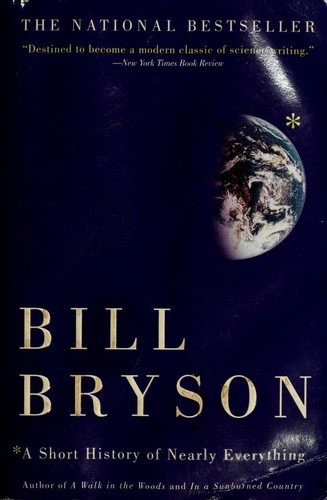
A Short History of Nearly Everything
Bill Bryson · Science
A Short History of Nearly Everything is Bill Bryson's attempt to understand the scientific story of everything — from the Big Bang to the emergence of modern humans — by spending three years talking to scientists and reading science history.
A kindred science read.
Read the summary → - Consciousness Explained
06
Daniel C. Dennett · Philosophy
Consciousness Explained is Daniel Dennett's attempt to replace what he calls the Cartesian Theater — the intuitive picture of consciousness as a single unified stream of experience observed by a self — with a model he calls Multiple Drafts.
Shares consciousness and cognition with The Dragons of Eden.
Read the summary → - Entangled Life: How Fungi Make Our Worlds, Change Our Minds and Shape Our Futures
07
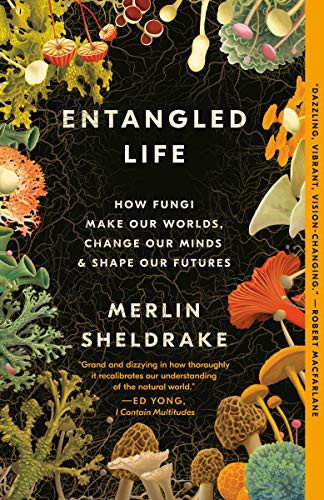
Entangled Life: How Fungi Make Our Worlds, Change Our Minds and Shape Our Futures
Merlin Sheldrake · Science
Merlin Sheldrake is a biologist who has spent his career studying fungi, and Entangled Life is his account of what fungi are, what they do, and why most people who think they know something about the natural world understand almost nothing about this kingdom of life.
Both dig into consciousness.
Read the summary → - From Bacteria to Bach and Back
08
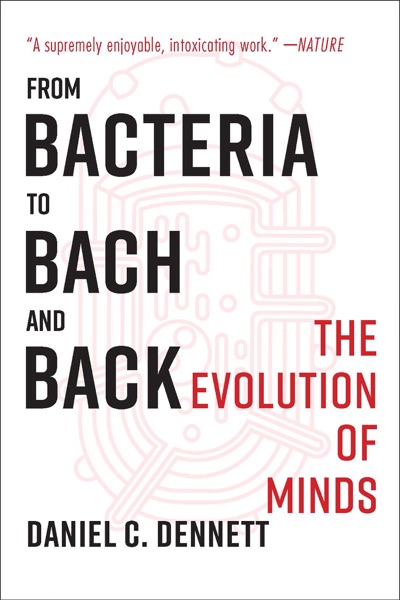
From Bacteria to Bach and Back
Daniel C. Dennett · Science
Daniel Dennett's 2017 book is his most comprehensive attempt to explain how minds — conscious, intentional, creative minds — could have evolved from mindless matter without any homunculus, soul, or top-down designer.
Both dig into consciousness.
Read the summary → - Gödel, Escher, Bach
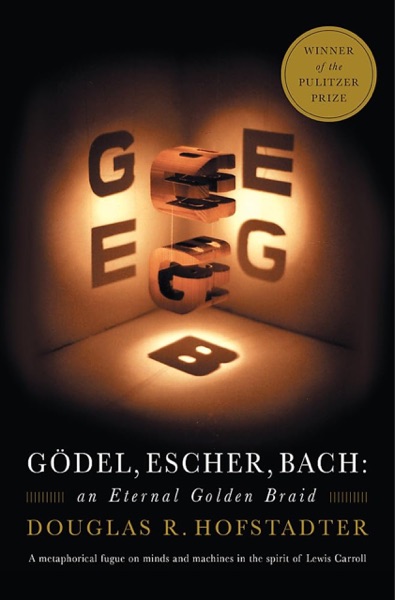
09
Douglas Hofstadter · Science
Douglas Hofstadter's Pulitzer Prize-winning debut, published in 1979, asks how meaning can arise from formal rules — how a biological machine can think, feel, and experience self-awareness.
Both dig into consciousness.
Read the summary → - How to Change Your Mind
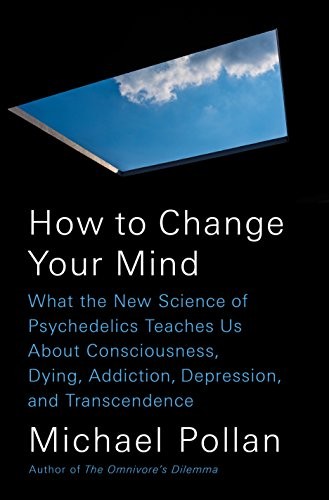
10
Michael Pollan · Science
Michael Pollan came to psychedelics late in life, as a skeptic.
Both dig into consciousness.
Read the summary → - How to Create a Mind
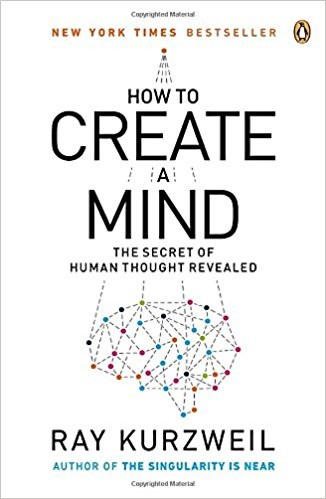
11
Ray Kurzweil · Science
Ray Kurzweil's central claim in How to Create a Mind is that the neocortex — the part of the brain responsible for higher thought — operates on a single repeating algorithm called the pattern recognition theory of mind.
Both dig into consciousness.
Read the summary → - Life 3.0: Being Human in the Age of Artificial Intelligence
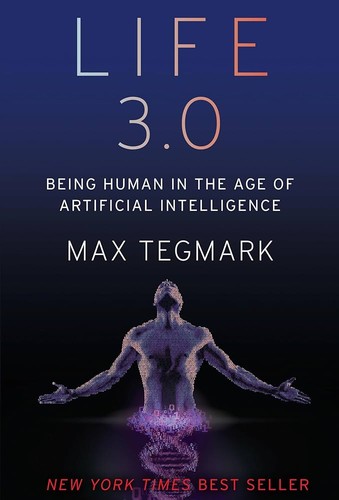
12
Life 3.0: Being Human in the Age of Artificial Intelligence
Max Tegmark · Science
Life 3.0 is Max Tegmark's accessible survey of the questions raised by the prospect of human-level and superhuman artificial intelligence: What are the plausible paths to AGI?
Both dig into consciousness.
Read the summary →
Books like The Dragons of Eden: quick answers
What are the best books like The Dragons of Eden?
The best books like The Dragons of Eden by Carl Sagan are Cosmos by Carl Sagan, Pale Blue Dot: A Vision of the Human Future in Space by Carl Sagan, How the Mind Works by Steven Pinker, The Language Instinct by Steven Pinker, A Short History of Nearly Everything by Bill Bryson, plus 7 more below. Each was chosen for themes it shares with The Dragons of Eden, such as human intelligence, brain evolution, consciousness.
What should I read after The Dragons of Eden?
A natural next read after The Dragons of Eden is Cosmos by Carl Sagan. A kindred science read. Other strong choices are Pale Blue Dot: A Vision of the Human Future in Space by Carl Sagan, How the Mind Works by Steven Pinker, The Language Instinct by Steven Pinker.
What books are similar to The Dragons of Eden by Carl Sagan?
The Dragons of Eden centers on human intelligence, brain evolution, consciousness. Books with a similar feel include Cosmos by Carl Sagan, Pale Blue Dot: A Vision of the Human Future in Space by Carl Sagan, How the Mind Works by Steven Pinker, The Language Instinct by Steven Pinker, A Short History of Nearly Everything by Bill Bryson, Consciousness Explained by Daniel C. Dennett — all free to read and chat with on Superbook.
