Science · Similar reads
Books like The Information: A History, a Theory, a Flood
The best books like The Information: A History, a Theory, a Flood are Chaos: Making a New Science, Genius: The Life and Science of Richard Feynman, and Code: The Hidden Language of Computer Hardware and Software. The Information: A History, a Theory, a Flood by James Gleick is about information theory, communication, entropy. If that's what drew you in, here are 12 books that share its DNA — each summarized on Superbook, and ready to chat with in the app.
- Chaos: Making a New Science
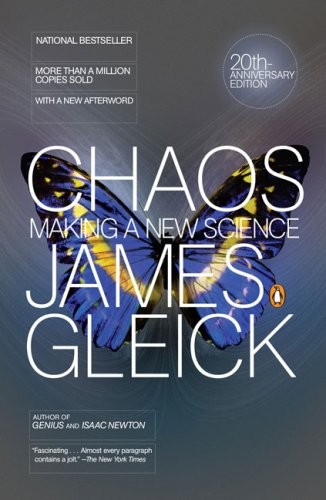
01
James Gleick · Science
Chaos: Making a New Science, published in 1987, tells the story of how a loose network of scientists working across meteorology, mathematics, biology, and physics in the 1960s and 1970s developed chaos theory — the study of systems that are deterministic but unpredictable because tiny differences in initial conditions produce wildly different outcomes.
A kindred science read.
Read the summary → - Genius: The Life and Science of Richard Feynman
02
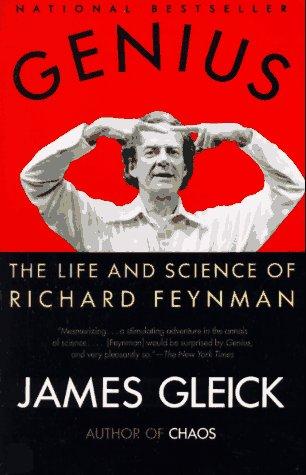
Genius: The Life and Science of Richard Feynman
James Gleick · Biography
Genius is James Gleick's biography of Richard Feynman, the Nobel Prize-winning physicist who developed quantum electrodynamics, cracked safes at Los Alamos, played bongo drums in bars, and became the twentieth century's most celebrated scientific personality.
A kindred science read.
Read the summary → - Code: The Hidden Language of Computer Hardware and Software
03
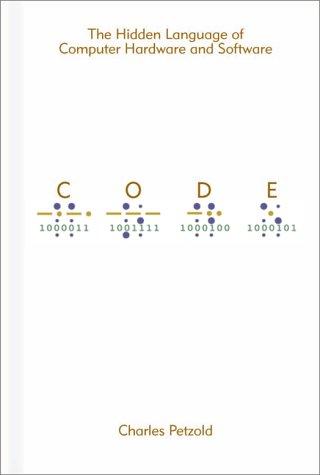
Code: The Hidden Language of Computer Hardware and Software
Charles Petzold · Science
Code is Charles Petzold's explanation of how computers work, built from first principles.
Both dig into computing.
Read the summary →
- The Master Algorithm
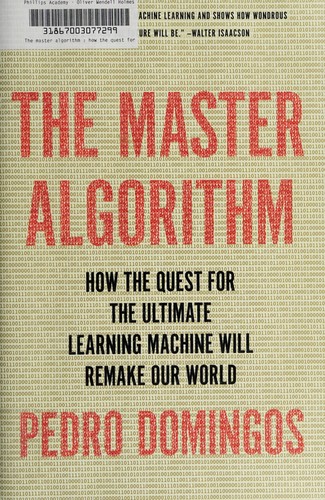
04
Pedro Domingos · Science
The Master Algorithm is Pedro Domingos's survey of machine learning — the field of computer science that creates algorithms capable of learning from data — organized around a central speculative thesis: that there exists, or may be found, a single master algorithm from which all learning can be derived.
A kindred science read.
Read the summary → - Algorithms to Live By: The Computer Science of Human Decisions
05
Algorithms to Live By: The Computer Science of Human Decisions
Brian Christian and Tom Griffiths · Psychology
Brian Christian is a writer and Tom Griffiths is a cognitive scientist, and together they argue that computer science has worked out rigorous solutions to many of the problems humans face every day — when to stop searching for a better option, how to manage your schedule, how to sort your memory — and that these solutions are both interesting and useful.
A kindred science read.
Read the summary → - Four Laws That Drive the Universe
06
Four Laws That Drive the Universe
Peter Atkins · Science
Peter Atkins, one of the most respected chemistry educators of the twentieth century, wrote this book as a compact but uncompromising account of the four laws of thermodynamics.
Both dig into entropy.
Read the summary → - The End of Everything (Astrophysically Speaking)
07
The End of Everything (Astrophysically Speaking)
Katie Mack · Science
The End of Everything is cosmologist Katie Mack's tour through the five leading theories about how the universe will eventually cease to exist.
Both dig into entropy.
Read the summary → - The Fabric of Reality
08
David Deutsch · Science
The Fabric of Reality is David Deutsch's argument that four distinct strands of explanation — quantum physics, epistemology, the theory of evolution, and the theory of computation — are not separate fields but facets of a single unified description of reality.
Both dig into knowledge.
Read the summary → - The Innovators: How a Group of Hackers, Geniuses, and Geeks Created the Digital Revolution
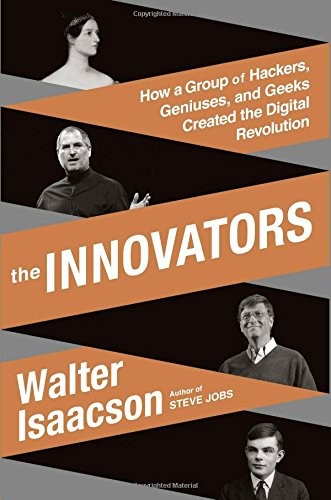
09
The Innovators: How a Group of Hackers, Geniuses, and Geeks Created the Digital Revolution
Walter Isaacson · Science
The Innovators is Walter Isaacson's history of the digital revolution, tracing the development of computers and the internet from Ada Lovelace's conceptualization of programming in the 1840s through the emergence of the modern internet, personal computer, and smartphone.
Both dig into computing.
Read the summary → - A World Without Email
10
Cal Newport · Business
A World Without Email is Cal Newport's most targeted critique of modern knowledge work culture.
Both dig into communication.
Read the summary → - Co-Active Coaching
11
Henry Kimsey-House, Karen Kimsey-House, Phillip Sandahl, and Laura Whitworth · Business
Co-Active Coaching presents the model developed at the Coaches Training Institute (CTI), which has trained more professional coaches than any other organization in the world.
Both dig into communication.
Read the summary → - Critique of Pure Reason
12
Immanuel Kant · Philosophy
The Critique of Pure Reason is Kant's attempt to resolve a crisis in 18th-century philosophy by asking what human reason can and cannot know.
Both dig into knowledge.
Read the summary →
Books like The Information: A History, a Theory, a Flood: quick answers
What are the best books like The Information: A History, a Theory, a Flood?
The best books like The Information: A History, a Theory, a Flood by James Gleick are Chaos: Making a New Science by James Gleick, Genius: The Life and Science of Richard Feynman by James Gleick, Code: The Hidden Language of Computer Hardware and Software by Charles Petzold, The Master Algorithm by Pedro Domingos, Algorithms to Live By: The Computer Science of Human Decisions by Brian Christian and Tom Griffiths, plus 7 more below. Each was chosen for themes it shares with The Information: A History, a Theory, a Flood, such as information theory, communication, entropy.
What should I read after The Information: A History, a Theory, a Flood?
A natural next read after The Information: A History, a Theory, a Flood is Chaos: Making a New Science by James Gleick. A kindred science read. Other strong choices are Genius: The Life and Science of Richard Feynman by James Gleick, Code: The Hidden Language of Computer Hardware and Software by Charles Petzold, The Master Algorithm by Pedro Domingos.
What books are similar to The Information: A History, a Theory, a Flood by James Gleick?
The Information: A History, a Theory, a Flood centers on information theory, communication, entropy. Books with a similar feel include Chaos: Making a New Science by James Gleick, Genius: The Life and Science of Richard Feynman by James Gleick, Code: The Hidden Language of Computer Hardware and Software by Charles Petzold, The Master Algorithm by Pedro Domingos, Algorithms to Live By: The Computer Science of Human Decisions by Brian Christian and Tom Griffiths, Four Laws That Drive the Universe by Peter Atkins — all free to read and chat with on Superbook.
