Science · Similar reads
Books like The Innovators: How a Group of Hackers, Geniuses, and Geeks Created the Digital Revolution
The best books like The Innovators: How a Group of Hackers, Geniuses, and Geeks Created the Digital Revolution are The Information: A History, a Theory, a Flood, Code: The Hidden Language of Computer Hardware and Software, and Hackers: Heroes of the Computer Revolution. The Innovators: How a Group of Hackers, Geniuses, and Geeks Created the Digital Revolution by Walter Isaacson is about technology history, collaboration, computing. If that's what drew you in, here are 12 books that share its DNA — each summarized on Superbook, and ready to chat with in the app.
- The Information: A History, a Theory, a Flood
01
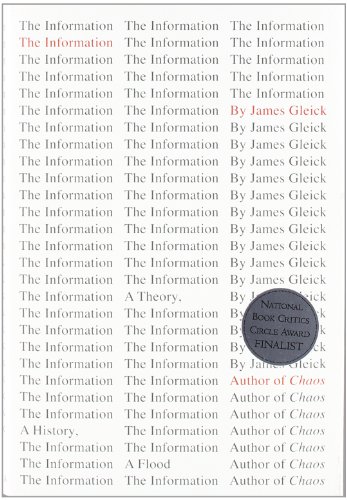
The Information: A History, a Theory, a Flood
James Gleick · Science
The Information traces the history of information — as a concept, a technology, and a way of understanding the universe — from the talking drums of West Africa through the telegraph, the printing press, the telephone, and into the digital age.
Both dig into computing.
Read the summary → - Code: The Hidden Language of Computer Hardware and Software
02
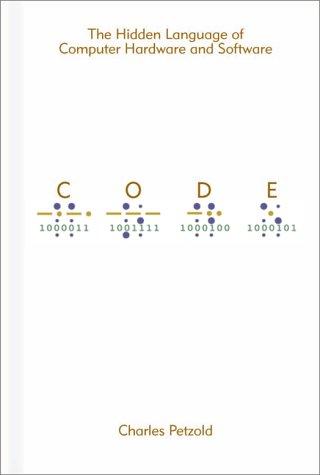
Code: The Hidden Language of Computer Hardware and Software
Charles Petzold · Science
Code is Charles Petzold's explanation of how computers work, built from first principles.
Both dig into computing.
Read the summary → - Hackers: Heroes of the Computer Revolution
03
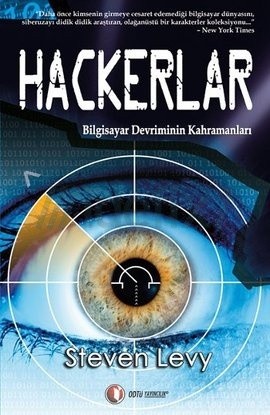
Hackers: Heroes of the Computer Revolution
Steven Levy · Science
Hackers: Heroes of the Computer Revolution is Steven Levy's account of the community of computer enthusiasts who drove the digital revolution from the late 1950s through the early 1980s — the original hackers of MIT's Tech Model Railroad Club and later AI lab, the hardware hackers of the Bay Area Homebrew Computer Club, and the software entrepreneurs who built the early PC industry.
Both dig into technology history.
Read the summary →
- Blue Ocean Strategy
04
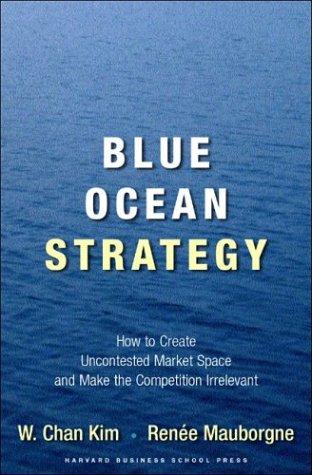
W. Chan Kim and Renée Mauborgne · Business
Blue Ocean Strategy is Kim and Mauborgne's case that the most successful companies don't compete in existing markets by beating rivals at their own game — they create new market spaces where competition is irrelevant.
Both dig into innovation.
Read the summary → - Chaos: Making a New Science
05
James Gleick · Science
Chaos: Making a New Science, published in 1987, tells the story of how a loose network of scientists working across meteorology, mathematics, biology, and physics in the 1960s and 1970s developed chaos theory — the study of systems that are deterministic but unpredictable because tiny differences in initial conditions produce wildly different outcomes.
A kindred science read.
Read the summary → - How the Internet Happened
06
Brian McCullough · History
How the Internet Happened covers the commercial history of the internet from the release of Mosaic in 1993 to the launch of the iPhone in 2007 — the window in which the web went from academic experiment to the defining infrastructure of modern life.
Shares technology history and innovation with The Innovators: How a Group of Hackers, Geniuses, and Geeks Created the Digital Revolution.
Read the summary → - How We Got to Now
07
Steven Johnson · History
How We Got to Now traces six innovations — glass, cold, sound, clean, time, and light — and follows each one through unexpected chains of consequence into the present.
Shares technology history and innovation with The Innovators: How a Group of Hackers, Geniuses, and Geeks Created the Digital Revolution.
Read the summary → - Where Wizards Stay Up Late
08
Katie Hafner & Matthew Lyon · History
Where Wizards Stay Up Late is the history of ARPANET, the government-funded network that became the technical foundation of the internet.
Shares collaboration and innovation with The Innovators: How a Group of Hackers, Geniuses, and Geeks Created the Digital Revolution.
Read the summary → - The Extended Mind
09
Annie Murphy Paul · Science
The Extended Mind is Annie Murphy Paul's argument that the brain is not the only seat of cognition.
Both dig into collaboration.
Read the summary → - Where Is My Flying Car?
- Americana
11
Bhu Srinivasan · History
Americana is Bhu Srinivasan's attempt to tell the history of American capitalism through its defining industries and the entrepreneurs who built them.
Both dig into innovation.
Read the summary → - Articulating Design Decisions
12
Tom Greever · Business
Articulating Design Decisions addresses a gap that most design education ignores: knowing how to make good decisions is necessary but not sufficient.
Both dig into collaboration.
Read the summary →
Books like The Innovators: How a Group of Hackers, Geniuses, and Geeks Created the Digital Revolution: quick answers
What are the best books like The Innovators: How a Group of Hackers, Geniuses, and Geeks Created the Digital Revolution?
The best books like The Innovators: How a Group of Hackers, Geniuses, and Geeks Created the Digital Revolution by Walter Isaacson are The Information: A History, a Theory, a Flood by James Gleick, Code: The Hidden Language of Computer Hardware and Software by Charles Petzold, Hackers: Heroes of the Computer Revolution by Steven Levy, Blue Ocean Strategy by W. Chan Kim and Renée Mauborgne, Chaos: Making a New Science by James Gleick, plus 7 more below. Each was chosen for themes it shares with The Innovators: How a Group of Hackers, Geniuses, and Geeks Created the Digital Revolution, such as technology history, collaboration, computing.
What should I read after The Innovators: How a Group of Hackers, Geniuses, and Geeks Created the Digital Revolution?
A natural next read after The Innovators: How a Group of Hackers, Geniuses, and Geeks Created the Digital Revolution is The Information: A History, a Theory, a Flood by James Gleick. Both dig into computing. Other strong choices are Code: The Hidden Language of Computer Hardware and Software by Charles Petzold, Hackers: Heroes of the Computer Revolution by Steven Levy, Blue Ocean Strategy by W. Chan Kim and Renée Mauborgne.
What books are similar to The Innovators: How a Group of Hackers, Geniuses, and Geeks Created the Digital Revolution by Walter Isaacson?
The Innovators: How a Group of Hackers, Geniuses, and Geeks Created the Digital Revolution centers on technology history, collaboration, computing. Books with a similar feel include The Information: A History, a Theory, a Flood by James Gleick, Code: The Hidden Language of Computer Hardware and Software by Charles Petzold, Hackers: Heroes of the Computer Revolution by Steven Levy, Blue Ocean Strategy by W. Chan Kim and Renée Mauborgne, Chaos: Making a New Science by James Gleick, How the Internet Happened by Brian McCullough — all free to read and chat with on Superbook.
