Philosophy · Similar reads
Books like The Open Society and Its Enemies
The best books like The Open Society and Its Enemies are Sapiens: A Brief History of Humankind, The Rise and Fall of the Third Reich, and Enlightenment Now. The Open Society and Its Enemies by Karl Popper is about democracy, totalitarianism, critical rationalism. If that's what drew you in, here are 12 books that share its DNA — each summarized on Superbook, and ready to chat with in the app.
- Sapiens: A Brief History of Humankind
01
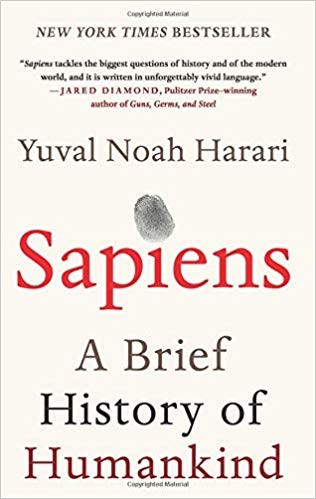
Sapiens: A Brief History of Humankind
Yuval Noah Harari · History
Sapiens traces the full arc of human history from the emergence of Homo sapiens in Africa roughly 70,000 years ago to the present.
A kindred philosophy read.
Read the summary → - The Rise and Fall of the Third Reich
02
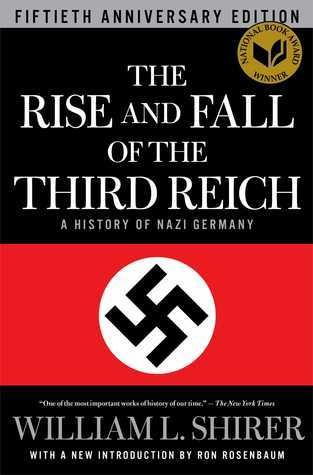
The Rise and Fall of the Third Reich
William L. Shirer · History
The Rise and Fall of the Third Reich is William Shirer's comprehensive account of Nazi Germany from the early career of Adolf Hitler through the defeat of the Reich in 1945.
Both dig into totalitarianism.
Read the summary → - Enlightenment Now
03
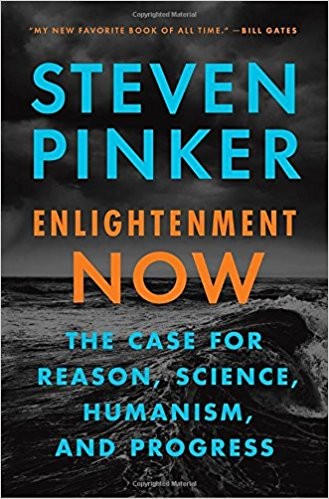
Steven Pinker · Science
Enlightenment Now is Steven Pinker's argument that the ideals of the Enlightenment — reason, science, humanism, and progress — have been responsible for a dramatic and continuing improvement in human wellbeing across virtually every measurable dimension, and that these ideals are under threat from counter-Enlightenment movements on both the left and the right.
A kindred philosophy read.
Read the summary →
- The Better Angels of Our Nature
04
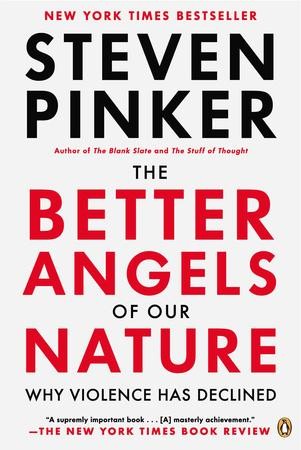
The Better Angels of Our Nature
Steven Pinker · Science
The Better Angels of Our Nature is Steven Pinker's argument, supported by extensive historical and statistical data, that human violence has declined dramatically over long time periods and that this decline is real, not an artifact of reporting or perception.
A kindred philosophy read.
Read the summary → - Guns, Germs, and Steel
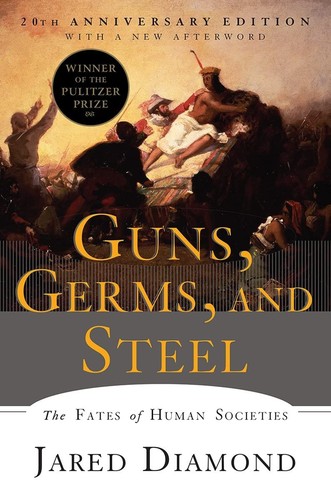
05
Jared Diamond · Science
Guns, Germs, and Steel is Jared Diamond's attempt to answer a question posed to him by a Papua New Guinean politician named Yali: why did Europeans end up with so much cargo — wealth, technology, power — while other peoples had comparatively little?
A kindred philosophy read.
Read the summary → - 1984
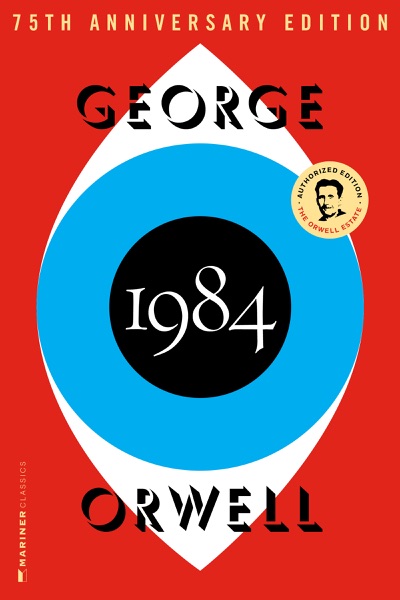
06
George Orwell · Philosophy
Nineteen Eighty-Four is George Orwell's 1949 novel about a future England called Airstrip One, governed by the totalitarian Party under the figurehead Big Brother.
Both dig into totalitarianism.
Read the summary → - The Power of the Powerless
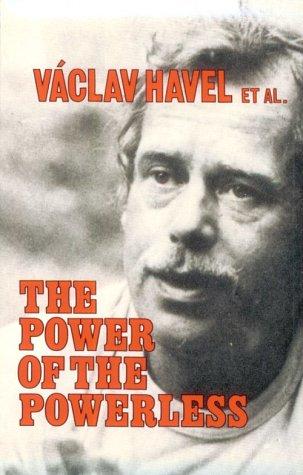
07
Václav Havel · Philosophy
Written in 1978 and circulated as samizdat in Czechoslovakia, Václav Havel's essay is one of the most penetrating analyses of how totalitarian power actually works — and how ordinary people can resist it without armies, parties, or manifestos.
Both dig into totalitarianism.
Read the summary → - Bloodlands: Europe Between Hitler and Stalin

08
Bloodlands: Europe Between Hitler and Stalin
Timothy Snyder · History
Bloodlands is Timothy Snyder's account of the territories between Nazi Germany and the Soviet Union — principally Poland, Ukraine, Belarus, and the Baltic states — where the two regimes' violence overlapped between 1933 and 1945.
Both dig into totalitarianism.
Read the summary → - Democracy in America

09
Alexis de Tocqueville · History
Democracy in America, published in two volumes in 1835 and 1840, is Alexis de Tocqueville's analysis of the democratic experiment in the United States as a model for what was coming to Europe.
Both dig into democracy.
Read the summary → - Gulag: A History
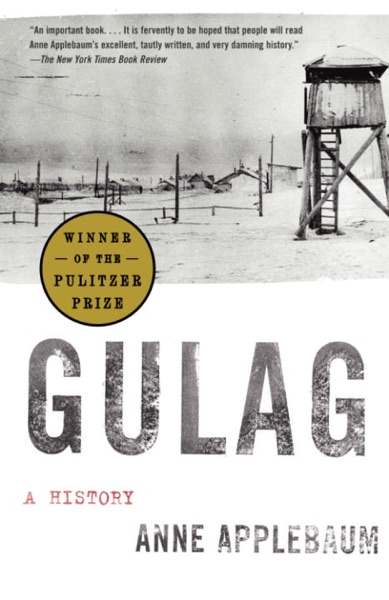
10
Anne Applebaum · History
Anne Applebaum's Gulag is the first comprehensive English-language history of the Soviet forced labor camp system, drawing on KGB archives opened briefly after 1991, survivor memoirs, and interviews with former prisoners and guards.
Both dig into totalitarianism.
Read the summary → - History of the Peloponnesian War
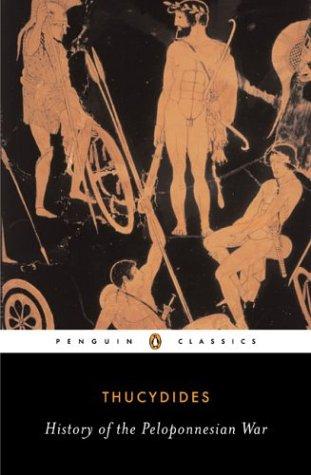
11
History of the Peloponnesian War
Thucydides · History
Thucydides' account of the twenty-seven-year conflict between Athens and Sparta stands as the founding document of political realism and the first work of history that treats evidence and causation as problems to be solved rather than stories to be told.
Both dig into democracy.
Read the summary → - How Democracies Die
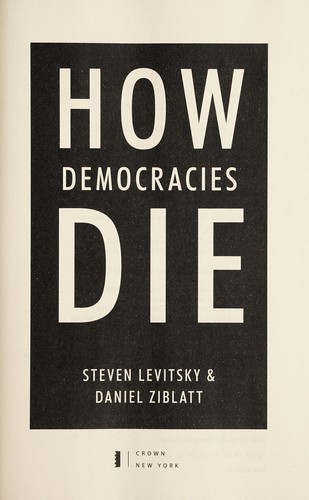
12
Steven Levitsky and Daniel Ziblatt · Politics
Steven Levitsky and Daniel Ziblatt are Harvard comparative politics scholars who have spent their careers studying how democracies break down in Latin America and Europe.
Both dig into democracy.
Read the summary →
Books like The Open Society and Its Enemies: quick answers
What are the best books like The Open Society and Its Enemies?
The best books like The Open Society and Its Enemies by Karl Popper are Sapiens: A Brief History of Humankind by Yuval Noah Harari, The Rise and Fall of the Third Reich by William L. Shirer, Enlightenment Now by Steven Pinker, The Better Angels of Our Nature by Steven Pinker, Guns, Germs, and Steel by Jared Diamond, plus 7 more below. Each was chosen for themes it shares with The Open Society and Its Enemies, such as democracy, totalitarianism, critical rationalism.
What should I read after The Open Society and Its Enemies?
A natural next read after The Open Society and Its Enemies is Sapiens: A Brief History of Humankind by Yuval Noah Harari. A kindred philosophy read. Other strong choices are The Rise and Fall of the Third Reich by William L. Shirer, Enlightenment Now by Steven Pinker, The Better Angels of Our Nature by Steven Pinker.
What books are similar to The Open Society and Its Enemies by Karl Popper?
The Open Society and Its Enemies centers on democracy, totalitarianism, critical rationalism. Books with a similar feel include Sapiens: A Brief History of Humankind by Yuval Noah Harari, The Rise and Fall of the Third Reich by William L. Shirer, Enlightenment Now by Steven Pinker, The Better Angels of Our Nature by Steven Pinker, Guns, Germs, and Steel by Jared Diamond, 1984 by George Orwell — all free to read and chat with on Superbook.
