The Poet by Michael Connelly is a 1996 thriller book about grief and obsession, serial predation, journalism and truth. Grief can be weaponized — the killer in this novel exploits the specific vulnerabilities that homicide work carves into detectives over time.
Summary
Jack McEvoy is a crime reporter in Denver whose twin brother, a homicide detective, apparently kills himself. The suicide note quotes Edgar Allan Poe. When Jack starts digging, he finds other detective suicides across the country — all with Poe quotes in their notes. What looks like a tragic pattern becomes the signature of someone who hunts law enforcement. Jack, with the FBI's serial crimes unit, starts closing in on a killer who is also closing in on him.
The book is about the cost of looking closely at violent death for a living. Jack's brother spent years staring at crime scenes, and the novel asks whether that exposure changed him — or whether the killer found something already broken to exploit. The FBI agent Rachel Walling carries her own version of this question: profilers who study predators long enough start to see the world the way the predator does. The Poet is not really a procedural about catching a killer; it's a procedural about what it costs to try.
Connelly's construction is unusually tight for a 400-page thriller. The Poe conceit never feels gimmicky because it's embedded in something real: detectives who work homicide read differently, drink differently, dream differently. The book's shift in perspective near the end is genuinely unsettling, and the reveal lands because Connelly has laid the groundwork cleanly without being telegraphic. The pacing is that of a very good journalist — spare, factual, accumulating.
Readers who like procedurals grounded in institutional reality will find this one of Connelly's best. The Bosch novels have a deeper recurring character, but The Poet has a cleaner plot. Anyone looking for cozy mysteries or heroic investigators should know this book is interested in the damage the work does to people, not the triumph of justice. It earns its ending, but the ending is not triumphant.

Talk to The Poet like its author wrote you back.
Get the ideas that fit your life — not generic summaries.
- Chat with the book
- Audiobook-style main ideas
- Adapts to your life and goals
- Helps you take action
Key takeaways
- 1.
Grief can be weaponized — the killer in this novel exploits the specific vulnerabilities that homicide work carves into detectives over time.
- 2.
The Poe motif works because it captures something real: detectives who handle violent death for years read the world through a distorted lens.
- 3.
Journalism and detection converge here — both professions require a willingness to look at things other people flinch from, and both extract a price.
- 4.
Rachel Walling's profiler arc raises an uncomfortable question about expertise: does understanding a predator require becoming slightly predatory yourself?
- 5.
The novel's structure mirrors its theme — it presents itself as one kind of story, then reveals it has been something else the whole time.
- 6.
Connelly treats institutional failure as background noise rather than scandal — the FBI and police miss things not from corruption but from the limits of any bureaucracy.
- 7.
The survivor guilt thread is handled without sentimentality: loss of a twin creates a specific kind of doubling that the killer exploits with precision.
- 8.
The ending refuses easy resolution — catching the killer doesn't restore what was taken, and the novel is honest about that.
Discussion questions
Use these on your own, with a book club, or as chat starters in Superbook. Book club version, ready to copy or print →
- 1.
Jack is a journalist who decides to investigate his brother's death personally. At what point does his reporting cross into something more reckless, and does the novel endorse that crossing?
- 2.
The killer targets detectives specifically — people whose job requires them to process extreme violence. What does the novel seem to argue about the psychological toll of that work?
- 3.
Rachel Walling's attraction to Jack complicates her professional role. Does Connelly handle that well, or does the romance subplot feel like a concession to genre expectations?
- 4.
The Poe quotes in the suicide notes are theatrical. Does the theatricality make the killer more or less frightening to you as a reader?
- 5.
The novel's perspective shift near the climax is a structural gamble. Did you feel the groundwork was fair, or did it feel like a cheat?
- 6.
Compare the way this book depicts grief to how grief works in a book like A Grief Observed or The Year of Magical Thinking. What does fiction let Connelly do that nonfiction can't?
- 7.
Jack's brother is dead before the novel starts. How does Connelly make us care about a character we never meet directly?
- 8.
The FBI is shown as competent but limited — not incompetent, not corrupt. Does that more neutral portrayal feel more realistic than the usual thriller extremes?
- 9.
The killer's method relies on a particular kind of institutional trust. After reading the book, do you think that vulnerability has been addressed in real law enforcement?
- 10.
The novel ends with Jack writing a book about the case. Is that resolution earned, or does it feel like a neat professional bow on top of something messier?
- 11.
Connelly's reporter protagonist gives him a different vantage point than his detective novels. What does the journalist's eye see that Harry Bosch's cop's eye would miss?
- 12.
The Poet works as both a thriller and a meditation on a specific kind of male grief. Which read felt more central to you by the end?
Themes
Frequently asked questions
-
Do I need to read the Bosch novels before The Poet?
No. The Poet is a standalone novel with a different protagonist — crime reporter Jack McEvoy — and a different FBI character. It has no continuity dependence on the Bosch series, though Rachel Walling does appear in later Connelly novels.
-
Is The Poet scary or just suspenseful?
More suspenseful than scary. It builds dread through accumulation rather than horror-style shocks. The violence is clinical and reported, not visceral. Readers who find police procedurals gripping will likely find this one of the better-paced examples of the genre.
-
What is The Poet about without spoilers?
A Denver crime reporter suspects his twin brother's apparent suicide was actually murder, and begins investigating what turns out to be a serial predator targeting homicide detectives nationwide. It's as much about the psychology of grief and vocational damage as it is about the investigation.
-
Who shouldn't read The Poet?
Readers who want an uplifting mystery or a triumphant detective arc. This book is interested in what the job costs and what grief does to people. The resolution is satisfying structurally but not emotionally cathartic.
-
Is there a movie or TV adaptation of The Poet?
Not as of this writing. The Bosch TV series (Amazon Prime) adapts the Harry Bosch novels, but The Poet has not been adapted for screen despite being widely considered one of Connelly's best standalones.
Similar books
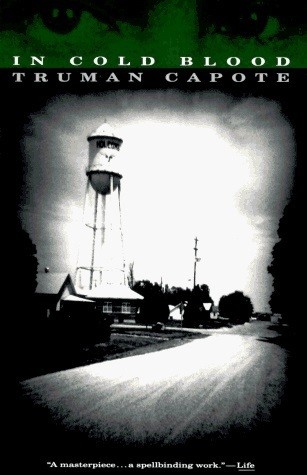
In Cold Blood
Truman Capote
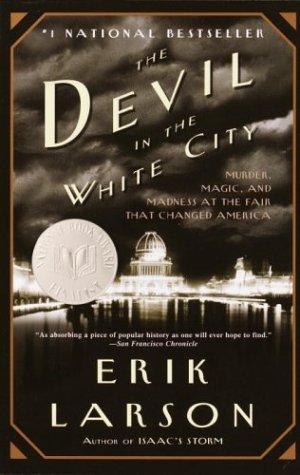
The Devil in the White City
Erik Larson
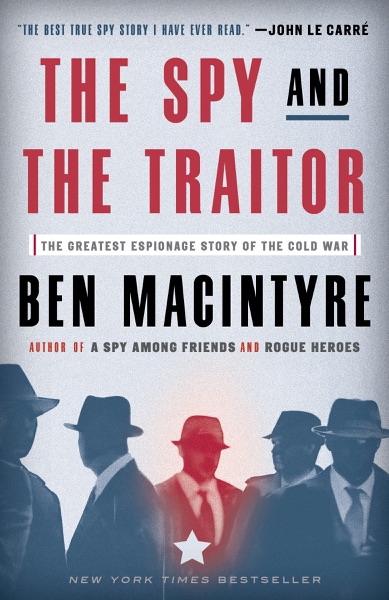
The Spy and the Traitor: The Greatest Espionage Story of the Cold War
Ben Macintyre
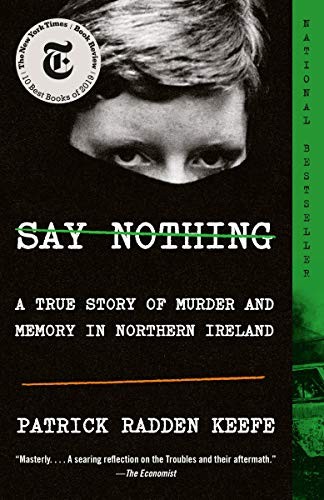
Say Nothing: A True Story of Murder and Memory in Northern Ireland
Patrick Radden Keefe
