Science · Similar reads
Books like The Tangled Tree: A Radical New History of Life
The best books like The Tangled Tree: A Radical New History of Life are The Selfish Gene, A Short History of Nearly Everything, and The Ancestor's Tale. The Tangled Tree: A Radical New History of Life by David Quammen is about evolution, molecular biology, tree of life. If that's what drew you in, here are 12 books that share its DNA — each summarized on Superbook, and ready to chat with in the app.
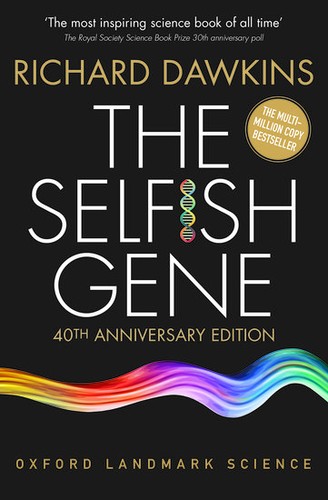
- The Selfish Gene
01
Richard Dawkins · Science
The Selfish Gene reframes evolution from the organism's point of view to the gene's.
Both dig into evolution.
Read the summary → - A Short History of Nearly Everything
02
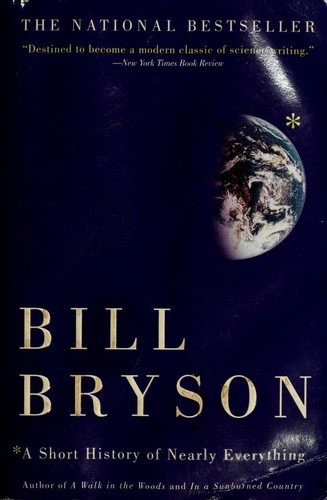
A Short History of Nearly Everything
Bill Bryson · Science
A Short History of Nearly Everything is Bill Bryson's attempt to understand the scientific story of everything — from the Big Bang to the emergence of modern humans — by spending three years talking to scientists and reading science history.
Both dig into evolution.
Read the summary → - The Ancestor's Tale
03
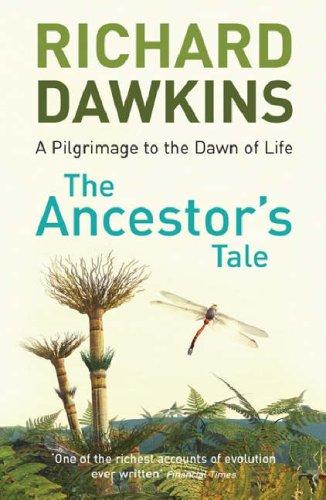
Richard Dawkins · Science
The Ancestor's Tale is Richard Dawkins's account of the history of life on Earth, told backwards: beginning with humans and traveling back in evolutionary time to meet successive ancestors at the points where different lineages join.
Both dig into evolution.
Read the summary →
- Chaos: Making a New Science
04
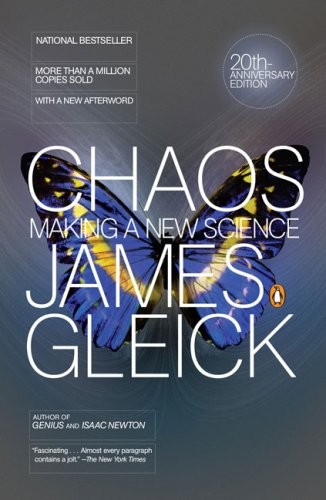
James Gleick · Science
Chaos: Making a New Science, published in 1987, tells the story of how a loose network of scientists working across meteorology, mathematics, biology, and physics in the 1960s and 1970s developed chaos theory — the study of systems that are deterministic but unpredictable because tiny differences in initial conditions produce wildly different outcomes.
Both dig into scientific discovery.
Read the summary → - The Blind Watchmaker
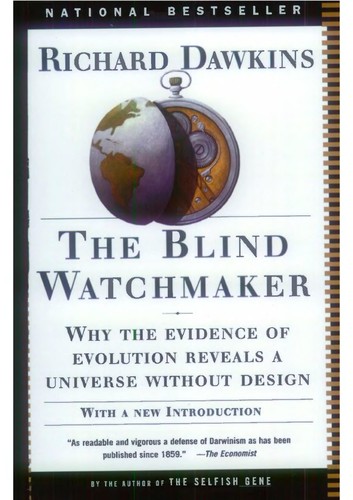
05
Richard Dawkins · Science
The Blind Watchmaker is Richard Dawkins's argument that natural selection — cumulative, non-random selection acting on random variation — is sufficient to explain the apparent design in biological organisms.
Both dig into evolution.
Read the summary → - The Song of the Cell
06
Siddhartha Mukherjee · Science
The Song of the Cell is Siddhartha Mukherjee's account of how the cell — the basic unit of life — was discovered, decoded, and eventually harnessed to rebuild and repair the human body.
Shares evolution and scientific discovery with The Tangled Tree: A Radical New History of Life.
Read the summary → - A Crack in Creation: Gene Editing and the Unthinkable Power to Control Evolution
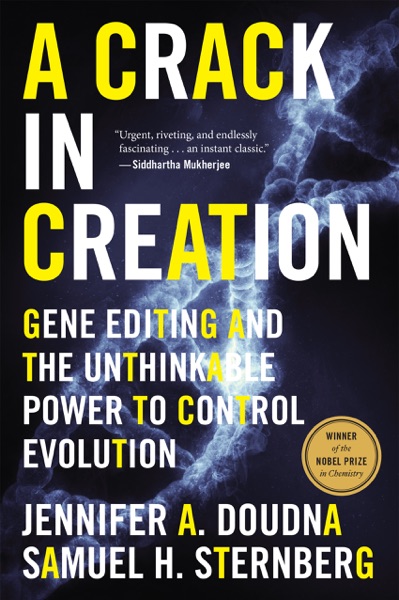
07
A Crack in Creation: Gene Editing and the Unthinkable Power to Control Evolution
Jennifer A. Doudna and Samuel H. Sternberg · Science
A Crack in Creation is Jennifer Doudna and Samuel Sternberg's account of how CRISPR-Cas9 works, what it can do, and why its possibilities should give everyone pause.
Both dig into evolution.
Read the summary → - Are We Smart Enough to Know How Smart Animals Are?
08
Are We Smart Enough to Know How Smart Animals Are?
Frans de Waal · Science
Frans de Waal's central argument is that we've spent most of the last century asking the wrong questions about animal intelligence.
Both dig into evolution.
Read the summary → - Behave: The Biology of Humans at Our Best and Worst
09
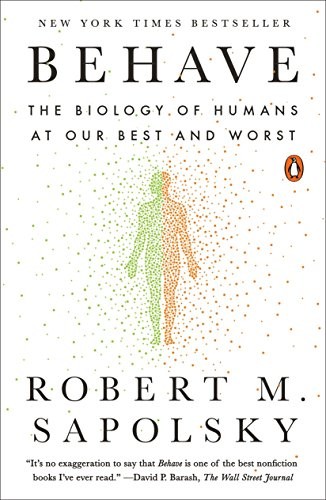
Behave: The Biology of Humans at Our Best and Worst
Robert M. Sapolsky · Science
Behave is Robert Sapolsky's attempt to explain why humans do what they do — the violence, the altruism, the tribalism, the heroism — by working through every layer of biology that contributes to a single act.
Both dig into evolution.
Read the summary → - Climbing Mount Improbable
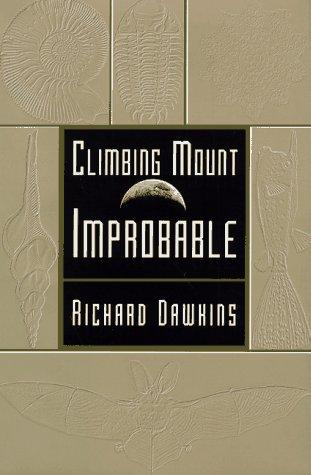
10
Richard Dawkins · Science
Climbing Mount Improbable is Richard Dawkins's response to the persistent intuition that complex biological structures — the vertebrate eye, insect wings, spider webs — are too improbable to have evolved by chance.
Both dig into evolution.
Read the summary → - Cosmos
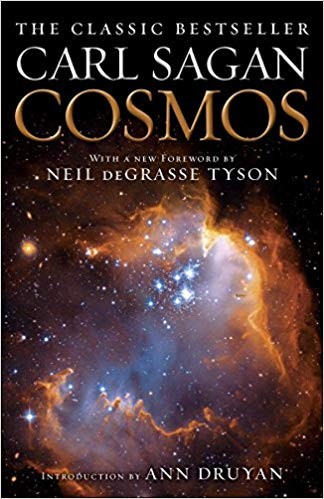
11
Carl Sagan · Science
Cosmos is Carl Sagan's attempt to tell the full story of the universe and humanity's place in it — from the Big Bang to the origins of life to the rise of science as a way of knowing.
Both dig into evolution.
Read the summary → - Finding the Mother Tree: Discovering the Wisdom of the Forest
12
Finding the Mother Tree: Discovering the Wisdom of the Forest
Suzanne Simard · Science
Suzanne Simard is the forest ecologist who discovered that trees communicate and share resources through underground mycorrhizal fungal networks — the research that gave rise to the concept of the "mother tree" and, at several removes, Peter Wohlleben's popular writing on the subject.
Both dig into scientific discovery.
Read the summary →
Books like The Tangled Tree: A Radical New History of Life: quick answers
What are the best books like The Tangled Tree: A Radical New History of Life?
The best books like The Tangled Tree: A Radical New History of Life by David Quammen are The Selfish Gene by Richard Dawkins, A Short History of Nearly Everything by Bill Bryson, The Ancestor's Tale by Richard Dawkins, Chaos: Making a New Science by James Gleick, The Blind Watchmaker by Richard Dawkins, plus 7 more below. Each was chosen for themes it shares with The Tangled Tree: A Radical New History of Life, such as evolution, molecular biology, tree of life.
What should I read after The Tangled Tree: A Radical New History of Life?
A natural next read after The Tangled Tree: A Radical New History of Life is The Selfish Gene by Richard Dawkins. Both dig into evolution. Other strong choices are A Short History of Nearly Everything by Bill Bryson, The Ancestor's Tale by Richard Dawkins, Chaos: Making a New Science by James Gleick.
What books are similar to The Tangled Tree: A Radical New History of Life by David Quammen?
The Tangled Tree: A Radical New History of Life centers on evolution, molecular biology, tree of life. Books with a similar feel include The Selfish Gene by Richard Dawkins, A Short History of Nearly Everything by Bill Bryson, The Ancestor's Tale by Richard Dawkins, Chaos: Making a New Science by James Gleick, The Blind Watchmaker by Richard Dawkins, The Song of the Cell by Siddhartha Mukherjee — all free to read and chat with on Superbook.
