Book comparison
Good to Great vs Built to Last
Read Good to Great first — Collins himself treats it as the earlier question — and Built to Last if you care about how an institution survives its founders; read both aware that the method picks winners after the fact.
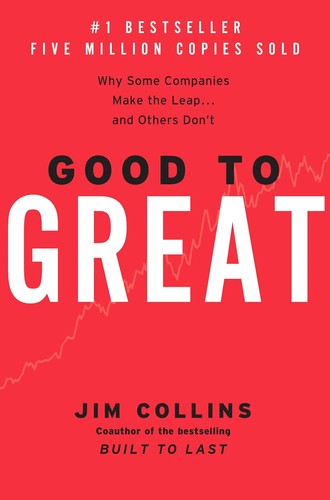
Good to Great
Jim Collins
2001 · 5h 45m
Good to Great is Jim Collins's attempt to answer a deceptively simple question: why do some good companies make the leap to sustained greatness while most don't?
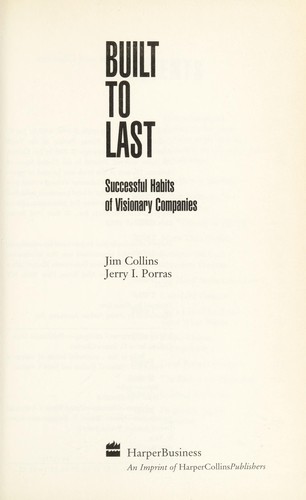
Built to Last
Jim Collins and Jerry I. Porras
1994 · 7h 0m
Built to Last is Jim Collins and Jerry Porras's six-year research project into what separates companies that endure for decades from those that simply perform well for a season.
Where they agree
Same lead author and the same research approach: pick companies by outcome, match each against a comparison company that did not achieve it, put a team on years of archive work, and report what the winners had in common. Both conclude that sustained corporate performance comes from internal disciplines rather than from markets, timing or a charismatic chief executive, and both are written for managers who want that discipline named.
Where they differ
Built to Last studies companies that were already exceptional and asks why they endured across generations — the answers are about core ideology, preserving that core while stimulating progress, and building the clock rather than telling the time. Good to Great asks a narrower and more useful question: how a merely good company makes a sustained leap, with answers about Level 5 leadership, getting the right people on board before setting direction, a hedgehog concept, and a flywheel that compounds. The honest caveat applies to both but bites hardest on Good to Great: several of its exemplars later failed badly, Circuit City going bankrupt and Fannie Mae requiring federal rescue in 2008, and the selection-by-outcome method is vulnerable to survivorship bias and to reading causes into what may have been good years.
Which to read first
Good to Great. Collins describes it as the prequel in argument even though it was published later, and its concepts — first who then what, the flywheel, Level 5 leadership — are the ones still in circulation. Built to Last lands better afterwards, when you are asking what happens to the thing you built after you leave it.
Read Good to Great if
You are running or advising a decent organisation that is not exceptional, and want a vocabulary for what the transition actually requires.
Read the summary →Read Built to Last if
You care about institutional longevity — purpose, succession, culture that survives its founders — more than about a performance jump.
Read the summary →Common questions
Should I read Good to Great or Built to Last?
Read Good to Great first — Collins himself treats it as the earlier question — and Built to Last if you care about how an institution survives its founders; read both aware that the method picks winners after the fact.
What is the difference between Good to Great and Built to Last?
Built to Last studies companies that were already exceptional and asks why they endured across generations — the answers are about core ideology, preserving that core while stimulating progress, and building the clock rather than telling the time. Good to Great asks a narrower and more useful question: how a merely good company makes a sustained leap, with answers about Level 5 leadership, getting the right people on board before setting direction, a hedgehog concept, and a flywheel that compounds. The honest caveat applies to both but bites hardest on Good to Great: several of its exemplars later failed badly, Circuit City going bankrupt and Fannie Mae requiring federal rescue in 2008, and the selection-by-outcome method is vulnerable to survivorship bias and to reading causes into what may have been good years.
Which should I read first, Good to Great or Built to Last?
Good to Great. Collins describes it as the prequel in argument even though it was published later, and its concepts — first who then what, the flywheel, Level 5 leadership — are the ones still in circulation. Built to Last lands better afterwards, when you are asking what happens to the thing you built after you leave it.
More like these: books like Good to Great, books like Built to Last, or every comparison.
