Book comparison
How to Win Friends and Influence People vs Never Split the Difference
Read Never Split the Difference if you have a specific negotiation coming up, and How to Win Friends and Influence People if the problem is not one conversation but how people generally find you to deal with.
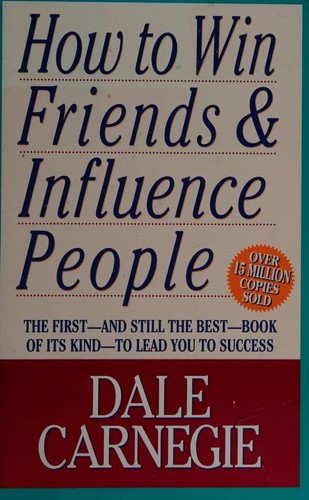
How to Win Friends and Influence People
Dale Carnegie
1936 · 5h 0m
How to Win Friends and Influence People is Dale Carnegie's 1936 guide to dealing with people effectively.
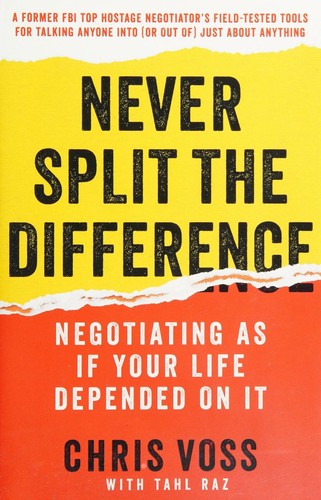
Never Split the Difference
Chris Voss
2016 · 5h 0m
Never Split the Difference is Chris Voss's argument that the rational, compromise-based negotiation frameworks taught in business schools miss something fundamental about how people actually make…
Where they agree
Both argue that you get what you want from other people by attending to how they feel rather than to how good your case is, and both treat the other person’s sense of having been genuinely heard as the lever that moves everything else. Both are built the same way, as a set of numbered principles illustrated by story after story, and both have been quoted so widely that you will recognise ideas you thought were just common sense.
Where they differ
Carnegie is writing about disposition and about relationships that continue: remember names, do not criticise, talk in terms of the other person’s interests, let the idea turn out to be theirs. It is a book about becoming someone others want to deal with, and it works over months rather than in a meeting. Voss is writing about a discrete event with someone across the table, and he hands you a toolkit from FBI hostage negotiation — tactical empathy, labelling what the other side is feeling, mirroring their last few words, calibrated questions beginning with how, an accusation audit that says the worst thing about you first, and a deliberate preference for hearing no over a fast yes. He also argues directly against the split-the-difference, meet-in-the-middle habit that most negotiation advice encourages. Carnegie changes who you are; Voss gives you sentences to say. Carnegie also shows his age: the 1936 salesman anecdotes read as dated, and the advice can sound manipulative when it is separated from actually caring about the other person.
Which to read first
Never Split the Difference, if something real is on the calendar this month — it is the more directly actionable book and you can use it immediately. Otherwise Carnegie first, because Voss’s tactics work considerably better on top of Carnegie’s disposition than in place of it.
Read How to Win Friends and Influence People if
You want people to want to work with you over years, and your problem is not any single conversation.
Read the summary →Read Never Split the Difference if
You have a salary, a contract or a price to settle soon, and you want specific things you can actually say out loud.
Read the summary →Common questions
Should I read How to Win Friends and Influence People or Never Split the Difference?
Read Never Split the Difference if you have a specific negotiation coming up, and How to Win Friends and Influence People if the problem is not one conversation but how people generally find you to deal with.
What is the difference between How to Win Friends and Influence People and Never Split the Difference?
Carnegie is writing about disposition and about relationships that continue: remember names, do not criticise, talk in terms of the other person’s interests, let the idea turn out to be theirs. It is a book about becoming someone others want to deal with, and it works over months rather than in a meeting. Voss is writing about a discrete event with someone across the table, and he hands you a toolkit from FBI hostage negotiation — tactical empathy, labelling what the other side is feeling, mirroring their last few words, calibrated questions beginning with how, an accusation audit that says the worst thing about you first, and a deliberate preference for hearing no over a fast yes. He also argues directly against the split-the-difference, meet-in-the-middle habit that most negotiation advice encourages. Carnegie changes who you are; Voss gives you sentences to say. Carnegie also shows his age: the 1936 salesman anecdotes read as dated, and the advice can sound manipulative when it is separated from actually caring about the other person.
Which should I read first, How to Win Friends and Influence People or Never Split the Difference?
Never Split the Difference, if something real is on the calendar this month — it is the more directly actionable book and you can use it immediately. Otherwise Carnegie first, because Voss’s tactics work considerably better on top of Carnegie’s disposition than in place of it.
More like these: books like How to Win Friends and Influence People, books like Never Split the Difference, or every comparison.
