Business · Similar reads
Books like Never Split the Difference
The best books like Never Split the Difference are Influence: The Psychology of Persuasion, Getting to Yes: Negotiating Agreement Without Giving In, and Difficult Conversations. Never Split the Difference by Chris Voss is about negotiation, persuasion, communication. If that's what drew you in, here are 12 books that share its DNA — each summarized on Superbook, and ready to chat with in the app.
- Influence: The Psychology of Persuasion
01
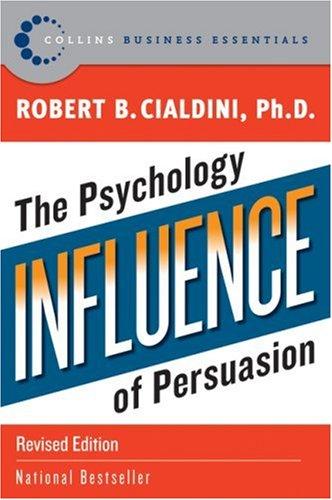
Influence: The Psychology of Persuasion
Robert B. Cialdini · Psychology
Influence is Robert Cialdini's account of why people say yes, and how that agreement is manufactured.
Cialdini's six principles of persuasion are the psychology underneath Voss's tactics, the reason mirroring and labeling actually move people.
Read the summary → - Getting to Yes: Negotiating Agreement Without Giving In
02
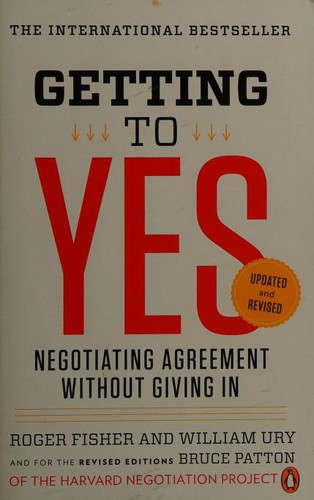
Getting to Yes: Negotiating Agreement Without Giving In
Roger Fisher and William Ury · Business
Getting to Yes emerged from the Harvard Negotiation Project in the late 1970s and laid out a method its authors called principled negotiation.
The principled-negotiation classic Voss defines himself against; reading both sides of the argument is the fastest way to sharpen your own approach.
Read the summary → - Difficult Conversations
03
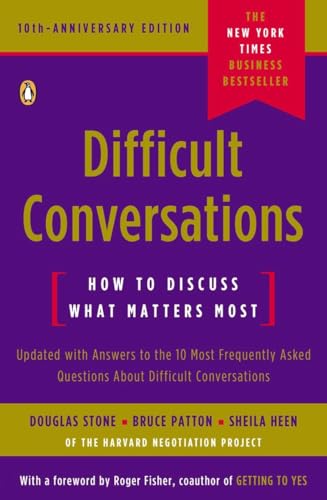
Douglas Stone, Bruce Patton, and Sheila Heen · Business
Difficult Conversations is the product of the Harvard Negotiation Project, the same research group that produced Getting to Yes.
The Harvard Negotiation Project on the emotional mechanics of hard talks, tactical empathy from the academic tradition Voss both borrows from and rejects.
Read the summary →
- Negotiating the Impossible
04
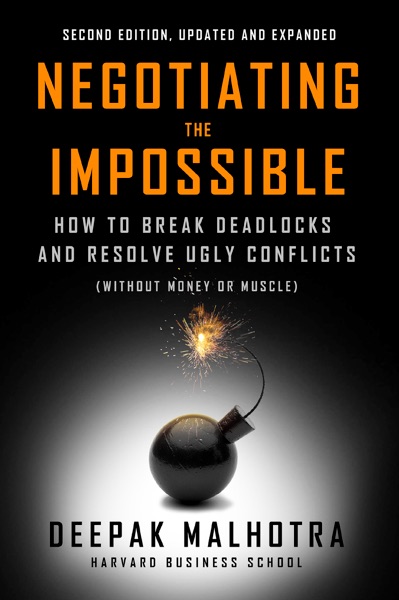
Deepak Malhotra · Business
Deepak Malhotra is a professor at Harvard Business School who has spent decades studying how people resolve conflicts that appear completely intractable.
Malhotra shows how to break deadlocks with no money, muscle, or leverage, using framing and process, a natural next move after Voss's playbook.
Read the summary → - Crucial Conversations: Tools for Talking When Stakes Are High
05
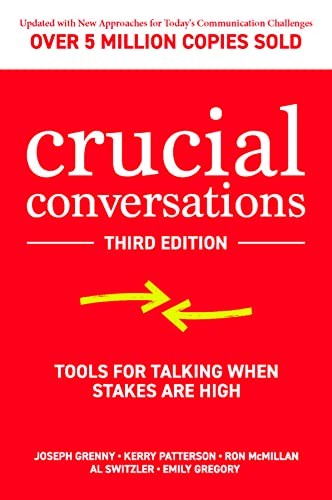
Crucial Conversations: Tools for Talking When Stakes Are High
Kerry Patterson, Joseph Grenny, Ron McMillan, and Al Switzler · Self-help
Crucial Conversations is a book about what to do when the stakes are high, emotions run strong, and opinions diverge.
A scriptable system for talking when stakes are high and emotions run hot, the everyday, boardroom version of Voss's hostage-line pressure.
Read the summary → - Pre-Suasion: A Revolutionary Way to Influence and Persuade
06
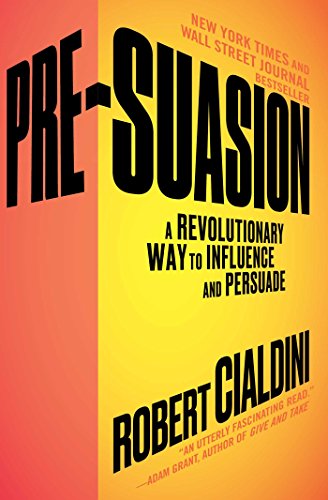
Pre-Suasion: A Revolutionary Way to Influence and Persuade
Robert B. Cialdini · Psychology
Robert Cialdini spent decades studying the principles of persuasion that animate Influence, his 1984 masterwork.
Cialdini's follow-up argues the moment before you make your case decides it, the attention-setting that quietly precedes Voss's calibrated questions.
Read the summary → - How to Win Friends and Influence People
07
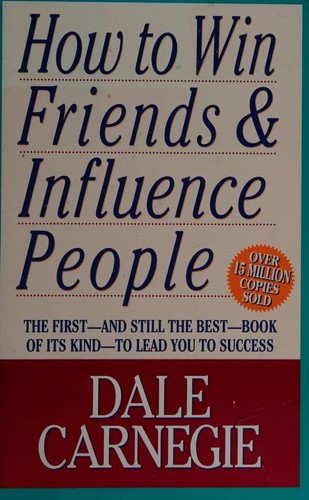
How to Win Friends and Influence People
Dale Carnegie · Self-help
How to Win Friends and Influence People is Dale Carnegie's 1936 guide to dealing with people effectively.
Carnegie's century-old advice to make the other person feel genuinely heard is the plain ancestor of Voss's tactical empathy.
Read the summary → - To Sell Is Human
08
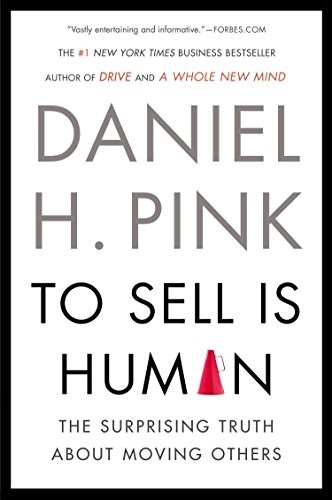
Daniel H. Pink · Business
To Sell Is Human is Daniel Pink's case that selling — in the broad sense of moving people to think or act differently — is central to what most of us do at work every day, whether or not our job title includes the word "sales." Drawing on Bureau of Labor Statistics data, Pink estimates that Americans spend roughly 40% of their work time in non-sales selling: persuading, convincing, and nudging.
Pink reframes persuasion as attunement and listening rather than pressure, the same insight that skilled negotiators are first of all skilled listeners.
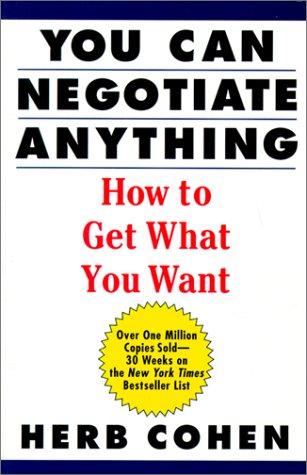
Read the summary → - You Can Negotiate Anything
09
Herb Cohen · Business
You Can Negotiate Anything is Herb Cohen's argument that negotiation is not a special skill reserved for diplomats and dealmakers but a basic life competence exercised continuously — in salary conversations, purchases, relationships, and workplace conflicts.
Herb Cohen's warm, practical classic treats everyday life as a series of negotiations, a friendlier companion to Voss's FBI intensity.
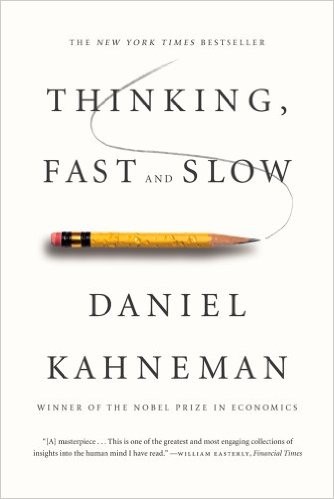
Read the summary → - Thinking, Fast and Slow
10
Daniel Kahneman · Psychology
Thinking, Fast and Slow is Daniel Kahneman's account of the two cognitive systems that govern human thought.
Kahneman on the fast, emotional System 1 that Voss insists actually drives every deal, no matter how rational the parties believe they are.
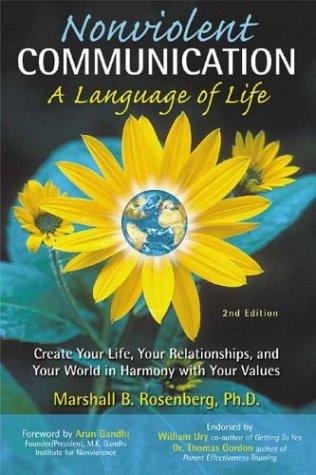
Read the summary → - Nonviolent Communication
11
Marshall B. Rosenberg · Self-help
Nonviolent Communication is Marshall Rosenberg's framework for communicating in ways that preserve connection and address needs rather than triggering defensiveness.
Rosenberg defuses conflict by naming feelings and needs aloud, essentially labeling emotions with a gentler vocabulary than Voss's.
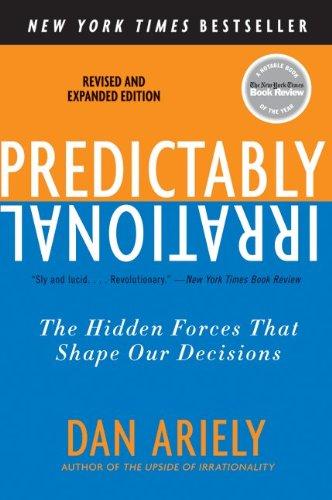
Read the summary → - Predictably Irrational
12
Dan Ariely · Psychology
Predictably Irrational is Dan Ariely's examination of how humans make decisions that are consistently, systematically irrational — not random or arbitrary, but irrational in ways that follow patterns.
Ariely's experiments document the systematic irrationality Voss is exploiting every time he insists a negotiation is emotional, not logical.
Read the summary →
Books like Never Split the Difference: quick answers
What are the best books like Never Split the Difference?
The best books like Never Split the Difference by Chris Voss are Influence: The Psychology of Persuasion by Robert B. Cialdini, Getting to Yes: Negotiating Agreement Without Giving In by Roger Fisher and William Ury, Difficult Conversations by Douglas Stone, Bruce Patton, and Sheila Heen, Negotiating the Impossible by Deepak Malhotra, Crucial Conversations: Tools for Talking When Stakes Are High by Kerry Patterson, Joseph Grenny, Ron McMillan, and Al Switzler, plus 7 more below. Each was chosen for themes it shares with Never Split the Difference, such as negotiation, persuasion, communication.
What should I read after Never Split the Difference?
A natural next read after Never Split the Difference is Influence: The Psychology of Persuasion by Robert B. Cialdini. Cialdini's six principles of persuasion are the psychology underneath Voss's tactics, the reason mirroring and labeling actually move people. Other strong choices are Getting to Yes: Negotiating Agreement Without Giving In by Roger Fisher and William Ury, Difficult Conversations by Douglas Stone, Bruce Patton, and Sheila Heen, Negotiating the Impossible by Deepak Malhotra.
What books are similar to Never Split the Difference by Chris Voss?
Never Split the Difference centers on negotiation, persuasion, communication. Books with a similar feel include Influence: The Psychology of Persuasion by Robert B. Cialdini, Getting to Yes: Negotiating Agreement Without Giving In by Roger Fisher and William Ury, Difficult Conversations by Douglas Stone, Bruce Patton, and Sheila Heen, Negotiating the Impossible by Deepak Malhotra, Crucial Conversations: Tools for Talking When Stakes Are High by Kerry Patterson, Joseph Grenny, Ron McMillan, and Al Switzler, Pre-Suasion: A Revolutionary Way to Influence and Persuade by Robert B. Cialdini — all free to read and chat with on Superbook.
