Book comparison
Outliers vs Peak
Read Peak if you want to get better at something, and Outliers if you want to understand why some people got the chance to; if you came for the 10,000-hour rule, read Peak, because it is Ericsson correcting Gladwell’s version of his own research.
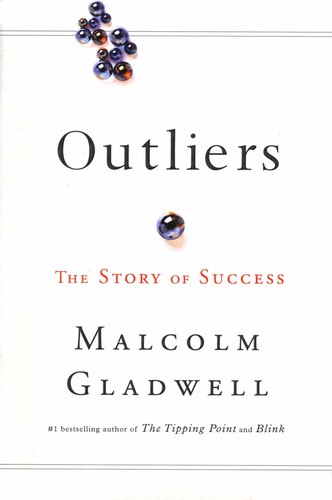
Outliers
Malcolm Gladwell
2008 · 5h 15m
Outliers is Malcolm Gladwell's argument that exceptional success is less a product of individual genius or drive than it is of hidden advantages, timing, and accumulated opportunity.
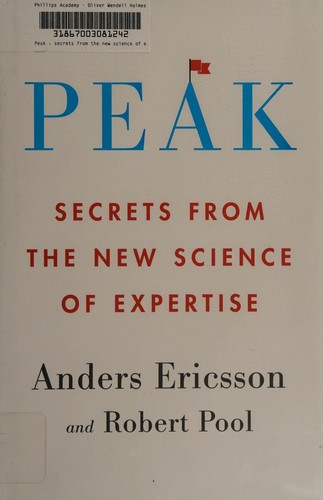
Peak
Anders Ericsson and Robert Pool
2016 · 5h 20m
Peak is Anders Ericsson's definitive account of deliberate practice — the specific type of focused, feedback-driven training that, more than any other factor.
Where they agree
Both are about extraordinary performance and both reject the idea that it comes from innate gift. They are also directly connected: the 10,000-hour chapter that made Outliers famous is a popularisation of Ericsson’s research on expert musicians, which is why the two books are so often named together.
Where they differ
Outliers is mostly not about practice. It is a book about luck and structural advantage, birth month and birth year, family class, cultural inheritance, being in the right place at a moment that would not repeat, and practice occupies one chapter of it. Peak is entirely about the mechanics of improvement: what makes practice deliberate rather than merely repeated, why feedback and usually a teacher are not optional, and what expert mental representations do. Ericsson also spends part of the book disputing the 10,000-hour figure, which was an average for one elite group at one age rather than a threshold anyone crosses. Gladwell is much the better storyteller; Ericsson is the source, and is drier and at times noticeably protective of his own field.
Which to read first
Peak, if you have a skill you actually intend to improve. Outliers is the more enjoyable read and the less actionable one, and taking it first tends to leave you holding the version of the research that Peak then has to undo.
Read Outliers if
You want a well-told argument about why success stories leave out timing, class and luck.
Read the summary →Read Peak if
You have something specific you want to get good at and want the research on how practice actually works.
Read the summary →Common questions
Should I read Outliers or Peak?
Read Peak if you want to get better at something, and Outliers if you want to understand why some people got the chance to; if you came for the 10,000-hour rule, read Peak, because it is Ericsson correcting Gladwell’s version of his own research.
What is the difference between Outliers and Peak?
Outliers is mostly not about practice. It is a book about luck and structural advantage, birth month and birth year, family class, cultural inheritance, being in the right place at a moment that would not repeat, and practice occupies one chapter of it. Peak is entirely about the mechanics of improvement: what makes practice deliberate rather than merely repeated, why feedback and usually a teacher are not optional, and what expert mental representations do. Ericsson also spends part of the book disputing the 10,000-hour figure, which was an average for one elite group at one age rather than a threshold anyone crosses. Gladwell is much the better storyteller; Ericsson is the source, and is drier and at times noticeably protective of his own field.
Which should I read first, Outliers or Peak?
Peak, if you have a skill you actually intend to improve. Outliers is the more enjoyable read and the less actionable one, and taking it first tends to leave you holding the version of the research that Peak then has to undo.
More like these: books like Outliers, books like Peak, or every comparison.
