Book comparison
The Lean Startup vs Zero to One
Read Zero to One to decide whether an idea is worth pursuing, and The Lean Startup to find out whether the thing you are building is the thing anyone wants.
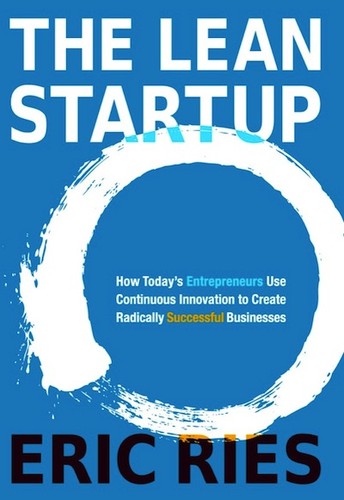
The Lean Startup
Eric Ries
2011 · 5h 0m
The Lean Startup is Eric Ries's argument that the biggest cause of startup failure is not building the wrong product.
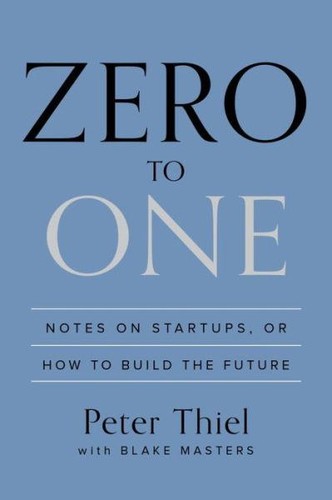
Zero to One
Peter Thiel
2014 · 4h 15m
Zero to One began as notes from a Stanford course Thiel taught on startups in 2012, assembled into a book with co-author Blake Masters.
Where they agree
Both are canonical startup books from the same short era, written by practitioners, and both open by rejecting the same target: the written business plan executed as forecast. Both accept that a new venture operates under conditions where normal management and normal accounting tell you almost nothing useful. They are the two books most often recommended together, and they disagree.
Where they differ
Ries offers a process for reducing uncertainty when you do not yet know what to build — build, measure, learn, with a minimum viable product, cohort-based measurement rather than vanity metrics, and a pivot when the evidence disproves you. Thiel argues the process is itself the problem: iteration on small improvements produces small businesses, and the ventures that matter come from a contrarian view of the future, executed toward a monopoly position defended by technology and distribution. He says so directly, treating lean orthodoxy as a substitute for having a plan. In practice they answer different questions — Ries gives you a method for tomorrow morning, Thiel gives you a set of questions about whether the whole enterprise has any durable advantage.
Which to read first
Zero to One. It is shorter, sharper and better written, and it forces the strategic question before you spend two years validating your way toward a commodity. Then read Ries for the execution discipline. If you already have a committed idea and real users in front of you, invert that and start with The Lean Startup.
Read The Lean Startup if
You are building something now, guessing about what to ship next, and need a way to stop confusing activity with progress.
Read the summary →Read Zero to One if
You are earlier than that, and want to interrogate whether your idea can ever be more than one of several similar companies competing away their margins.
Read the summary →Common questions
Should I read The Lean Startup or Zero to One?
Read Zero to One to decide whether an idea is worth pursuing, and The Lean Startup to find out whether the thing you are building is the thing anyone wants.
What is the difference between The Lean Startup and Zero to One?
Ries offers a process for reducing uncertainty when you do not yet know what to build — build, measure, learn, with a minimum viable product, cohort-based measurement rather than vanity metrics, and a pivot when the evidence disproves you. Thiel argues the process is itself the problem: iteration on small improvements produces small businesses, and the ventures that matter come from a contrarian view of the future, executed toward a monopoly position defended by technology and distribution. He says so directly, treating lean orthodoxy as a substitute for having a plan. In practice they answer different questions — Ries gives you a method for tomorrow morning, Thiel gives you a set of questions about whether the whole enterprise has any durable advantage.
Which should I read first, The Lean Startup or Zero to One?
Zero to One. It is shorter, sharper and better written, and it forces the strategic question before you spend two years validating your way toward a commodity. Then read Ries for the execution discipline. If you already have a committed idea and real users in front of you, invert that and start with The Lean Startup.
More like these: books like The Lean Startup, books like Zero to One, or every comparison.
