Business · Similar reads
Books like Zero to One: Notes on Startups, or How to Build the Future
The best books like Zero to One: Notes on Startups, or How to Build the Future are The Lean Startup, The Hard Thing About Hard Things, and Blue Ocean Strategy. Zero to One: Notes on Startups, or How to Build the Future by Peter Thiel is about monopoly, startups, innovation. If that's what drew you in, here are 12 books that share its DNA — each summarized on Superbook, and ready to chat with in the app.
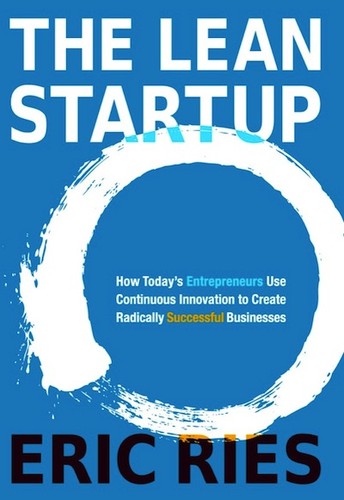
- The Lean Startup
01
Eric Ries · Business
The Lean Startup is Eric Ries's argument that the biggest cause of startup failure is not building the wrong product — it's spending months or years building something before finding out whether anyone wants it.
Eric Ries prescribes validated learning and rapid iteration — the disciplined opposite of Thiel's bet-everything-on-a-hidden-secret. Reading both maps the central founder argument.
Read the summary → - The Hard Thing About Hard Things
02
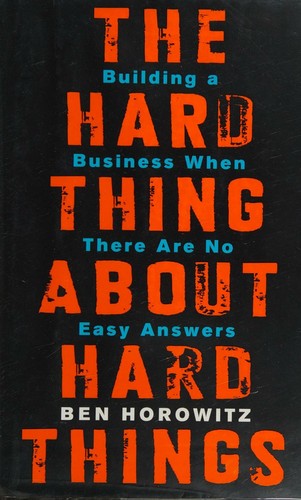
The Hard Thing About Hard Things
Ben Horowitz · Business
The Hard Thing About Hard Things is Ben Horowitz's account of what it actually feels like to run a company through crisis.
Ben Horowitz supplies the wartime-CEO grit — layoffs, near-death pivots, brutal calls — that Thiel's high-altitude manifesto leaves out. Vision from Thiel, survival from Horowitz.
Read the summary → - Blue Ocean Strategy
03
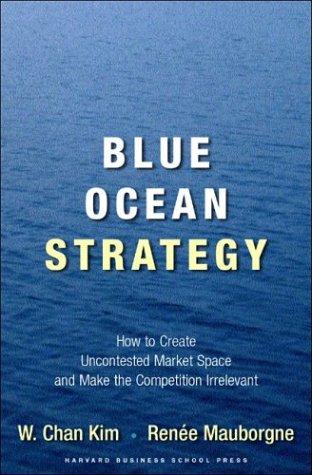
W. Chan Kim and Renée Mauborgne · Business
Blue Ocean Strategy is Kim and Mauborgne's case that the most successful companies don't compete in existing markets by beating rivals at their own game — they create new market spaces where competition is irrelevant.
Kim and Mauborgne's 'uncontested market space' is Thiel's escape-competition monopoly in academic strategy dress: create demand nobody's fighting over rather than battling for share.
Read the summary →
- The Innovator's Dilemma
04
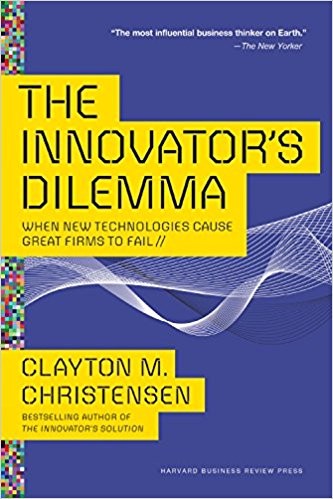
Clayton M. Christensen · Business
Christensen's argument, published in 1997, is deceptively simple: the very practices that make companies excellent at serving their current customers — listening carefully, investing in proven technologies, targeting the most profitable segments — are precisely what causes them to miss disruptive innovations.
Clayton Christensen explains why incumbents miss disruptive shifts, giving structural theory to Thiel's claim that genuine newcomers, not imitators, are the ones who create the future.
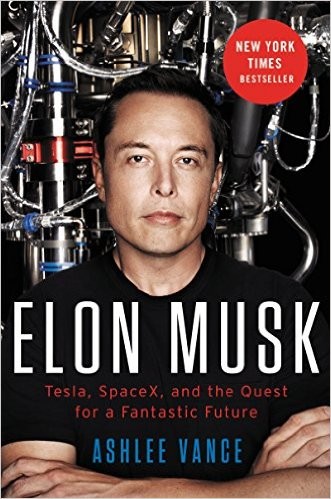
Read the summary → - Elon Musk: Tesla, SpaceX, and the Quest for a Fantastic Future
05
Elon Musk: Tesla, SpaceX, and the Quest for a Fantastic Future
Ashlee Vance · Biography
Ashlee Vance's biography of Elon Musk is the most comprehensive account of Musk's life and companies up to 2015, written with Musk's cooperation after an initial refusal and a long negotiation.
Ashlee Vance profiles Thiel's PayPal co-founder building rockets and electric cars — the 'definite optimism' and atoms-not-bits ambition that Zero to One preaches, actually lived out.
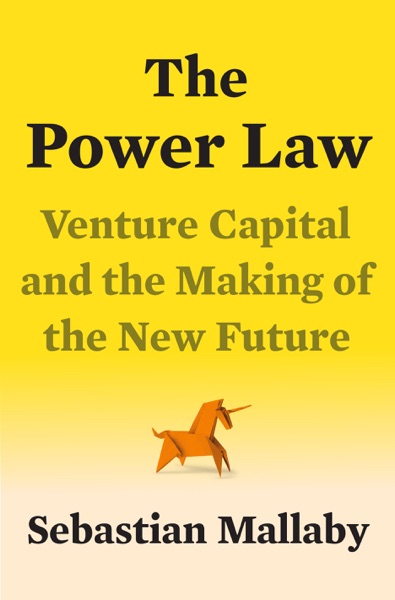
Read the summary → - The Power Law
06
Sebastian Mallaby · Business
The Power Law is Sebastian Mallaby's history of venture capital, told through the people who built the industry from its roots in postwar military research to its current position as the primary financing mechanism for technology startups worldwide.
Sebastian Mallaby's history of venture capital dramatizes the power law Thiel devotes a chapter to: a handful of monopoly outcomes return the entire fund. Founders Fund included.
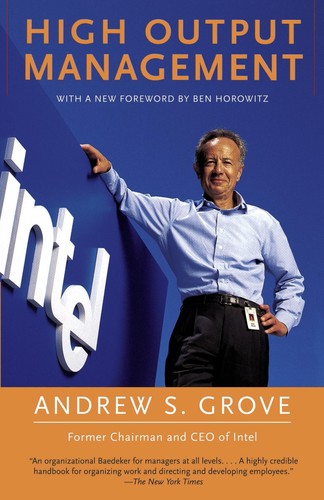
Read the summary → - High Output Management
07
Andrew S. Grove · Business
High Output Management is Andrew Grove's manual for how managers at any level should think about their work.
Andy Grove — a Thiel hero — turns manifesto into machinery, showing how to actually run the high-leverage teams a monopoly needs. The operating manual beneath the grand vision.
Read the summary → - The Cold Start Problem

08
Andrew Chen · Business
The Cold Start Problem is Andrew Chen's framework for understanding network effects — the phenomenon where products become more valuable as more people use them — and the specific challenge every such product faces at launch: it has no network, and no value, until it does.
Andrew Chen dissects network effects, one of Thiel's four monopoly strengths, into a playbook for igniting them — how a company reaches the escape velocity Zero to One only names.
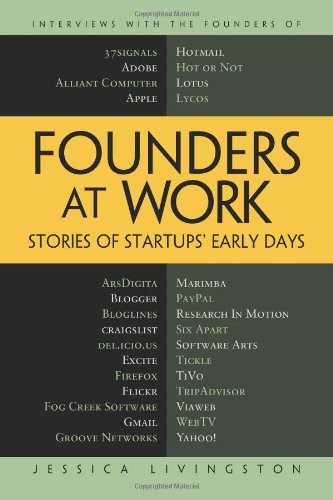
Read the summary → - Founders at Work: Stories of Startups' Early Days
09
Founders at Work: Stories of Startups' Early Days
Jessica Livingston · Business
Founders at Work is Jessica Livingston's collection of interviews with the founders of some of the most influential technology companies of the late twentieth and early twenty-first centuries.
Jessica Livingston's founder interviews are Thiel's 'founders matter' thesis as primary source: the stubborn, eccentric personalities behind early Apple, PayPal and more, in their own words.
Read the summary → - The Everything Store: Jeff Bezos and the Age of Amazon
10
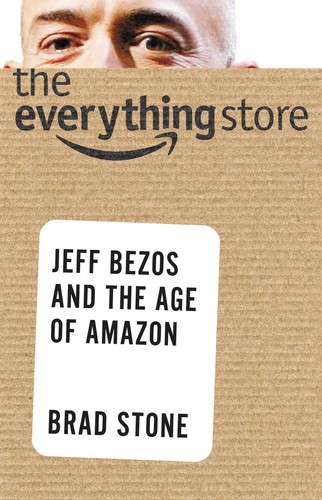
The Everything Store: Jeff Bezos and the Age of Amazon
Brad Stone · Business
The Everything Store is Brad Stone's account of Amazon's founding and growth from a book retailer to one of the most powerful companies in the world.
Brad Stone's Amazon chronicle is Thiel's playbook executed at scale — dominate one niche, books, then expand relentlessly toward monopoly across everything adjacent.
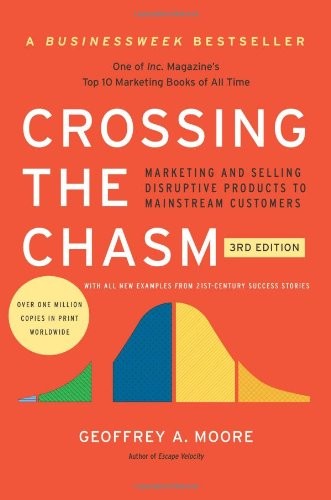
Read the summary → - Crossing the Chasm
11
Geoffrey A. Moore · Business
Crossing the Chasm is Geoffrey Moore's analysis of why so many technology companies succeed with early adopters and then stall before reaching mainstream customers.
Geoffrey Moore's beachhead strategy operationalizes Thiel's rule to own a tiny market first: how a niche monopoly actually crosses into the mainstream instead of stalling.
Read the summary → - Antifragile: Things That Gain from Disorder
12
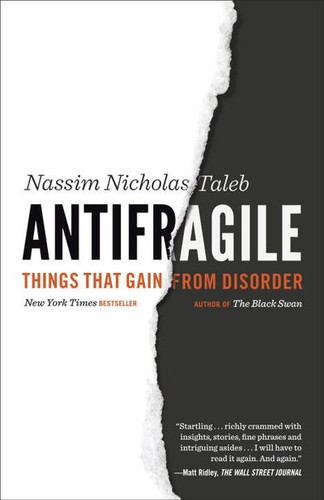
Antifragile: Things That Gain from Disorder
Nassim Nicholas Taleb · Philosophy
Antifragile is Nassim Nicholas Taleb's argument that the opposite of fragile is not robust or resilient — it is antifragile.
Nassim Taleb is the sharpest rebuttal to Thiel's definite optimism — you can't plan the future, so build optionality and let disorder work for you. Secret-you-can-know versus serendipity.
Read the summary →
Books like Zero to One: Notes on Startups, or How to Build the Future: quick answers
What are the best books like Zero to One: Notes on Startups, or How to Build the Future?
The best books like Zero to One: Notes on Startups, or How to Build the Future by Peter Thiel are The Lean Startup by Eric Ries, The Hard Thing About Hard Things by Ben Horowitz, Blue Ocean Strategy by W. Chan Kim and Renée Mauborgne, The Innovator's Dilemma by Clayton M. Christensen, Elon Musk: Tesla, SpaceX, and the Quest for a Fantastic Future by Ashlee Vance, plus 7 more below. Each was chosen for themes it shares with Zero to One: Notes on Startups, or How to Build the Future, such as monopoly, startups, innovation.
What should I read after Zero to One: Notes on Startups, or How to Build the Future?
A natural next read after Zero to One: Notes on Startups, or How to Build the Future is The Lean Startup by Eric Ries. Eric Ries prescribes validated learning and rapid iteration — the disciplined opposite of Thiel's bet-everything-on-a-hidden-secret. Reading both maps the central founder argument. Other strong choices are The Hard Thing About Hard Things by Ben Horowitz, Blue Ocean Strategy by W. Chan Kim and Renée Mauborgne, The Innovator's Dilemma by Clayton M. Christensen.
What books are similar to Zero to One: Notes on Startups, or How to Build the Future by Peter Thiel?
Zero to One: Notes on Startups, or How to Build the Future centers on monopoly, startups, innovation. Books with a similar feel include The Lean Startup by Eric Ries, The Hard Thing About Hard Things by Ben Horowitz, Blue Ocean Strategy by W. Chan Kim and Renée Mauborgne, The Innovator's Dilemma by Clayton M. Christensen, Elon Musk: Tesla, SpaceX, and the Quest for a Fantastic Future by Ashlee Vance, The Power Law by Sebastian Mallaby — all free to read and chat with on Superbook.
