Science · Similar reads
Books like Are We Smart Enough to Know How Smart Animals Are?
The best books like Are We Smart Enough to Know How Smart Animals Are? are Other Minds: The Octopus, the Sea, and the Deep Origins of Consciousness, The Soul of an Octopus: A Surprising Exploration into the Wonder of Consciousness, and Behave: The Biology of Humans at Our Best and Worst. Are We Smart Enough to Know How Smart Animals Are? by Frans de Waal is about animal cognition, evolution, intelligence. If that's what drew you in, here are 12 books that share its DNA — each summarized on Superbook, and ready to chat with in the app.
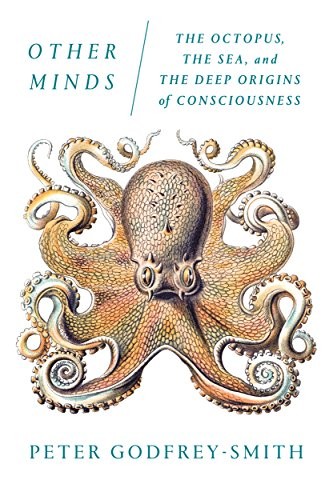
- Other Minds: The Octopus, the Sea, and the Deep Origins of Consciousness
01
Other Minds: The Octopus, the Sea, and the Deep Origins of Consciousness
Peter Godfrey-Smith · Science
Peter Godfrey-Smith is a philosopher of science and a scuba diver who began spending time with octopuses off the coast of Sydney, and Other Minds is the result of that dual perspective.
Shares animal cognition and evolution with Are We Smart Enough to Know How Smart Animals Are?.
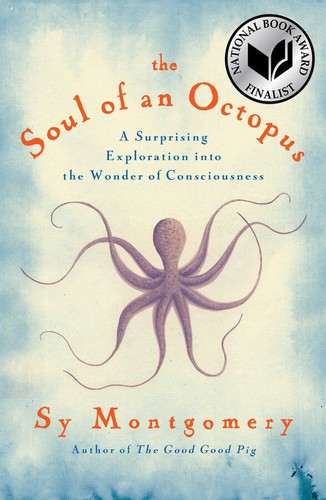
Read the summary → - The Soul of an Octopus: A Surprising Exploration into the Wonder of Consciousness
02
The Soul of an Octopus: A Surprising Exploration into the Wonder of Consciousness
Sy Montgomery · Science
Sy Montgomery is a naturalist and author who began spending time at the New England Aquarium to get to know a giant Pacific octopus named Athena.
A kindred science read.
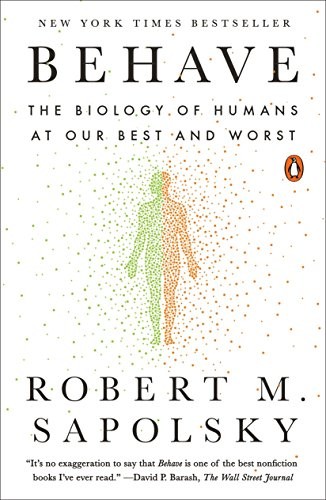
Read the summary → - Behave: The Biology of Humans at Our Best and Worst
03
Behave: The Biology of Humans at Our Best and Worst
Robert M. Sapolsky · Science
Behave is Robert Sapolsky's attempt to explain why humans do what they do — the violence, the altruism, the tribalism, the heroism — by working through every layer of biology that contributes to a single act.
Both dig into evolution.
Read the summary →
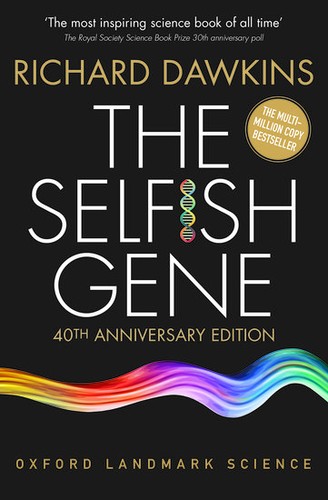
- The Selfish Gene
04
Richard Dawkins · Science
The Selfish Gene reframes evolution from the organism's point of view to the gene's.
Both dig into evolution.
Read the summary → - The Blind Watchmaker
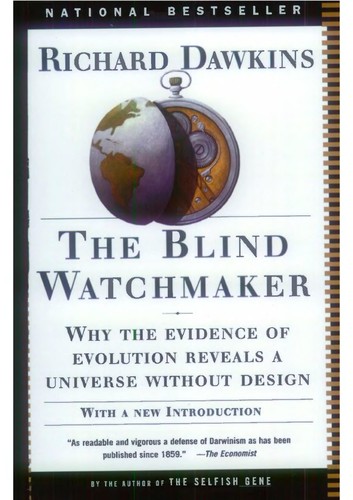
05
Richard Dawkins · Science
The Blind Watchmaker is Richard Dawkins's argument that natural selection — cumulative, non-random selection acting on random variation — is sufficient to explain the apparent design in biological organisms.
Both dig into evolution.
Read the summary → - A Crack in Creation: Gene Editing and the Unthinkable Power to Control Evolution
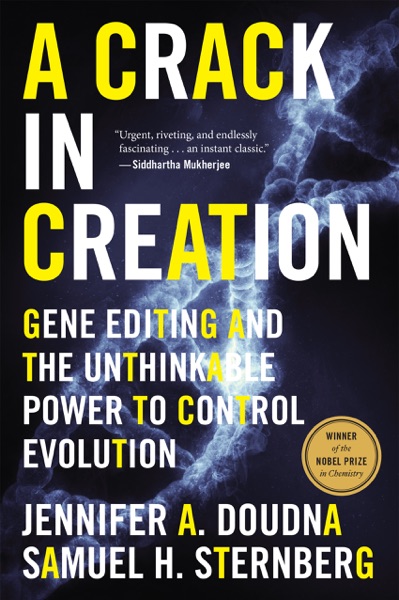
06
A Crack in Creation: Gene Editing and the Unthinkable Power to Control Evolution
Jennifer A. Doudna and Samuel H. Sternberg · Science
A Crack in Creation is Jennifer Doudna and Samuel Sternberg's account of how CRISPR-Cas9 works, what it can do, and why its possibilities should give everyone pause.
Both dig into evolution.
Read the summary → - A Short History of Nearly Everything
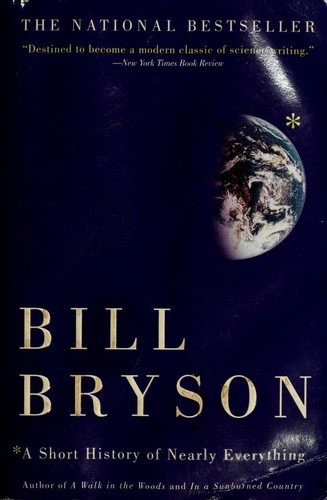
07
A Short History of Nearly Everything
Bill Bryson · Science
A Short History of Nearly Everything is Bill Bryson's attempt to understand the scientific story of everything — from the Big Bang to the emergence of modern humans — by spending three years talking to scientists and reading science history.
Both dig into evolution.
Read the summary → - Climbing Mount Improbable
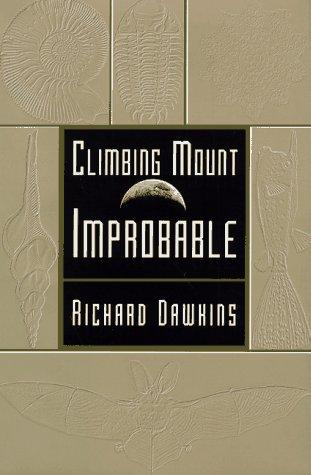
08
Richard Dawkins · Science
Climbing Mount Improbable is Richard Dawkins's response to the persistent intuition that complex biological structures — the vertebrate eye, insect wings, spider webs — are too improbable to have evolved by chance.
Both dig into evolution.
Read the summary → - Cosmos
09
Carl Sagan · Science
Cosmos is Carl Sagan's attempt to tell the full story of the universe and humanity's place in it — from the Big Bang to the origins of life to the rise of science as a way of knowing.
Both dig into evolution.
Read the summary → - From Bacteria to Bach and Back
10
From Bacteria to Bach and Back
Daniel C. Dennett · Science
Daniel Dennett's 2017 book is his most comprehensive attempt to explain how minds — conscious, intentional, creative minds — could have evolved from mindless matter without any homunculus, soul, or top-down designer.
Both dig into evolution.
Read the summary → - Life Ascending
11
Nick Lane · Science
Life Ascending is Nick Lane's examination of what he calls evolution's ten greatest inventions: the origin of life itself, DNA, photosynthesis, the complex cell, sex, movement, sight, hot blood, consciousness, and death.
Both dig into evolution.
Read the summary → - Nature via Nurture: Genes, Experience, and What Makes Us Human
12
Nature via Nurture: Genes, Experience, and What Makes Us Human
Matt Ridley · Science
Matt Ridley's central argument is that the nature versus nurture debate has been framed wrong for over a century.
Both dig into evolution.
Read the summary →
Books like Are We Smart Enough to Know How Smart Animals Are?: quick answers
What are the best books like Are We Smart Enough to Know How Smart Animals Are??
The best books like Are We Smart Enough to Know How Smart Animals Are? by Frans de Waal are Other Minds: The Octopus, the Sea, and the Deep Origins of Consciousness by Peter Godfrey-Smith, The Soul of an Octopus: A Surprising Exploration into the Wonder of Consciousness by Sy Montgomery, Behave: The Biology of Humans at Our Best and Worst by Robert M. Sapolsky, The Selfish Gene by Richard Dawkins, The Blind Watchmaker by Richard Dawkins, plus 7 more below. Each was chosen for themes it shares with Are We Smart Enough to Know How Smart Animals Are?, such as animal cognition, evolution, intelligence.
What should I read after Are We Smart Enough to Know How Smart Animals Are??
A natural next read after Are We Smart Enough to Know How Smart Animals Are? is Other Minds: The Octopus, the Sea, and the Deep Origins of Consciousness by Peter Godfrey-Smith. Shares animal cognition and evolution with Are We Smart Enough to Know How Smart Animals Are?. Other strong choices are The Soul of an Octopus: A Surprising Exploration into the Wonder of Consciousness by Sy Montgomery, Behave: The Biology of Humans at Our Best and Worst by Robert M. Sapolsky, The Selfish Gene by Richard Dawkins.
What books are similar to Are We Smart Enough to Know How Smart Animals Are? by Frans de Waal?
Are We Smart Enough to Know How Smart Animals Are? centers on animal cognition, evolution, intelligence. Books with a similar feel include Other Minds: The Octopus, the Sea, and the Deep Origins of Consciousness by Peter Godfrey-Smith, The Soul of an Octopus: A Surprising Exploration into the Wonder of Consciousness by Sy Montgomery, Behave: The Biology of Humans at Our Best and Worst by Robert M. Sapolsky, The Selfish Gene by Richard Dawkins, The Blind Watchmaker by Richard Dawkins, A Crack in Creation: Gene Editing and the Unthinkable Power to Control Evolution by Jennifer A. Doudna and Samuel H. Sternberg — all free to read and chat with on Superbook.
