Psychology · Similar reads
Books like Atlas of the Heart
The best books like Atlas of the Heart are Daring Greatly, Dare to Lead, and Emotional Intelligence. Atlas of the Heart by Brené Brown is about emotions, vulnerability, connection. If that's what drew you in, here are 12 books that share its DNA — each summarized on Superbook, and ready to chat with in the app.
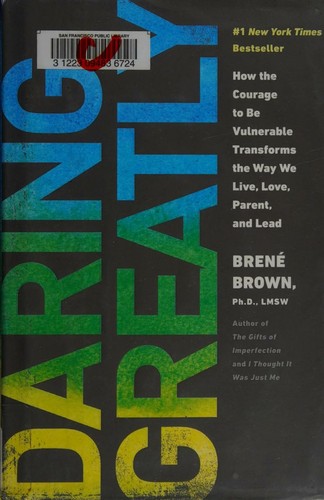
- Daring Greatly
01
Brené Brown · Health
Daring Greatly is Brené Brown's argument, drawn from twelve years of qualitative research on shame and vulnerability, that the willingness to show up without guarantees — to be seen, to risk failure, to remain open in the presence of uncertainty — is not weakness but the foundation of courage, connection, and meaningful achievement.
Shares vulnerability and connection with Atlas of the Heart.
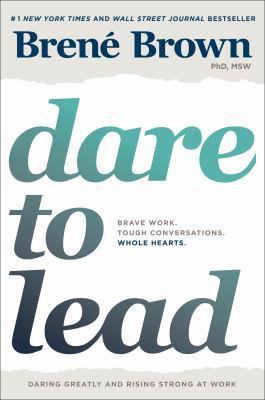
Read the summary → - Dare to Lead
02
Brené Brown · Business
Dare to Lead is Brené Brown's application of her research on vulnerability and courage to the specific context of leadership.
Both dig into vulnerability.
Read the summary → - Emotional Intelligence
03
Daniel Goleman · Psychology
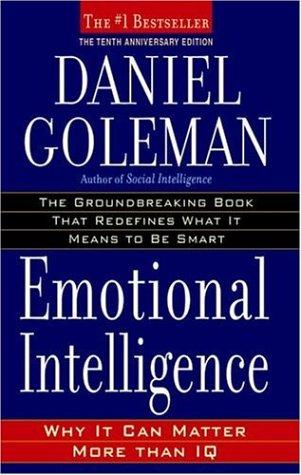
Daniel Goleman's Emotional Intelligence, published in 1995, made a widely influential argument: that the cluster of abilities involved in managing emotions — self-awareness, self-regulation, empathy, and social skill — predicts life outcomes at least as well as IQ, and possibly better in many domains.
Both dig into self-awareness.
Read the summary →
- Nonviolent Communication
04
Marshall B. Rosenberg · Self-help
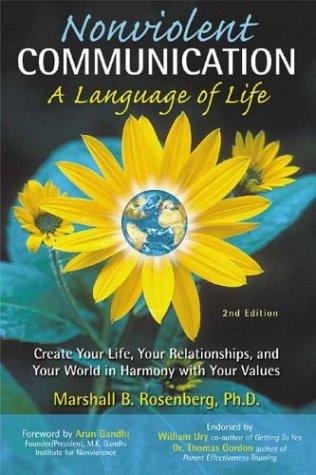
Nonviolent Communication is Marshall Rosenberg's framework for communicating in ways that preserve connection and address needs rather than triggering defensiveness.
Both dig into self-awareness.
Read the summary → - I Thought It Was Just Me (but it isn't)
05
I Thought It Was Just Me (but it isn't)
Brené Brown · Psychology
I Thought It Was Just Me is Brené Brown's first major book, written from her research on shame as a social scientist.
Shares vulnerability and connection with Atlas of the Heart.
Read the summary → - Rising Strong
06
Brené Brown · Self-help
Rising Strong is the third book in Brené Brown's vulnerability-and-courage sequence, following The Gifts of Imperfection and Daring Greatly.
Shares vulnerability and self-awareness with Atlas of the Heart.
Read the summary → - Good Inside: A Guide to Becoming the Parent You Want to Be

07
Good Inside: A Guide to Becoming the Parent You Want to Be
Becky Kennedy · Psychology
Good Inside is clinical psychologist Becky Kennedy's guide to a parenting philosophy built around one central premise: children are fundamentally good inside, and difficult behaviors are not character flaws or manipulation but signals of unmet needs or underdeveloped skills.
Both dig into connection.
Read the summary → - Good Reasons for Bad Feelings: Insights from the Frontier of Evolutionary Psychiatry

08
Good Reasons for Bad Feelings: Insights from the Frontier of Evolutionary Psychiatry
Randolph M. Nesse · Psychology
Randolph Nesse spent forty years as a psychiatrist and evolutionary biologist asking a question most of his colleagues found strange: why did natural selection leave us so vulnerable to anxiety, depression, and other forms of suffering?
Both dig into emotions.
Read the summary → - How Emotions Are Made: The Secret Life of the Brain
09
How Emotions Are Made: The Secret Life of the Brain
Lisa Feldman Barrett · Psychology
Lisa Feldman Barrett is a neuroscientist and psychologist at Northeastern University who has spent thirty years studying emotion, and her conclusion challenges the most widely held view of what emotions are.
Both dig into emotions.
Read the summary → - Immunity to Change
10
Robert Kegan and Lisa Laskow Lahey · Psychology
Immunity to Change is Robert Kegan and Lisa Laskow Lahey's attempt to explain why intelligent, motivated people fail to change behavior they genuinely want to change.
Both dig into self-awareness.
Read the summary → - Mindsight: The New Science of Personal Transformation
11
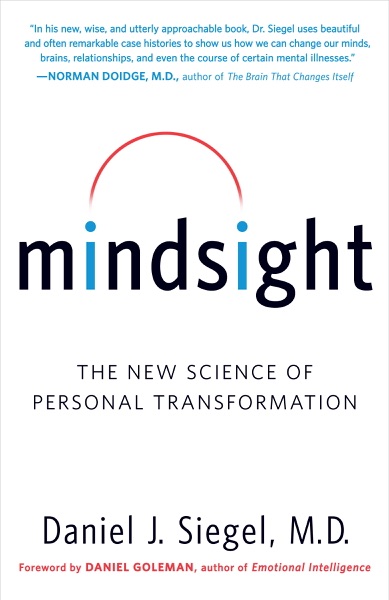
Mindsight: The New Science of Personal Transformation
Daniel J. Siegel · Psychology
Mindsight is Daniel Siegel's case that humans have a distinct capacity he calls "mindsight" — the ability to sense and shape one's own mental processes and to perceive the inner lives of others.
Both dig into self-awareness.
Read the summary → - Running on Empty: Overcome Your Childhood Emotional Neglect
12
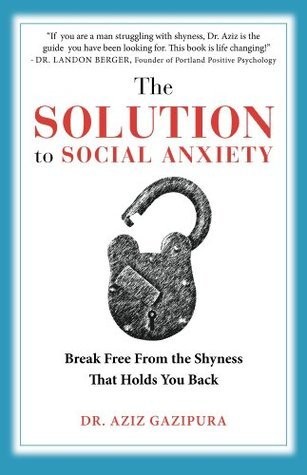
Running on Empty: Overcome Your Childhood Emotional Neglect
Jonice Webb · Psychology
Jonice Webb's argument is that many people who feel chronically empty, numb, or fundamentally different from others were not abused in childhood but neglected — specifically, emotionally neglected.
Both dig into self-awareness.
Read the summary →
Books like Atlas of the Heart: quick answers
What are the best books like Atlas of the Heart?
The best books like Atlas of the Heart by Brené Brown are Daring Greatly by Brené Brown, Dare to Lead by Brené Brown, Emotional Intelligence by Daniel Goleman, Nonviolent Communication by Marshall B. Rosenberg, I Thought It Was Just Me (but it isn't) by Brené Brown, plus 7 more below. Each was chosen for themes it shares with Atlas of the Heart, such as emotions, vulnerability, connection.
What should I read after Atlas of the Heart?
A natural next read after Atlas of the Heart is Daring Greatly by Brené Brown. Shares vulnerability and connection with Atlas of the Heart. Other strong choices are Dare to Lead by Brené Brown, Emotional Intelligence by Daniel Goleman, Nonviolent Communication by Marshall B. Rosenberg.
What books are similar to Atlas of the Heart by Brené Brown?
Atlas of the Heart centers on emotions, vulnerability, connection. Books with a similar feel include Daring Greatly by Brené Brown, Dare to Lead by Brené Brown, Emotional Intelligence by Daniel Goleman, Nonviolent Communication by Marshall B. Rosenberg, I Thought It Was Just Me (but it isn't) by Brené Brown, Rising Strong by Brené Brown — all free to read and chat with on Superbook.
