Science · Similar reads
Books like Breath: The New Science of a Lost Art
The best books like Breath: The New Science of a Lost Art are Why We Sleep, Outlive: The Science and Art of Longevity, and The Body Keeps the Score. Breath: The New Science of a Lost Art by James Nestor is about breathing, human physiology, health optimization. If that's what drew you in, here are 12 books that share its DNA — each summarized on Superbook, and ready to chat with in the app.
- Why We Sleep
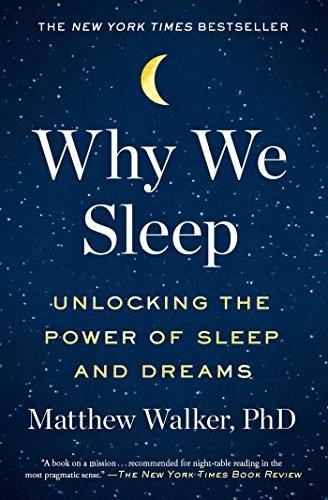
01
Matthew Walker · Science
Why We Sleep is Matthew Walker's attempt to do for sleep what no amount of public health messaging has managed: make people genuinely afraid of what they're losing.
A kindred science read.
Read the summary → - Outlive: The Science and Art of Longevity
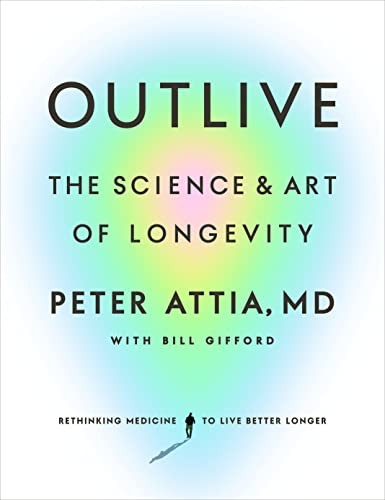
02
Outlive: The Science and Art of Longevity
Peter Attia · Health
Peter Attia's Outlive is a book about how most people approach longevity backwards.
A kindred science read.
Read the summary → - The Body Keeps the Score
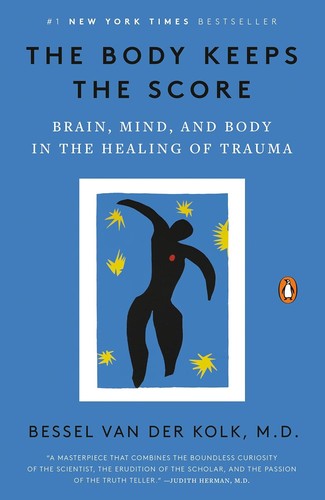
03
Bessel van der Kolk · Psychology
The Body Keeps the Score is Bessel van der Kolk's account of four decades spent studying and treating trauma, from Vietnam veterans at the VA in the 1970s to survivors of childhood abuse, accidents, and domestic violence.
A kindred science read.
Read the summary →
- Lifespan: Why We Age—and Why We Don't Have To
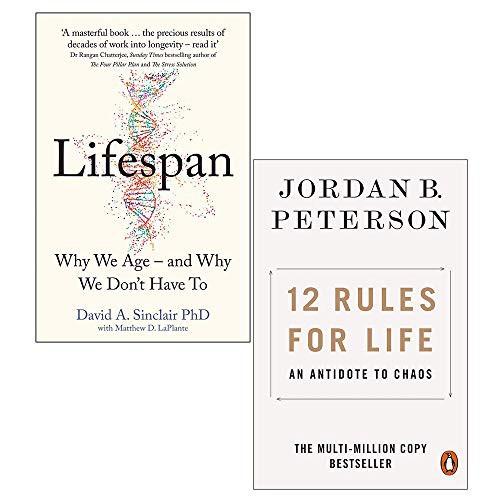
04
Lifespan: Why We Age—and Why We Don't Have To
David A. Sinclair · Science
Lifespan opens with a bold claim: aging is not an inevitable feature of biology but a disease — one that can be treated, slowed, and possibly reversed.
A kindred science read.
Read the summary → - Bonk: The Curious Coupling of Science and Sex
05
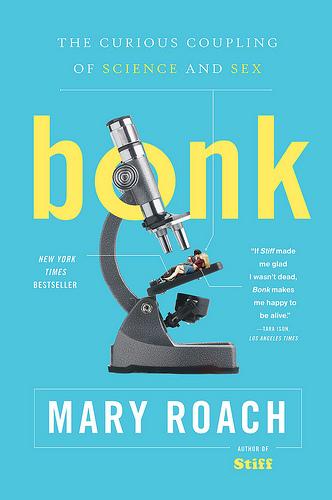
Bonk: The Curious Coupling of Science and Sex
Mary Roach · Science
Bonk is Mary Roach's investigation into the science of human sexuality — not the pop psychology of relationships, but the actual research: what scientists have done inside laboratory settings to understand how sex works, what they've discovered, and why the field has been so difficult to pursue given institutional and cultural resistance.
Both dig into biology.
Read the summary → - Climbing Mount Improbable
06
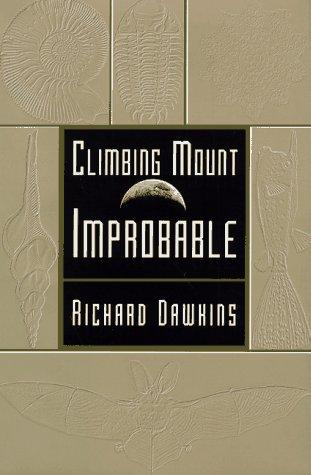
Richard Dawkins · Science
Climbing Mount Improbable is Richard Dawkins's response to the persistent intuition that complex biological structures — the vertebrate eye, insect wings, spider webs — are too improbable to have evolved by chance.
Both dig into biology.
Read the summary → - Gut
07
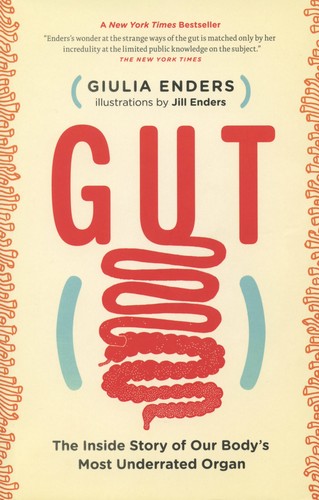
Giulia Enders · Science
Giulia Enders wrote Gut while studying medicine, and the book shows: it is both scientifically informed and written with an enthusiasm that has clearly not yet been worn down by clinical routine.
Both dig into biology.
Read the summary → - Scale
08
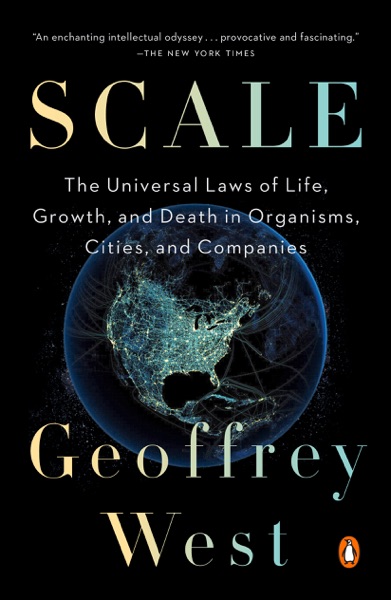
Geoffrey West · Science
Geoffrey West is a theoretical physicist who spent decades at Los Alamos and the Santa Fe Institute studying whether there are mathematical laws underlying all complex systems — organisms, cities, companies — and finding that the answer appears to be yes.
Both dig into biology.
Read the summary → - The Greatest Show on Earth: The Evidence for Evolution
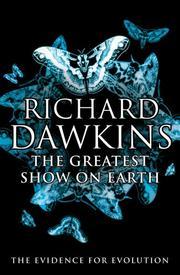
09
The Greatest Show on Earth: The Evidence for Evolution
Richard Dawkins · Science
The Greatest Show on Earth is Richard Dawkins's systematic presentation of the evidence for evolution by natural selection.
Both dig into biology.
Read the summary → - The First 20 Minutes
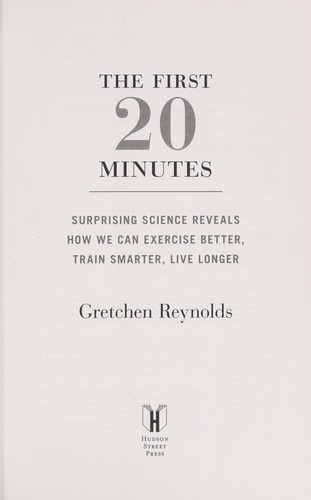
10
Gretchen Reynolds · Health
The First 20 Minutes is Gretchen Reynolds's survey of exercise science research, organized around the finding that the greatest health benefits of physical activity come from the first twenty minutes of movement — and that beyond a certain threshold of exercise, health gains plateau or even reverse.
Both dig into health optimization.
Read the summary → - A Brief History of Time
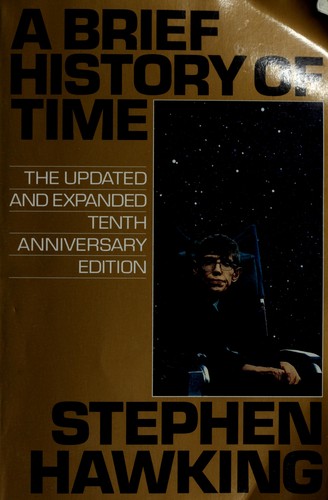
11
Stephen Hawking · Science
A Brief History of Time is Stephen Hawking's attempt to explain the biggest questions in physics — where the universe came from, how it behaves, and where it might be going — to readers with no scientific training.
A kindred science read.
Read the summary → - A Crack in Creation: Gene Editing and the Unthinkable Power to Control Evolution
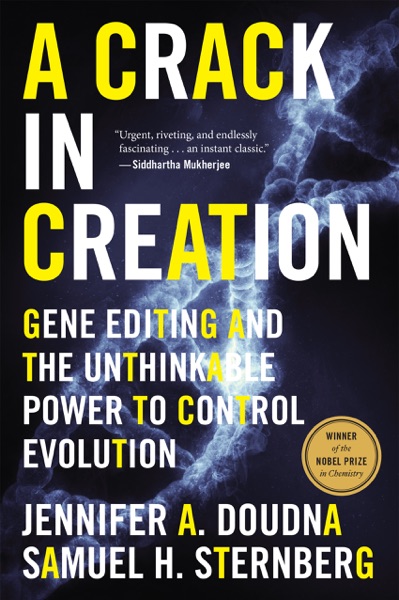
12
A Crack in Creation: Gene Editing and the Unthinkable Power to Control Evolution
Jennifer A. Doudna and Samuel H. Sternberg · Science
A Crack in Creation is Jennifer Doudna and Samuel Sternberg's account of how CRISPR-Cas9 works, what it can do, and why its possibilities should give everyone pause.
A kindred science read.
Read the summary →
Books like Breath: The New Science of a Lost Art: quick answers
What are the best books like Breath: The New Science of a Lost Art?
The best books like Breath: The New Science of a Lost Art by James Nestor are Why We Sleep by Matthew Walker, Outlive: The Science and Art of Longevity by Peter Attia, The Body Keeps the Score by Bessel van der Kolk, Lifespan: Why We Age—and Why We Don't Have To by David A. Sinclair, Bonk: The Curious Coupling of Science and Sex by Mary Roach, plus 7 more below. Each was chosen for themes it shares with Breath: The New Science of a Lost Art, such as breathing, human physiology, health optimization.
What should I read after Breath: The New Science of a Lost Art?
A natural next read after Breath: The New Science of a Lost Art is Why We Sleep by Matthew Walker. A kindred science read. Other strong choices are Outlive: The Science and Art of Longevity by Peter Attia, The Body Keeps the Score by Bessel van der Kolk, Lifespan: Why We Age—and Why We Don't Have To by David A. Sinclair.
What books are similar to Breath: The New Science of a Lost Art by James Nestor?
Breath: The New Science of a Lost Art centers on breathing, human physiology, health optimization. Books with a similar feel include Why We Sleep by Matthew Walker, Outlive: The Science and Art of Longevity by Peter Attia, The Body Keeps the Score by Bessel van der Kolk, Lifespan: Why We Age—and Why We Don't Have To by David A. Sinclair, Bonk: The Curious Coupling of Science and Sex by Mary Roach, Climbing Mount Improbable by Richard Dawkins — all free to read and chat with on Superbook.
