Psychology · Similar reads
Books like Stolen Focus: Why You Can't Pay Attention—and How to Think Deeply Again
The best books like Stolen Focus: Why You Can't Pay Attention—and How to Think Deeply Again are Deep Work, Indistractable: How to Control Your Attention and Choose Your Life, and Lost Connections. Stolen Focus: Why You Can't Pay Attention—and How to Think Deeply Again by Johann Hari is about attention, technology, focus. If that's what drew you in, here are 12 books that share its DNA — each summarized on Superbook, and ready to chat with in the app.
- Deep Work
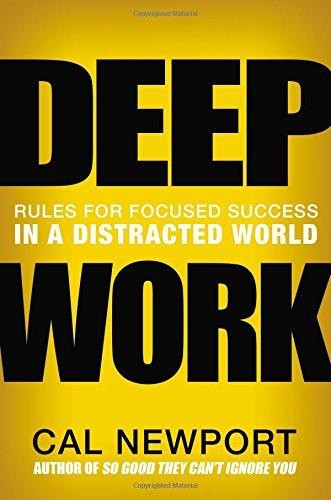
01
Cal Newport · Self-help
Deep Work is Cal Newport's case that the ability to focus without distraction on a cognitively demanding task is becoming both rarer and more valuable, and that people who cultivate it will thrive while everyone else stays stuck in shallow busywork.
Shares attention and focus with Stolen Focus: Why You Can't Pay Attention—and How to Think Deeply Again.
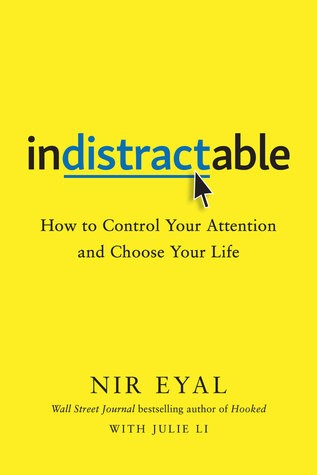
Read the summary → - Indistractable: How to Control Your Attention and Choose Your Life
02
Indistractable: How to Control Your Attention and Choose Your Life
Nir Eyal · Self-help
Indistractable is Nir Eyal's argument that distraction is not a technology problem — it's a psychology problem.
Shares attention and technology with Stolen Focus: Why You Can't Pay Attention—and How to Think Deeply Again.
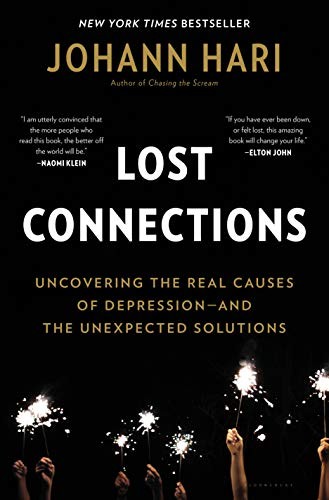
Read the summary → - Lost Connections
03
Johann Hari · Health
Lost Connections is Johann Hari's argument that depression and anxiety are not primarily chemical imbalances in the brain but responses to social and environmental conditions — disconnection from meaningful work, close relationships, the natural world, a secure future, and status that feels deserved.
Both dig into mental health.
Read the summary →
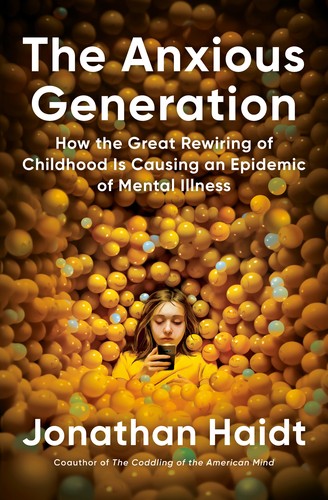
- The Anxious Generation
04
Jonathan Haidt · Psychology
The Anxious Generation is Jonathan Haidt's argument that a phone-based childhood — shaped above all by smartphones and social media arriving in the early 2010s — has caused a serious and measurable deterioration in the mental health of adolescents in the United States, the United Kingdom, Canada, and Australia.
Both dig into mental health.
Read the summary → - Hyperfocus
05
Chris Bailey · Self-help
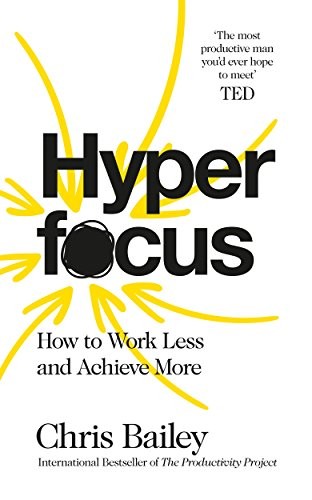
Hyperfocus is Chris Bailey's second book, narrowing in on the attention piece of his earlier productivity triad.
Shares attention and focus with Stolen Focus: Why You Can't Pay Attention—and How to Think Deeply Again.
Read the summary → - Digital Minimalism
06
Cal Newport · Self-help
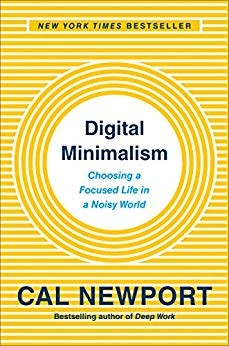
Digital Minimalism is Cal Newport's argument that most people's relationship with smartphones and social media is not freely chosen but engineered — the product of business models that monetize attention and design interfaces for compulsion rather than value.
Shares attention and technology with Stolen Focus: Why You Can't Pay Attention—and How to Think Deeply Again.
Read the summary → - The Distracted Mind
07
Adam Gazzaley and Larry D. Rosen · Science
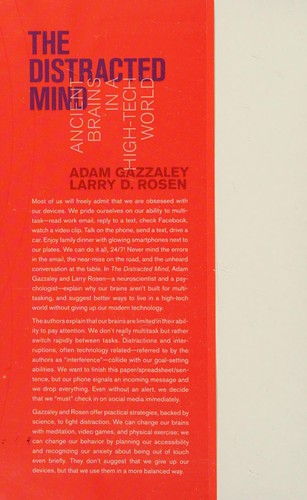
The Distracted Mind brings together two distinct research traditions — cognitive neuroscience and psychology of technology — to explain why modern humans find sustained attention so difficult and what can be done about it.
Shares attention and technology with Stolen Focus: Why You Can't Pay Attention—and How to Think Deeply Again.
Read the summary → - The Shallows: What the Internet Is Doing to Our Brains
08
The Shallows: What the Internet Is Doing to Our Brains
Nicholas Carr · Science
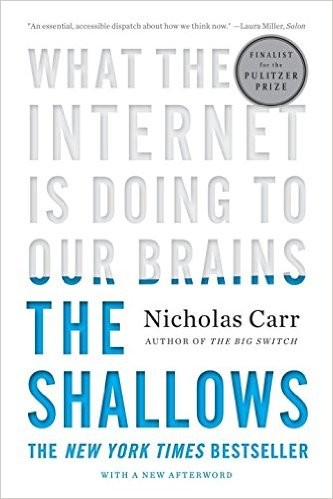
The Shallows is Nicholas Carr's argument that the internet — and the way we habitually use it, skimming hyperlinked text, watching short videos, checking feeds — is reshaping the neural circuits responsible for deep reading and sustained concentration.
Shares attention and technology with Stolen Focus: Why You Can't Pay Attention—and How to Think Deeply Again.
Read the summary → - An Unquiet Mind
09
Kay Redfield Jamison · Psychology
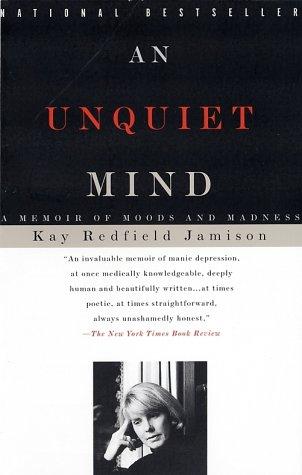
Kay Redfield Jamison is a psychiatrist and professor who has manic-depressive illness.
Both dig into mental health.
Read the summary → - Chatter: The Voice in Our Head, Why It Matters, and How to Harness It

10
Chatter: The Voice in Our Head, Why It Matters, and How to Harness It
Ethan Kross · Psychology
Humans talk to themselves more or less constantly.
Both dig into attention.
Read the summary → - Flow: The Psychology of Optimal Experience
11
Flow: The Psychology of Optimal Experience
Mihaly Csikszentmihalyi · Psychology
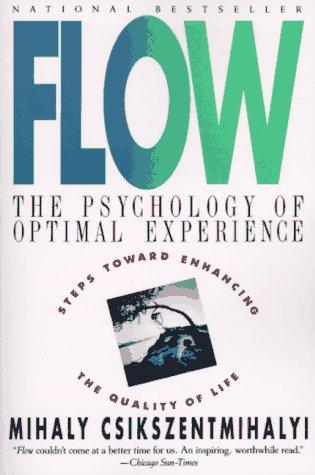
Flow is Csikszentmihalyi's landmark study of optimal experience — those moments when people are so deeply absorbed in an activity that time warps, self-consciousness disappears, and effort feels effortless.
Both dig into focus.
Read the summary → - Good Reasons for Bad Feelings: Insights from the Frontier of Evolutionary Psychiatry

12
Good Reasons for Bad Feelings: Insights from the Frontier of Evolutionary Psychiatry
Randolph M. Nesse · Psychology
Randolph Nesse spent forty years as a psychiatrist and evolutionary biologist asking a question most of his colleagues found strange: why did natural selection leave us so vulnerable to anxiety, depression, and other forms of suffering?
Both dig into mental health.
Read the summary →
Books like Stolen Focus: Why You Can't Pay Attention—and How to Think Deeply Again: quick answers
What are the best books like Stolen Focus: Why You Can't Pay Attention—and How to Think Deeply Again?
The best books like Stolen Focus: Why You Can't Pay Attention—and How to Think Deeply Again by Johann Hari are Deep Work by Cal Newport, Indistractable: How to Control Your Attention and Choose Your Life by Nir Eyal, Lost Connections by Johann Hari, The Anxious Generation by Jonathan Haidt, Hyperfocus by Chris Bailey, plus 7 more below. Each was chosen for themes it shares with Stolen Focus: Why You Can't Pay Attention—and How to Think Deeply Again, such as attention, technology, focus.
What should I read after Stolen Focus: Why You Can't Pay Attention—and How to Think Deeply Again?
A natural next read after Stolen Focus: Why You Can't Pay Attention—and How to Think Deeply Again is Deep Work by Cal Newport. Shares attention and focus with Stolen Focus: Why You Can't Pay Attention—and How to Think Deeply Again. Other strong choices are Indistractable: How to Control Your Attention and Choose Your Life by Nir Eyal, Lost Connections by Johann Hari, The Anxious Generation by Jonathan Haidt.
What books are similar to Stolen Focus: Why You Can't Pay Attention—and How to Think Deeply Again by Johann Hari?
Stolen Focus: Why You Can't Pay Attention—and How to Think Deeply Again centers on attention, technology, focus. Books with a similar feel include Deep Work by Cal Newport, Indistractable: How to Control Your Attention and Choose Your Life by Nir Eyal, Lost Connections by Johann Hari, The Anxious Generation by Jonathan Haidt, Hyperfocus by Chris Bailey, Digital Minimalism by Cal Newport — all free to read and chat with on Superbook.
