Science · Similar reads
Books like How to Create a Mind
The best books like How to Create a Mind are The Master Algorithm, Algorithms to Live By: The Computer Science of Human Decisions, and A Mind for Numbers. How to Create a Mind by Ray Kurzweil is about artificial intelligence, neuroscience, pattern recognition. If that's what drew you in, here are 12 books that share its DNA — each summarized on Superbook, and ready to chat with in the app.
- The Master Algorithm
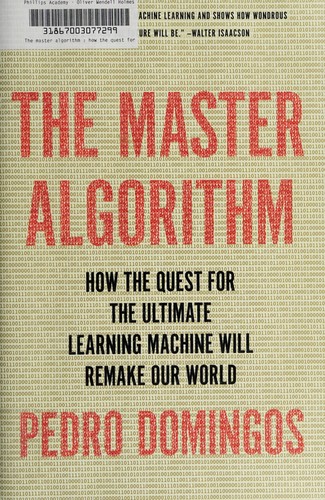
01
Pedro Domingos · Science
The Master Algorithm is Pedro Domingos's survey of machine learning — the field of computer science that creates algorithms capable of learning from data — organized around a central speculative thesis: that there exists, or may be found, a single master algorithm from which all learning can be derived.
Both dig into artificial intelligence.
Read the summary → - Algorithms to Live By: The Computer Science of Human Decisions
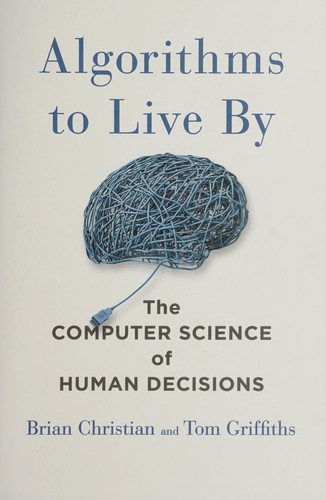
02
Algorithms to Live By: The Computer Science of Human Decisions
Brian Christian and Tom Griffiths · Psychology
Brian Christian is a writer and Tom Griffiths is a cognitive scientist, and together they argue that computer science has worked out rigorous solutions to many of the problems humans face every day — when to stop searching for a better option, how to manage your schedule, how to sort your memory — and that these solutions are both interesting and useful.
A kindred science read.
Read the summary → - A Mind for Numbers
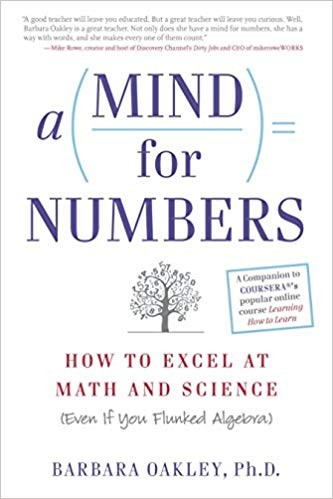
03
Barbara Oakley · Self-help
A Mind for Numbers is Barbara Oakley's guide to learning hard subjects effectively, written primarily for students struggling with mathematics and science but drawing on cognitive science principles that apply to any demanding field.
A kindred science read.
Read the summary →
- Our Mathematical Universe
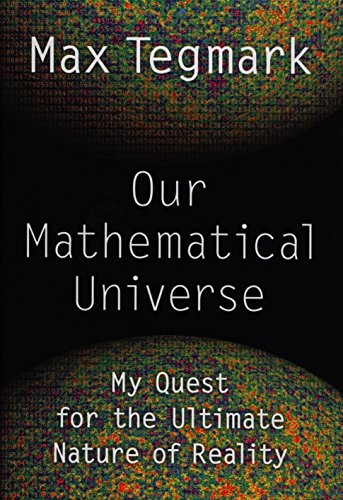
04
Max Tegmark · Science
Our Mathematical Universe is Max Tegmark's argument for what he calls the Mathematical Universe Hypothesis: the bold claim that the universe is not merely described by mathematics but is a mathematical structure.
A kindred science read.
Read the summary → - Gödel, Escher, Bach
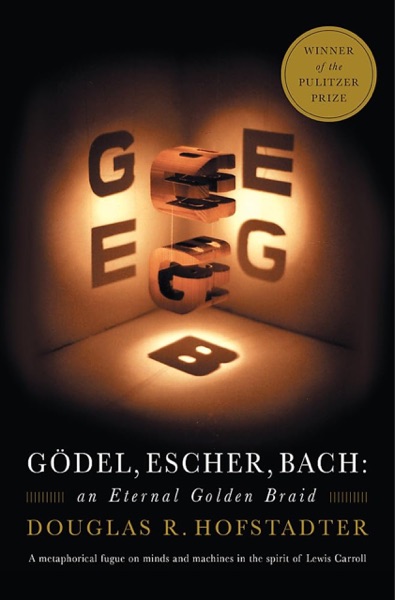
05
Douglas Hofstadter · Science
Douglas Hofstadter's Pulitzer Prize-winning debut, published in 1979, asks how meaning can arise from formal rules — how a biological machine can think, feel, and experience self-awareness.
Shares artificial intelligence and consciousness with How to Create a Mind.
Read the summary → - How to Change Your Mind
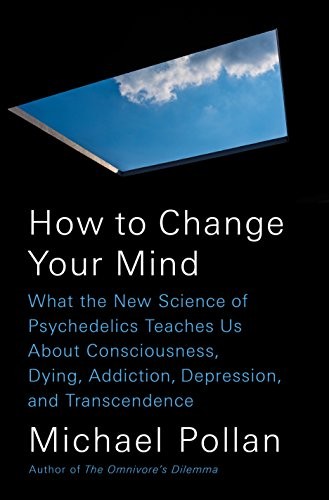
06
Michael Pollan · Science
Michael Pollan came to psychedelics late in life, as a skeptic.
Shares neuroscience and consciousness with How to Create a Mind.
Read the summary → - Life 3.0: Being Human in the Age of Artificial Intelligence
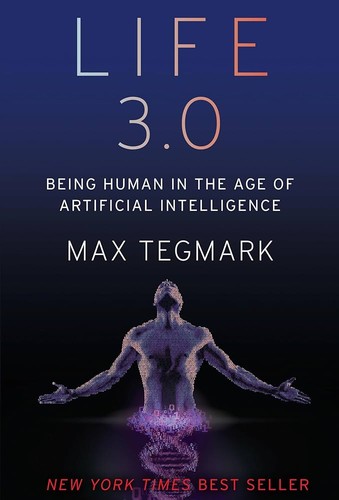
07
Life 3.0: Being Human in the Age of Artificial Intelligence
Max Tegmark · Science
Life 3.0 is Max Tegmark's accessible survey of the questions raised by the prospect of human-level and superhuman artificial intelligence: What are the plausible paths to AGI?
Shares artificial intelligence and consciousness with How to Create a Mind.
Read the summary → - The Emperor's New Mind
08
Roger Penrose · Science
The Emperor's New Mind is Roger Penrose's argument that human consciousness cannot be reproduced by any computational device — that the mind is not, in the relevant sense, a computer — and that understanding consciousness will require fundamental advances in physics, particularly in reconciling quantum mechanics with general relativity.
Shares artificial intelligence and consciousness with How to Create a Mind.
Read the summary → - The Tell-Tale Brain: A Neuroscientist's Quest for What Makes Us Human
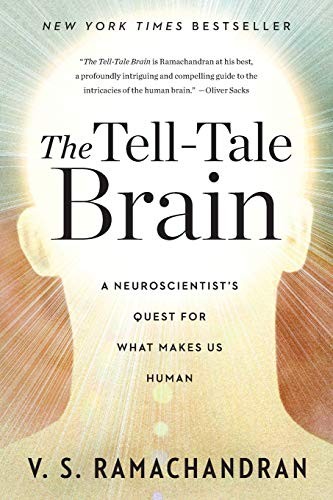
09
The Tell-Tale Brain: A Neuroscientist's Quest for What Makes Us Human
V. S. Ramachandran · Science
The Tell-Tale Brain is V.
Shares neuroscience and consciousness with How to Create a Mind.
Read the summary → - Consciousness Explained
10
Daniel C. Dennett · Philosophy
Consciousness Explained is Daniel Dennett's attempt to replace what he calls the Cartesian Theater — the intuitive picture of consciousness as a single unified stream of experience observed by a self — with a model he calls Multiple Drafts.
Shares neuroscience and consciousness with How to Create a Mind.
Read the summary → - Descartes' Error: Emotion, Reason, and the Human Brain
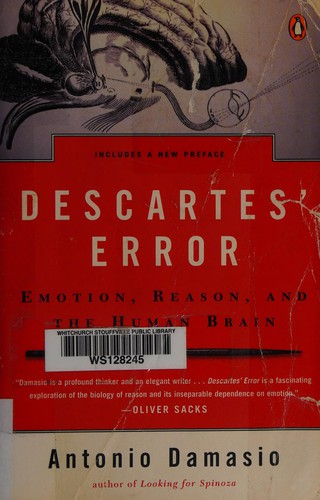
11
Descartes' Error: Emotion, Reason, and the Human Brain
Antonio Damasio · Psychology
Antonio Damasio is a neurologist at USC whose work challenges the centuries-old idea that reason and emotion are separate faculties, with reason the reliable guide and emotion the unreliable interference.
Shares neuroscience and consciousness with How to Create a Mind.
Read the summary → - Incognito: The Secret Lives of the Brain
12
Incognito: The Secret Lives of the Brain
David Eagleman · Psychology
David Eagleman is a neuroscientist at Stanford who argues that the conscious self is a late, small, and largely uninformed participant in the brain's activity.
Shares neuroscience and consciousness with How to Create a Mind.
Read the summary →
Books like How to Create a Mind: quick answers
What are the best books like How to Create a Mind?
The best books like How to Create a Mind by Ray Kurzweil are The Master Algorithm by Pedro Domingos, Algorithms to Live By: The Computer Science of Human Decisions by Brian Christian and Tom Griffiths, A Mind for Numbers by Barbara Oakley, Our Mathematical Universe by Max Tegmark, Gödel, Escher, Bach by Douglas Hofstadter, plus 7 more below. Each was chosen for themes it shares with How to Create a Mind, such as artificial intelligence, neuroscience, pattern recognition.
What should I read after How to Create a Mind?
A natural next read after How to Create a Mind is The Master Algorithm by Pedro Domingos. Both dig into artificial intelligence. Other strong choices are Algorithms to Live By: The Computer Science of Human Decisions by Brian Christian and Tom Griffiths, A Mind for Numbers by Barbara Oakley, Our Mathematical Universe by Max Tegmark.
What books are similar to How to Create a Mind by Ray Kurzweil?
How to Create a Mind centers on artificial intelligence, neuroscience, pattern recognition. Books with a similar feel include The Master Algorithm by Pedro Domingos, Algorithms to Live By: The Computer Science of Human Decisions by Brian Christian and Tom Griffiths, A Mind for Numbers by Barbara Oakley, Our Mathematical Universe by Max Tegmark, Gödel, Escher, Bach by Douglas Hofstadter, How to Change Your Mind by Michael Pollan — all free to read and chat with on Superbook.
