Economics · Similar reads
Books like Money: Master the Game
The best books like Money: Master the Game are The Psychology of Money, Unshakeable, and The Intelligent Investor. Money: Master the Game by Tony Robbins is about personal finance, investing, financial freedom. If that's what drew you in, here are 12 books that share its DNA — each summarized on Superbook, and ready to chat with in the app.
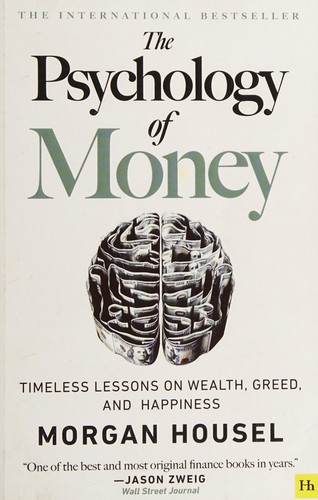
- The Psychology of Money
01
Morgan Housel · Economics
The Psychology of Money is Morgan Housel's argument that financial success depends less on technical knowledge than on behavior — specifically, on understanding how your personal history, emotions, and cognitive biases shape every financial decision you make.
A kindred economics read.
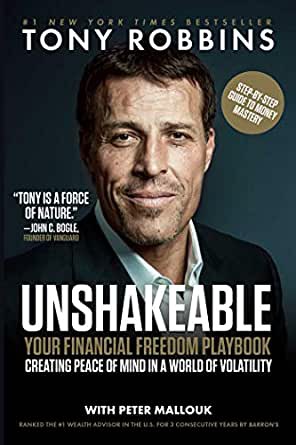
Read the summary → - Unshakeable
02
Tony Robbins · Economics
Unshakeable is Tony Robbins's shorter follow-up to Money: Master the Game, co-written with financial advisor Peter Mallouk.
Shares investing and financial freedom with Money: Master the Game.
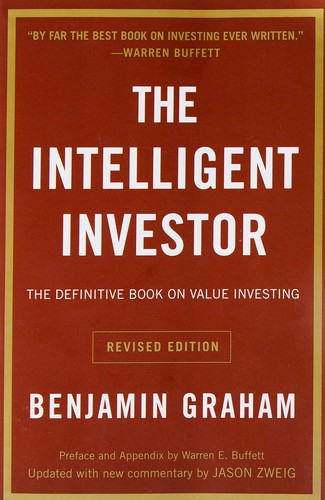
Read the summary → - The Intelligent Investor
03
Benjamin Graham · Economics
The Intelligent Investor is Benjamin Graham's case that successful investing has less to do with picking the right stocks than with managing your own behavior.
A kindred economics read.
Read the summary →
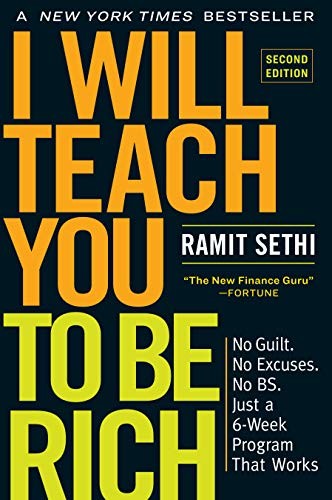
- I Will Teach You to Be Rich
04
Ramit Sethi · Self-help
I Will Teach You to Be Rich is Ramit Sethi's six-week program for getting your basic financial infrastructure in order — automating savings, optimizing credit, setting up the right accounts, and beginning to invest — written specifically for people in their twenties and thirties who haven't yet dealt with any of this.
A kindred economics read.
Read the summary → - Millionaire by Thirty
05
Douglas R. Andrew · Economics
Millionaire by Thirty is Douglas R.
Shares personal finance and wealth building with Money: Master the Game.
Read the summary → - The Index Card
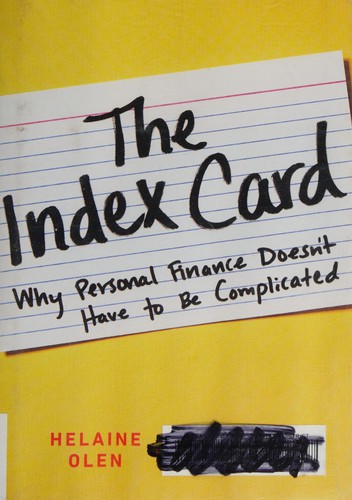
06
Helaine Olen · Economics
The Index Card began as a genuine index card.
Shares personal finance and investing with Money: Master the Game.
Read the summary → - The Intelligent Asset Allocator
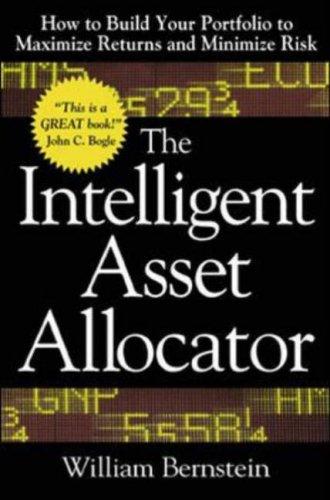
07
The Intelligent Asset Allocator
William J. Bernstein · Economics
The Intelligent Asset Allocator is William Bernstein's argument that the most important decision an investor makes is not which stock to buy but how to divide a portfolio across different asset classes.
Shares investing and asset allocation with Money: Master the Game.
Read the summary → - The Investor's Manifesto
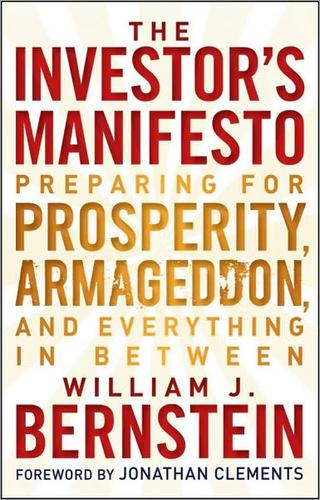
08
William J. Bernstein · Economics
The Investor's Manifesto is William Bernstein's concise statement of what evidence-based investing actually requires.
Shares investing and asset allocation with Money: Master the Game.
Read the summary → - The Little Book of Main Street Money
09
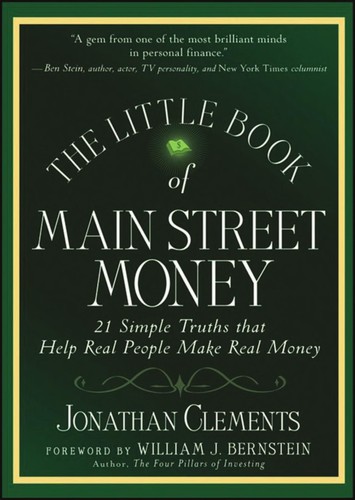
The Little Book of Main Street Money
Jonathan Clements · Economics
The Little Book of Main Street Money is Jonathan Clements's attempt to strip personal finance down to what actually matters for ordinary people — not market timing, not stock picking, not exotic instruments, but the unglamorous fundamentals that determine whether most households build wealth or spend their lives financially fragile.
Shares personal finance and investing with Money: Master the Game.
Read the summary → - The Only Investment Guide You'll Ever Need
10
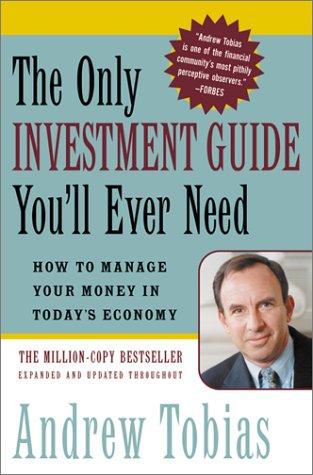
The Only Investment Guide You'll Ever Need
Andrew Tobias · Economics
The Only Investment Guide You'll Ever Need has been in print since 1978, updated through multiple editions, which is itself a statement about the quality of its core advice.
Shares personal finance and investing with Money: Master the Game.
Read the summary → - The Millionaire Mind
11
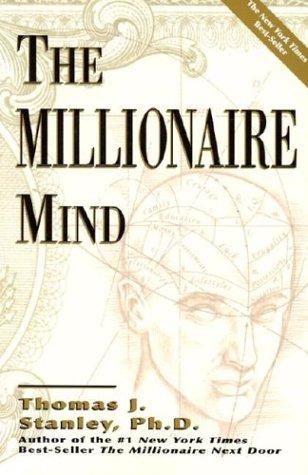
Thomas J. Stanley · Business
The Millionaire Mind is Thomas J.
Shares personal finance and wealth building with Money: Master the Game.
Read the summary → - 100 to 1 in the Stock Market
12
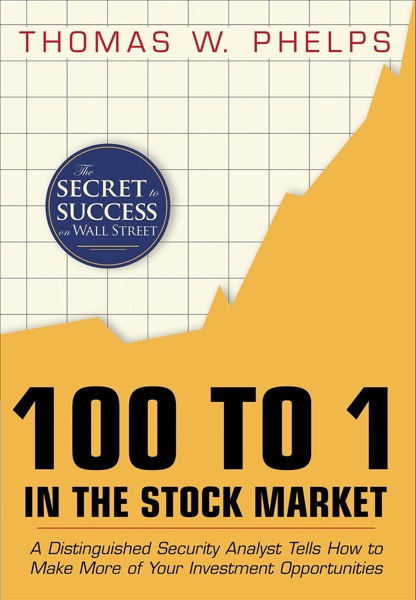
Thomas Phelps · Economics
100 to 1 in the Stock Market, published in 1972 by Thomas Phelps, is a study of the conditions under which stocks return one hundred times an investor's original investment — and an argument that such stocks are more common and more identifiable in advance than most investors believe.
Both dig into wealth building.
Read the summary →
Books like Money: Master the Game: quick answers
What are the best books like Money: Master the Game?
The best books like Money: Master the Game by Tony Robbins are The Psychology of Money by Morgan Housel, Unshakeable by Tony Robbins, The Intelligent Investor by Benjamin Graham, I Will Teach You to Be Rich by Ramit Sethi, Millionaire by Thirty by Douglas R. Andrew, plus 7 more below. Each was chosen for themes it shares with Money: Master the Game, such as personal finance, investing, financial freedom.
What should I read after Money: Master the Game?
A natural next read after Money: Master the Game is The Psychology of Money by Morgan Housel. A kindred economics read. Other strong choices are Unshakeable by Tony Robbins, The Intelligent Investor by Benjamin Graham, I Will Teach You to Be Rich by Ramit Sethi.
What books are similar to Money: Master the Game by Tony Robbins?
Money: Master the Game centers on personal finance, investing, financial freedom. Books with a similar feel include The Psychology of Money by Morgan Housel, Unshakeable by Tony Robbins, The Intelligent Investor by Benjamin Graham, I Will Teach You to Be Rich by Ramit Sethi, Millionaire by Thirty by Douglas R. Andrew, The Index Card by Helaine Olen — all free to read and chat with on Superbook.
