Self-help · Similar reads
Books like Nonviolent Communication
The best books like Nonviolent Communication are Difficult Conversations, Thanks for the Feedback, and Humble Inquiry. Nonviolent Communication by Marshall B. Rosenberg is about communication, empathy, conflict resolution. If that's what drew you in, here are 12 books that share its DNA — each summarized on Superbook, and ready to chat with in the app.
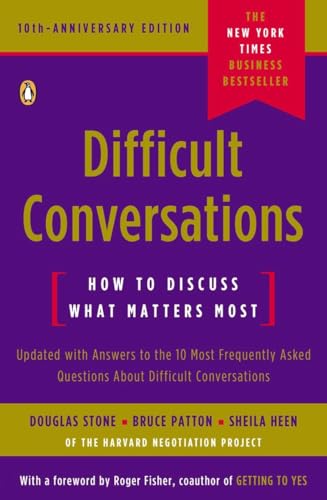
- Difficult Conversations
01
Douglas Stone, Bruce Patton, and Sheila Heen · Business
Difficult Conversations is the product of the Harvard Negotiation Project, the same research group that produced Getting to Yes.
Shares communication and relationships with Nonviolent Communication.
Read the summary → - Thanks for the Feedback
02
Douglas Stone and Sheila Heen · Business
Thanks for the Feedback is Douglas Stone and Sheila Heen's follow-up to Difficult Conversations, this time focused on the receiving end of feedback rather than the giving end.
Shares communication and relationships with Nonviolent Communication.
Read the summary → - Humble Inquiry
03
Edgar H. Schein · Business
Humble Inquiry is Edgar Schein's argument that the most important communication skill in leadership is the ability to ask questions in a genuinely curious, non-manipulative way — and that most organizational cultures systematically undervalue this skill in favor of telling, which creates problems both for individual relationships and for organizational safety and learning.
Shares communication and relationships with Nonviolent Communication.
Read the summary →
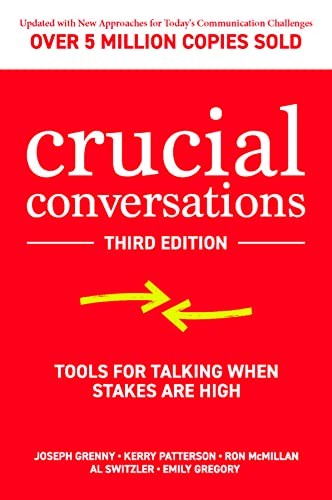
- Crucial Conversations: Tools for Talking When Stakes Are High
04
Crucial Conversations: Tools for Talking When Stakes Are High
Kerry Patterson, Joseph Grenny, Ron McMillan, and Al Switzler · Self-help
Crucial Conversations is a book about what to do when the stakes are high, emotions run strong, and opinions diverge.
Shares communication and relationships with Nonviolent Communication.
Read the summary → - The Four Agreements
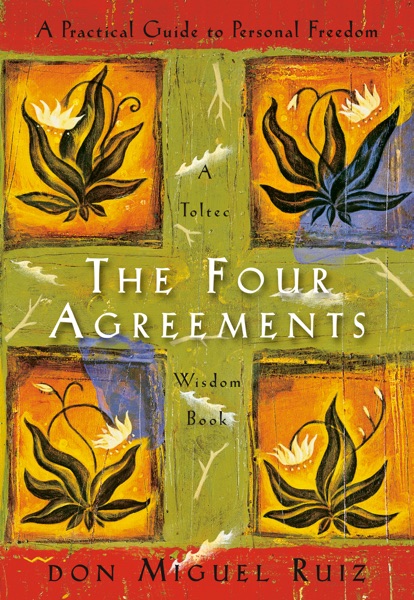
05
Don Miguel Ruiz · Self-help
The Four Agreements is Don Miguel Ruiz's distillation of what he describes as ancient Toltec wisdom, repackaged as a practical guide to personal freedom.
Shares communication and relationships with Nonviolent Communication.
Read the summary → - Design Is Storytelling
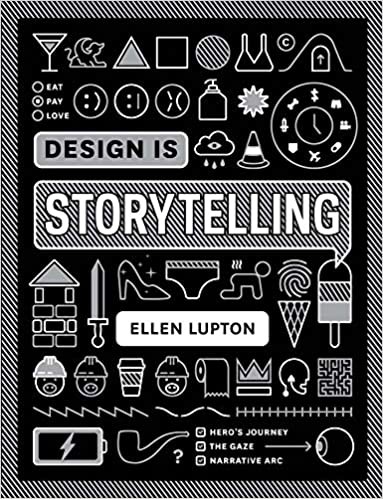
06
Ellen Lupton · Self-help
Design Is Storytelling is Ellen Lupton's compact guide to narrative thinking as a design skill.
Shares communication and empathy with Nonviolent Communication.
Read the summary → - How to Win Friends and Influence People
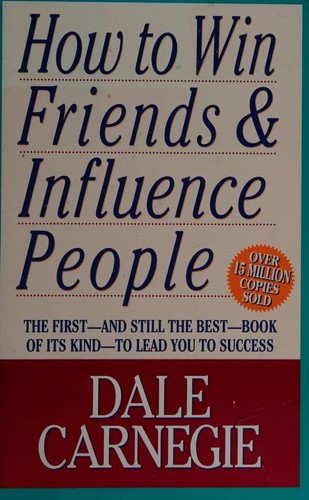
07
How to Win Friends and Influence People
Dale Carnegie · Self-help
How to Win Friends and Influence People is Dale Carnegie's 1936 guide to dealing with people effectively.
Shares communication and empathy with Nonviolent Communication.
Read the summary → - Set Boundaries, Find Peace
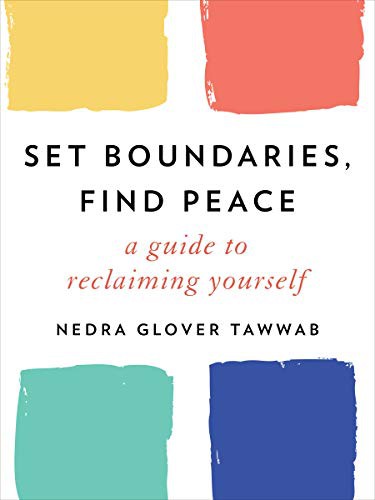
08
Nedra Glover Tawwab · Self-help
Set Boundaries, Find Peace is therapist Nedra Glover Tawwab's practical guide to identifying and communicating personal boundaries in work, family, friendship, and romantic relationships.
Shares communication and relationships with Nonviolent Communication.
Read the summary → - Co-Active Coaching
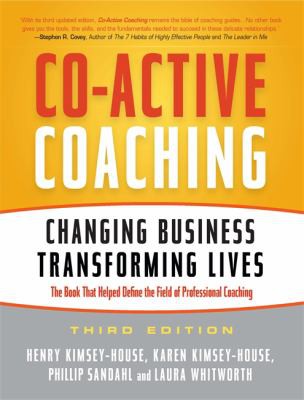
09
Henry Kimsey-House, Karen Kimsey-House, Phillip Sandahl, and Laura Whitworth · Business
Co-Active Coaching presents the model developed at the Coaches Training Institute (CTI), which has trained more professional coaches than any other organization in the world.
Shares communication and self-awareness with Nonviolent Communication.
Read the summary → - Emotional Intelligence
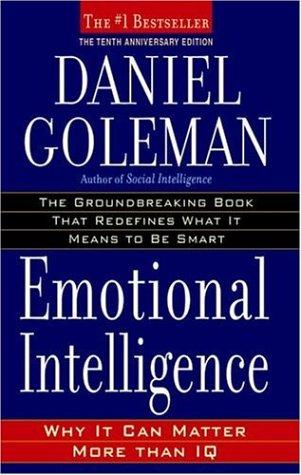
10
Daniel Goleman · Psychology
Daniel Goleman's Emotional Intelligence, published in 1995, made a widely influential argument: that the cluster of abilities involved in managing emotions — self-awareness, self-regulation, empathy, and social skill — predicts life outcomes at least as well as IQ, and possibly better in many domains.
Shares empathy and self-awareness with Nonviolent Communication.
Read the summary → - Fierce Conversations
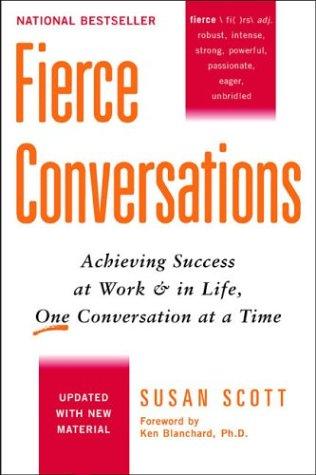
11
Susan Scott · Business
Fierce Conversations is Susan Scott's argument that the quality of your relationships is determined by the quality of your conversations — and that the conversations most people avoid are precisely the ones that would most improve their relationships and results.
Shares communication and relationships with Nonviolent Communication.
Read the summary → - Getting to Yes: Negotiating Agreement Without Giving In
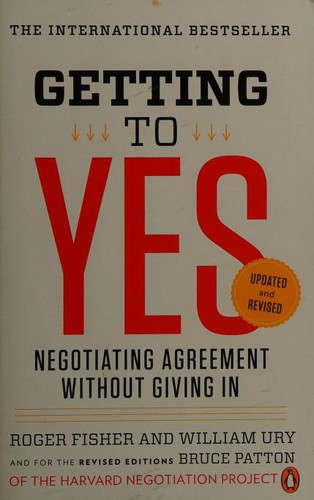
12
Getting to Yes: Negotiating Agreement Without Giving In
Roger Fisher and William Ury · Business
Getting to Yes emerged from the Harvard Negotiation Project in the late 1970s and laid out a method its authors called principled negotiation.
Shares communication and conflict resolution with Nonviolent Communication.
Read the summary →
Books like Nonviolent Communication: quick answers
What are the best books like Nonviolent Communication?
The best books like Nonviolent Communication by Marshall B. Rosenberg are Difficult Conversations by Douglas Stone, Bruce Patton, and Sheila Heen, Thanks for the Feedback by Douglas Stone and Sheila Heen, Humble Inquiry by Edgar H. Schein, Crucial Conversations: Tools for Talking When Stakes Are High by Kerry Patterson, Joseph Grenny, Ron McMillan, and Al Switzler, The Four Agreements by Don Miguel Ruiz, plus 7 more below. Each was chosen for themes it shares with Nonviolent Communication, such as communication, empathy, conflict resolution.
What should I read after Nonviolent Communication?
A natural next read after Nonviolent Communication is Difficult Conversations by Douglas Stone, Bruce Patton, and Sheila Heen. Shares communication and relationships with Nonviolent Communication. Other strong choices are Thanks for the Feedback by Douglas Stone and Sheila Heen, Humble Inquiry by Edgar H. Schein, Crucial Conversations: Tools for Talking When Stakes Are High by Kerry Patterson, Joseph Grenny, Ron McMillan, and Al Switzler.
What books are similar to Nonviolent Communication by Marshall B. Rosenberg?
Nonviolent Communication centers on communication, empathy, conflict resolution. Books with a similar feel include Difficult Conversations by Douglas Stone, Bruce Patton, and Sheila Heen, Thanks for the Feedback by Douglas Stone and Sheila Heen, Humble Inquiry by Edgar H. Schein, Crucial Conversations: Tools for Talking When Stakes Are High by Kerry Patterson, Joseph Grenny, Ron McMillan, and Al Switzler, The Four Agreements by Don Miguel Ruiz, Design Is Storytelling by Ellen Lupton — all free to read and chat with on Superbook.
