Science · Similar reads
Books like The Art of Statistics: How to Learn from Data
The best books like The Art of Statistics: How to Learn from Data are Thinking, Fast and Slow, The Signal and the Noise, and Noise: A Flaw in Human Judgment. The Art of Statistics: How to Learn from Data by David Spiegelhalter is about statistics, data literacy, uncertainty. If that's what drew you in, here are 12 books that share its DNA — each summarized on Superbook, and ready to chat with in the app.
- Thinking, Fast and Slow
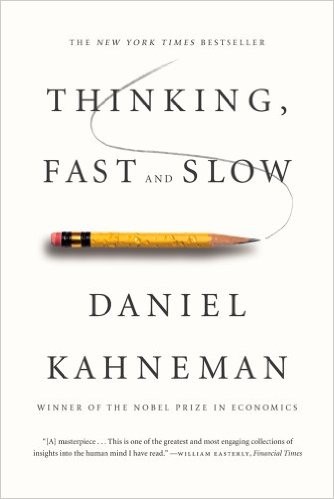
01
Daniel Kahneman · Psychology
Thinking, Fast and Slow is Daniel Kahneman's account of the two cognitive systems that govern human thought.
A kindred science read.
Read the summary → - The Signal and the Noise
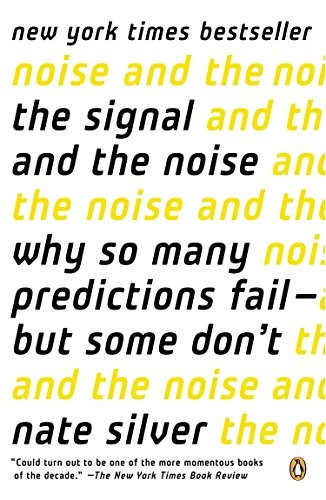
02
Nate Silver · Science
Nate Silver made his reputation predicting baseball statistics and then political elections.
Both dig into uncertainty.
Read the summary → - Noise: A Flaw in Human Judgment
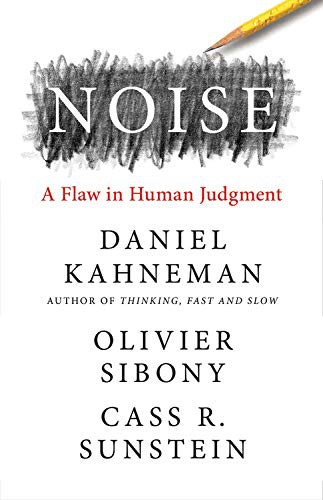
03
Noise: A Flaw in Human Judgment
Daniel Kahneman, Olivier Sibony, and Cass R. Sunstein · Psychology
Bias gets most of the attention in discussions of judgment error.
A kindred science read.
Read the summary →
- Against the Gods: The Remarkable Story of Risk
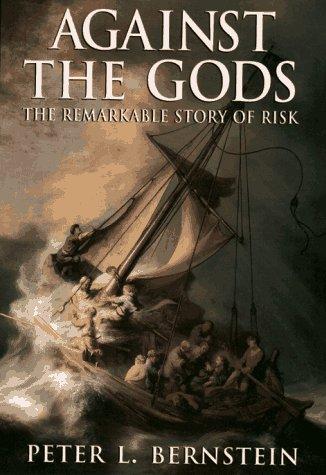
04
Against the Gods: The Remarkable Story of Risk
Peter L. Bernstein · History
Against the Gods is Peter Bernstein's intellectual history of how humanity learned to measure, quantify, and manage risk — a story he traces from ancient gambling in the Mediterranean through the development of modern probability theory, statistics, and financial derivatives.
A kindred science read.
Read the summary → - Weapons of Math Destruction
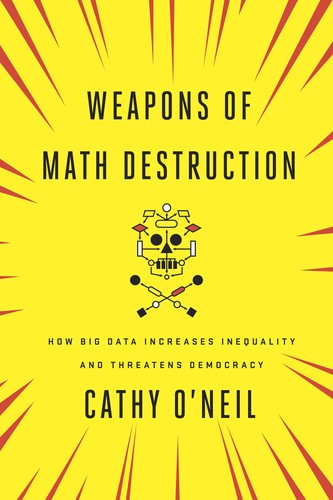
05
Cathy O'Neil · Science
Weapons of Math Destruction is mathematician and data scientist Cathy O'Neil's investigation of how algorithms — statistical models used to make decisions about people's lives — can perpetuate and amplify inequality rather than reduce it.
A kindred science read.
Read the summary → - The Meaning of It All: Thoughts of a Citizen-Scientist

06
The Meaning of It All: Thoughts of a Citizen-Scientist
Richard P. Feynman · Science
The Meaning of It All collects three lectures Richard Feynman delivered at the University of Washington in 1963, published posthumously in 1998.
Shares uncertainty and critical thinking with The Art of Statistics: How to Learn from Data.
Read the summary → - Bad Science
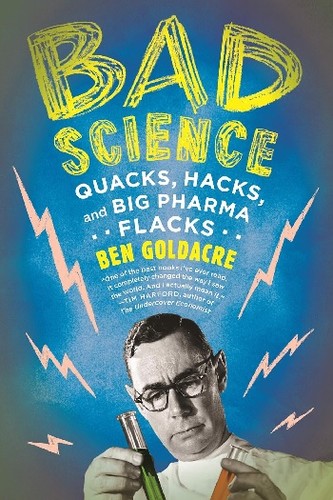
07
Ben Goldacre · Science
Bad Science is Ben Goldacre's dissection of how scientific evidence gets misrepresented, distorted, and invented in the service of selling health products, generating media coverage, and protecting bad actors from accountability.
Both dig into statistics.
Read the summary → - How Not to Be Wrong: The Power of Mathematical Thinking
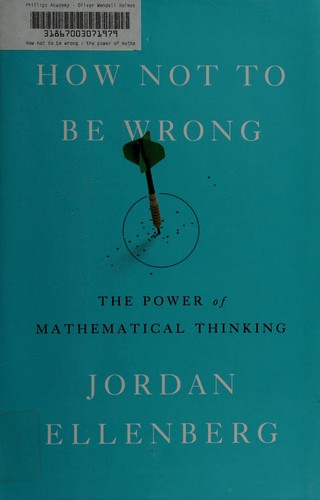
08
How Not to Be Wrong: The Power of Mathematical Thinking
Jordan Ellenberg · Science
Jordan Ellenberg is a research mathematician who writes as if mathematics is something you would want to think about over dinner.
Both dig into critical thinking.
Read the summary → - The Black Swan: The Impact of the Highly Improbable
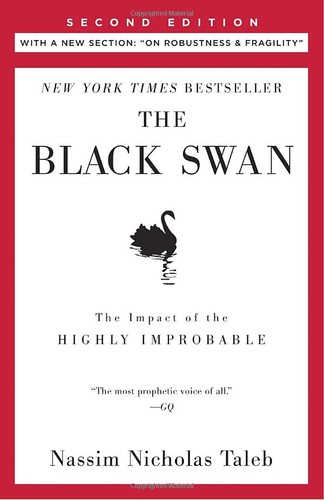
09
The Black Swan: The Impact of the Highly Improbable
Nassim Nicholas Taleb · Science
The Black Swan is Nassim Nicholas Taleb's argument that the most consequential events in history — financial crashes, technological breakthroughs, wars, pandemics — are not predictable outliers but structurally unpredictable ones.
Both dig into uncertainty.
Read the summary → - The Book of Why
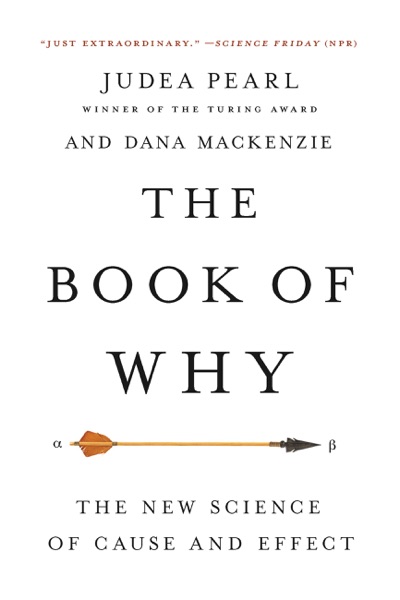
10
Judea Pearl · Science
The Book of Why is Judea Pearl's argument that the dominant tradition in statistics — which insists on correlations and avoids causal claims — is a fundamental intellectual mistake, and that building a proper science of causality is the most important unsolved problem in both science and artificial intelligence.
Both dig into statistics.
Read the summary → - The Demon-Haunted World
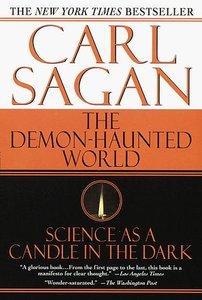
11
Carl Sagan · Science
The Demon-Haunted World is Carl Sagan's argument that science is not just a body of knowledge but a way of thinking — one that humanity needs badly and uses far too rarely.
Both dig into critical thinking.
Read the summary → - The Greatest Show on Earth: The Evidence for Evolution
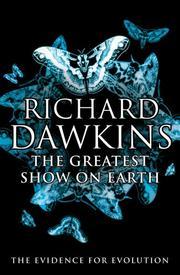
12
The Greatest Show on Earth: The Evidence for Evolution
Richard Dawkins · Science
The Greatest Show on Earth is Richard Dawkins's systematic presentation of the evidence for evolution by natural selection.
Both dig into evidence.
Read the summary →
Books like The Art of Statistics: How to Learn from Data: quick answers
What are the best books like The Art of Statistics: How to Learn from Data?
The best books like The Art of Statistics: How to Learn from Data by David Spiegelhalter are Thinking, Fast and Slow by Daniel Kahneman, The Signal and the Noise by Nate Silver, Noise: A Flaw in Human Judgment by Daniel Kahneman, Olivier Sibony, and Cass R. Sunstein, Against the Gods: The Remarkable Story of Risk by Peter L. Bernstein, Weapons of Math Destruction by Cathy O'Neil, plus 7 more below. Each was chosen for themes it shares with The Art of Statistics: How to Learn from Data, such as statistics, data literacy, uncertainty.
What should I read after The Art of Statistics: How to Learn from Data?
A natural next read after The Art of Statistics: How to Learn from Data is Thinking, Fast and Slow by Daniel Kahneman. A kindred science read. Other strong choices are The Signal and the Noise by Nate Silver, Noise: A Flaw in Human Judgment by Daniel Kahneman, Olivier Sibony, and Cass R. Sunstein, Against the Gods: The Remarkable Story of Risk by Peter L. Bernstein.
What books are similar to The Art of Statistics: How to Learn from Data by David Spiegelhalter?
The Art of Statistics: How to Learn from Data centers on statistics, data literacy, uncertainty. Books with a similar feel include Thinking, Fast and Slow by Daniel Kahneman, The Signal and the Noise by Nate Silver, Noise: A Flaw in Human Judgment by Daniel Kahneman, Olivier Sibony, and Cass R. Sunstein, Against the Gods: The Remarkable Story of Risk by Peter L. Bernstein, Weapons of Math Destruction by Cathy O'Neil, The Meaning of It All: Thoughts of a Citizen-Scientist by Richard P. Feynman — all free to read and chat with on Superbook.
