Economics · Similar reads
Books like The Bottom Billion: Why the Poorest Countries Are Failing and What Can Be Done About It
The best books like The Bottom Billion: Why the Poorest Countries Are Failing and What Can Be Done About It are The White Man's Burden: Why the West's Efforts to Aid the Rest Have Done So Much Ill and So Little Good, Sapiens: A Brief History of Humankind, and Guns, Germs, and Steel. The Bottom Billion: Why the Poorest Countries Are Failing and What Can Be Done About It by Paul Collier is about development economics, poverty traps, conflict. If that's what drew you in, here are 12 books that share its DNA — each summarized on Superbook, and ready to chat with in the app.
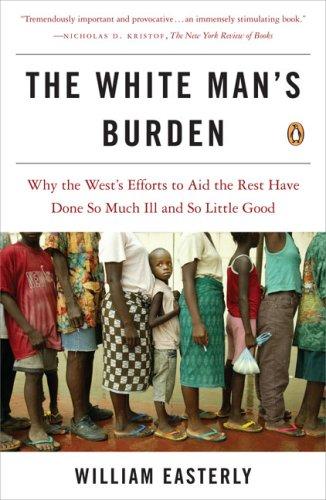
- The White Man's Burden: Why the West's Efforts to Aid the Rest Have Done So Much Ill and So Little Good
01
William Easterly · Economics
William Easterly spent two decades as a research economist at the World Bank before writing The White Man's Burden, and that institutional experience gives his critique of the development industry a quality that most outside critiques lack: he knows exactly how the machine works and why it produces what it does.
Shares development economics and foreign aid with The Bottom Billion: Why the Poorest Countries Are Failing and What Can Be Done About It.
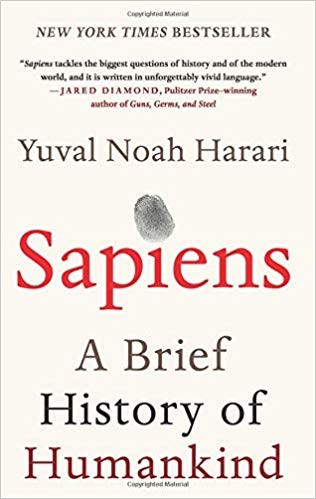
Read the summary → - Sapiens: A Brief History of Humankind
02
Sapiens: A Brief History of Humankind
Yuval Noah Harari · History
Sapiens traces the full arc of human history from the emergence of Homo sapiens in Africa roughly 70,000 years ago to the present.
A kindred economics read.
Read the summary → - Guns, Germs, and Steel

03
Jared Diamond · Science
Guns, Germs, and Steel is Jared Diamond's attempt to answer a question posed to him by a Papua New Guinean politician named Yali: why did Europeans end up with so much cargo — wealth, technology, power — while other peoples had comparatively little?
A kindred economics read.
Read the summary →
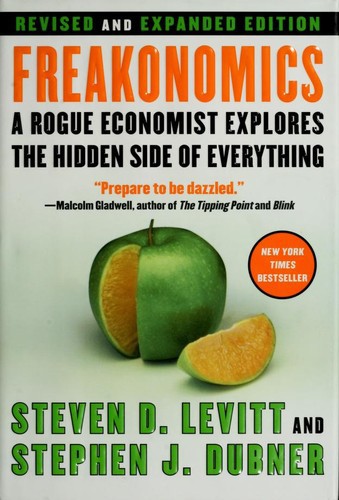
- Freakonomics
04
Steven D. Levitt and Stephen J. Dubner · Economics
Freakonomics is economist Steven Levitt and journalist Stephen Dubner's argument that economics — properly understood as the study of incentives — can explain things that look, on the surface, like they have nothing to do with money.
A kindred economics read.
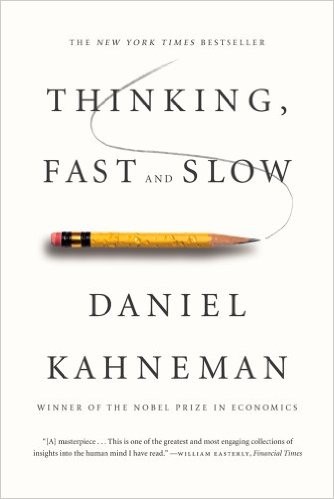
Read the summary → - Thinking, Fast and Slow
05
Daniel Kahneman · Psychology
Thinking, Fast and Slow is Daniel Kahneman's account of the two cognitive systems that govern human thought.
A kindred economics read.
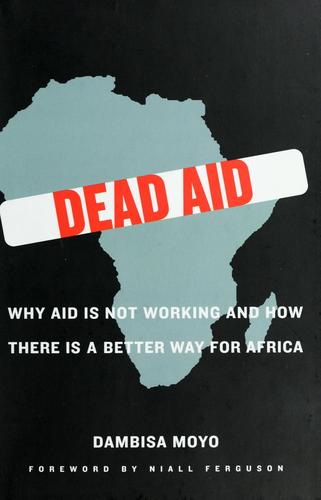
Read the summary → - Dead Aid: Why Aid Is Not Working and How There Is a Better Way for Africa
06
Dead Aid: Why Aid Is Not Working and How There Is a Better Way for Africa
Dambisa Moyo · Economics
Dead Aid is Dambisa Moyo's argument that the system of aid flowing from rich countries and multilateral institutions to sub-Saharan Africa has not only failed to generate growth but has actively made things worse.
Both dig into foreign aid.
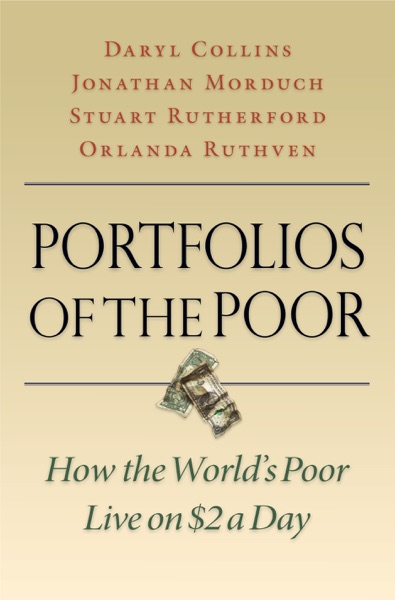
Read the summary → - Portfolios of the Poor
07
Daryl Collins, Jonathan Morduch, Stuart Rutherford, and Orlanda Ruthven · Economics
Portfolios of the Poor is one of the most methodologically unusual books in development economics.
Both dig into development economics.
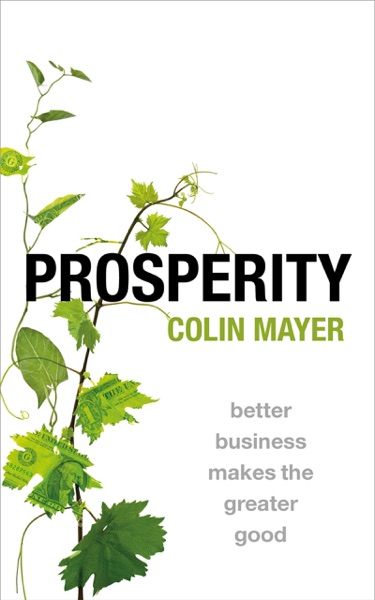
Read the summary → - Prosperity: Better Business Makes the Greater Good
08
Prosperity: Better Business Makes the Greater Good
Colin Mayer · Economics
Prosperity is Colin Mayer's argument that the modern corporation has lost its sense of purpose — and that recovering it requires not marginal adjustments but a fundamental rethinking of what corporations are for.
Both dig into governance.
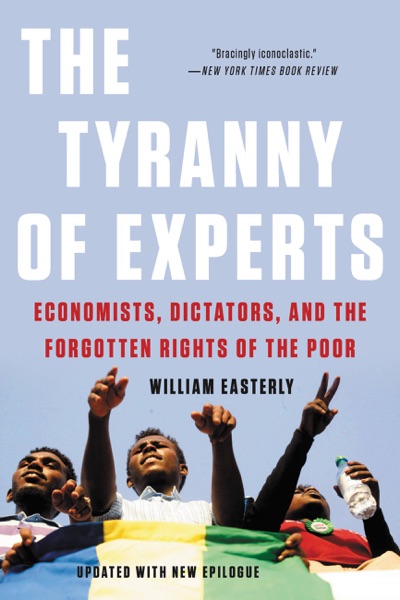
Read the summary → - The Tyranny of Experts
09
William Easterly · Economics
William Easterly spent years at the World Bank before concluding that international development as practiced by the major institutions is not only ineffective but actively harmful — harmful not primarily because it fails to deliver growth, though it frequently does, but because it suppresses the rights and agency of the people it claims to help.
Both dig into development economics.
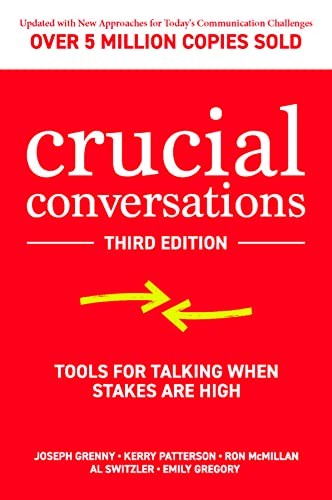
Read the summary → - Crucial Conversations: Tools for Talking When Stakes Are High
10
Crucial Conversations: Tools for Talking When Stakes Are High
Kerry Patterson, Joseph Grenny, Ron McMillan, and Al Switzler · Self-help
Crucial Conversations is a book about what to do when the stakes are high, emotions run strong, and opinions diverge.
Both dig into conflict.
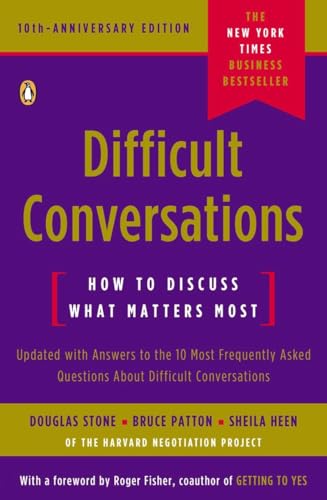
Read the summary → - Difficult Conversations
11
Douglas Stone, Bruce Patton, and Sheila Heen · Business
Difficult Conversations is the product of the Harvard Negotiation Project, the same research group that produced Getting to Yes.
Both dig into conflict.
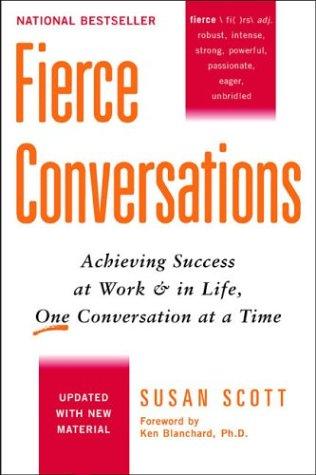
Read the summary → - Fierce Conversations
12
Susan Scott · Business
Fierce Conversations is Susan Scott's argument that the quality of your relationships is determined by the quality of your conversations — and that the conversations most people avoid are precisely the ones that would most improve their relationships and results.
Both dig into conflict.
Read the summary →
Books like The Bottom Billion: Why the Poorest Countries Are Failing and What Can Be Done About It: quick answers
What are the best books like The Bottom Billion: Why the Poorest Countries Are Failing and What Can Be Done About It?
The best books like The Bottom Billion: Why the Poorest Countries Are Failing and What Can Be Done About It by Paul Collier are The White Man's Burden: Why the West's Efforts to Aid the Rest Have Done So Much Ill and So Little Good by William Easterly, Sapiens: A Brief History of Humankind by Yuval Noah Harari, Guns, Germs, and Steel by Jared Diamond, Freakonomics by Steven D. Levitt and Stephen J. Dubner, Thinking, Fast and Slow by Daniel Kahneman, plus 7 more below. Each was chosen for themes it shares with The Bottom Billion: Why the Poorest Countries Are Failing and What Can Be Done About It, such as development economics, poverty traps, conflict.
What should I read after The Bottom Billion: Why the Poorest Countries Are Failing and What Can Be Done About It?
A natural next read after The Bottom Billion: Why the Poorest Countries Are Failing and What Can Be Done About It is The White Man's Burden: Why the West's Efforts to Aid the Rest Have Done So Much Ill and So Little Good by William Easterly. Shares development economics and foreign aid with The Bottom Billion: Why the Poorest Countries Are Failing and What Can Be Done About It. Other strong choices are Sapiens: A Brief History of Humankind by Yuval Noah Harari, Guns, Germs, and Steel by Jared Diamond, Freakonomics by Steven D. Levitt and Stephen J. Dubner.
What books are similar to The Bottom Billion: Why the Poorest Countries Are Failing and What Can Be Done About It by Paul Collier?
The Bottom Billion: Why the Poorest Countries Are Failing and What Can Be Done About It centers on development economics, poverty traps, conflict. Books with a similar feel include The White Man's Burden: Why the West's Efforts to Aid the Rest Have Done So Much Ill and So Little Good by William Easterly, Sapiens: A Brief History of Humankind by Yuval Noah Harari, Guns, Germs, and Steel by Jared Diamond, Freakonomics by Steven D. Levitt and Stephen J. Dubner, Thinking, Fast and Slow by Daniel Kahneman, Dead Aid: Why Aid Is Not Working and How There Is a Better Way for Africa by Dambisa Moyo — all free to read and chat with on Superbook.
