Science · Similar reads
Books like Livewired: The Inside Story of the Ever-Changing Brain
The best books like Livewired: The Inside Story of the Ever-Changing Brain are The Brain That Changes Itself, Phantoms in the Brain: Probing the Mysteries of the Human Mind, and Seven and a Half Lessons About the Brain. Livewired: The Inside Story of the Ever-Changing Brain by David Eagleman is about neuroplasticity, brain, perception. If that's what drew you in, here are 12 books that share its DNA — each summarized on Superbook, and ready to chat with in the app.
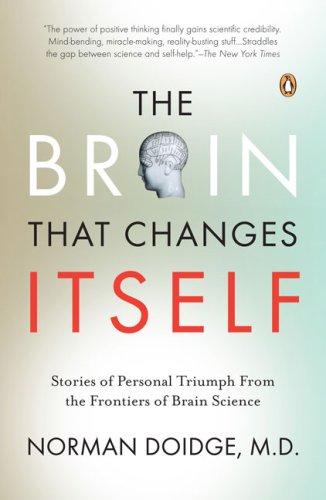
- The Brain That Changes Itself
01
Norman Doidge · Psychology
Norman Doidge is a Canadian psychiatrist who traveled to interview the scientists and patients at the frontier of neuroplasticity research in the mid-2000s.
Shares neuroplasticity and perception with Livewired: The Inside Story of the Ever-Changing Brain.
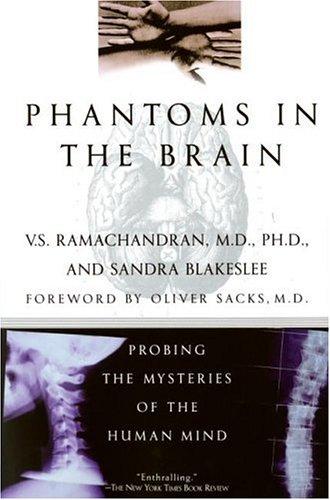
Read the summary → - Phantoms in the Brain: Probing the Mysteries of the Human Mind
02
Phantoms in the Brain: Probing the Mysteries of the Human Mind
V. S. Ramachandran and Sandra Blakeslee · Psychology
V.
Both dig into perception.
Read the summary → - Seven and a Half Lessons About the Brain

03
Seven and a Half Lessons About the Brain
Lisa Feldman Barrett · Psychology
Lisa Feldman Barrett wrote this short book — genuinely short at under thirty thousand words — as an accessible introduction to seven core findings of modern neuroscience, each presented as a lesson that overturns something most people believe.
A kindred science read.
Read the summary →
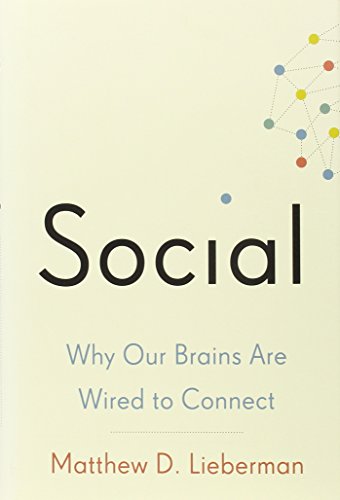
- Social: Why Our Brains Are Wired to Connect
04
Social: Why Our Brains Are Wired to Connect
Matthew D. Lieberman · Psychology
Matthew Lieberman is one of the founders of social neuroscience, the field that uses brain imaging and neuroscience methods to study social behavior.
A kindred science read.
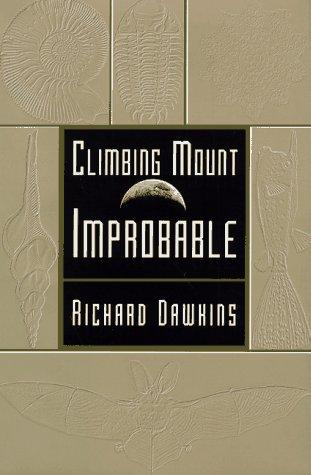
Read the summary → - Climbing Mount Improbable
05
Richard Dawkins · Science
Climbing Mount Improbable is Richard Dawkins's response to the persistent intuition that complex biological structures — the vertebrate eye, insect wings, spider webs — are too improbable to have evolved by chance.
Both dig into adaptation.
Read the summary → - Code: The Hidden Language of Computer Hardware and Software
06
Code: The Hidden Language of Computer Hardware and Software
Charles Petzold · Science
Code is Charles Petzold's explanation of how computers work, built from first principles.
Both dig into technology.
Read the summary → - How Buildings Learn

07
Stewart Brand · Science
How Buildings Learn is Stewart Brand's argument that buildings are not finished products but ongoing processes — and that the buildings most valued over time are those designed to change gracefully rather than resist change defensively.
Both dig into adaptation.
Read the summary → - How the Mind Works
08
Steven Pinker · Science
How the Mind Works is Steven Pinker's synthesis of cognitive science and evolutionary psychology, built around a central thesis: the mind is a computational system — a neural computer — shaped by natural selection to solve the adaptive problems that faced our ancestors on the Pleistocene savanna.
Both dig into perception.
Read the summary → - On the Origin of Species
09
Charles Darwin · Science
On the Origin of Species, published in 1859, is the book in which Charles Darwin presented the theory of evolution by natural selection to the general reading public.
Both dig into adaptation.
Read the summary → - The Blind Watchmaker
10
Richard Dawkins · Science
The Blind Watchmaker is Richard Dawkins's argument that natural selection — cumulative, non-random selection acting on random variation — is sufficient to explain the apparent design in biological organisms.
Both dig into adaptation.
Read the summary → - The Brain's Way of Healing
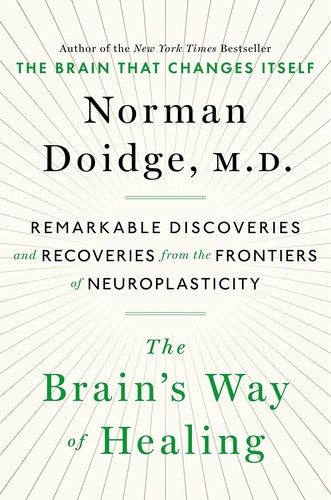
11
Norman Doidge · Science
The Brain's Way of Healing is Norman Doidge's follow-up to The Brain That Changes Itself and extends its central argument: the brain retains significant capacity to reorganize itself throughout life, and this plasticity can be deliberately harnessed to treat conditions that conventional medicine has largely written off as permanent.
Both dig into neuroplasticity.
Read the summary → - The Code Book: The Science of Secrecy from Ancient Egypt to Quantum Cryptography
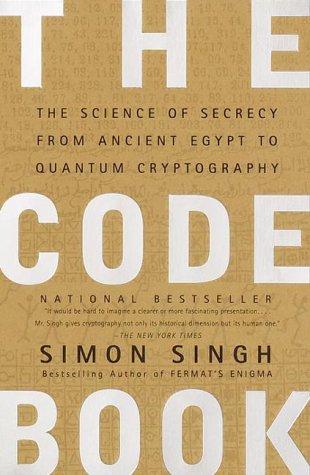
12
The Code Book: The Science of Secrecy from Ancient Egypt to Quantum Cryptography
Simon Singh · Science
Simon Singh's The Code Book traces the history of cryptography from Caesar's cipher through the breaking of Enigma to the mathematics of public-key encryption and the looming possibility of quantum cryptography.
Both dig into technology.
Read the summary →
Books like Livewired: The Inside Story of the Ever-Changing Brain: quick answers
What are the best books like Livewired: The Inside Story of the Ever-Changing Brain?
The best books like Livewired: The Inside Story of the Ever-Changing Brain by David Eagleman are The Brain That Changes Itself by Norman Doidge, Phantoms in the Brain: Probing the Mysteries of the Human Mind by V. S. Ramachandran and Sandra Blakeslee, Seven and a Half Lessons About the Brain by Lisa Feldman Barrett, Social: Why Our Brains Are Wired to Connect by Matthew D. Lieberman, Climbing Mount Improbable by Richard Dawkins, plus 7 more below. Each was chosen for themes it shares with Livewired: The Inside Story of the Ever-Changing Brain, such as neuroplasticity, brain, perception.
What should I read after Livewired: The Inside Story of the Ever-Changing Brain?
A natural next read after Livewired: The Inside Story of the Ever-Changing Brain is The Brain That Changes Itself by Norman Doidge. Shares neuroplasticity and perception with Livewired: The Inside Story of the Ever-Changing Brain. Other strong choices are Phantoms in the Brain: Probing the Mysteries of the Human Mind by V. S. Ramachandran and Sandra Blakeslee, Seven and a Half Lessons About the Brain by Lisa Feldman Barrett, Social: Why Our Brains Are Wired to Connect by Matthew D. Lieberman.
What books are similar to Livewired: The Inside Story of the Ever-Changing Brain by David Eagleman?
Livewired: The Inside Story of the Ever-Changing Brain centers on neuroplasticity, brain, perception. Books with a similar feel include The Brain That Changes Itself by Norman Doidge, Phantoms in the Brain: Probing the Mysteries of the Human Mind by V. S. Ramachandran and Sandra Blakeslee, Seven and a Half Lessons About the Brain by Lisa Feldman Barrett, Social: Why Our Brains Are Wired to Connect by Matthew D. Lieberman, Climbing Mount Improbable by Richard Dawkins, Code: The Hidden Language of Computer Hardware and Software by Charles Petzold — all free to read and chat with on Superbook.
