Psychology · Similar reads
Books like The Compassionate Mind
The best books like The Compassionate Mind are The Mindful Way Through Depression, The Noonday Demon, and The Upside of Stress. The Compassionate Mind by Paul Gilbert is about self-compassion, shame, emotional regulation. If that's what drew you in, here are 12 books that share its DNA — each summarized on Superbook, and ready to chat with in the app.
- The Mindful Way Through Depression
01
The Mindful Way Through Depression
Mark Williams · Health
The Mindful Way Through Depression is a clinical self-help book by four researchers — Mark Williams, John Teasdale, Zindel Segal, and Jon Kabat-Zinn — who developed Mindfulness-Based Cognitive Therapy, a treatment program with strong evidence for reducing depression relapse.
Both dig into emotional regulation.
Read the summary → - The Noonday Demon
02
Andrew Solomon · Health
The Noonday Demon is Andrew Solomon's exhaustive, literary account of depression — his own experience of it, its science and treatment history, its cultural and political dimensions, and the lives of people living with it across the world.
Both dig into mental health.
Read the summary → - The Upside of Stress
03
Kelly McGonigal · Health
The Upside of Stress is Kelly McGonigal's evidence-based argument that the harm of stress is mediated less by stress itself than by the belief that stress is harmful.
A kindred psychology read.
Read the summary →
- Why Buddhism Is True
04
Robert Wright · Religion & Spirituality
Why Buddhism Is True is Robert Wright's argument that modern evolutionary psychology and neuroscience provide independent confirmation for core Buddhist claims about the mind, suffering, and the nature of the self.
Both dig into evolutionary psychology.
Read the summary → - Good Reasons for Bad Feelings: Insights from the Frontier of Evolutionary Psychiatry

05
Good Reasons for Bad Feelings: Insights from the Frontier of Evolutionary Psychiatry
Randolph M. Nesse · Psychology
Randolph Nesse spent forty years as a psychiatrist and evolutionary biologist asking a question most of his colleagues found strange: why did natural selection leave us so vulnerable to anxiety, depression, and other forms of suffering?
Shares evolutionary psychology and mental health with The Compassionate Mind.
Read the summary → - The Perfection Trap
06
Thomas Curran · Psychology
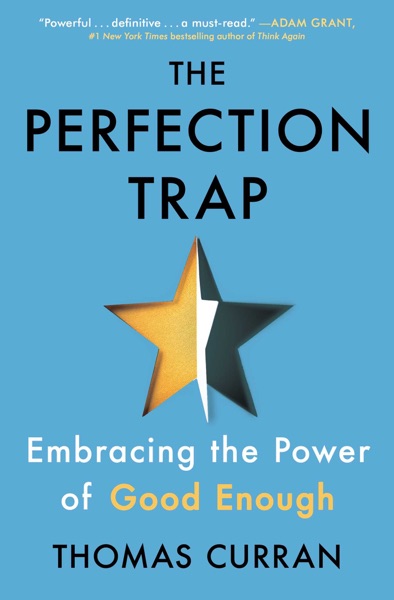
The Perfection Trap is a social psychologist's case that perfectionism isn't a personality quirk or an asset but a cultural epidemic — and that rates of perfectionism have risen sharply over the past three decades, driven by specific social and economic forces.
Shares self-compassion and mental health with The Compassionate Mind.
Read the summary → - Radical Acceptance

07
Tara Brach · Religion & Spirituality
Tara Brach, a psychologist and Buddhist meditation teacher, wrote Radical Acceptance as a response to what she calls the trance of unworthiness — the pervasive background feeling that something is fundamentally wrong with us, that we are not enough.
Shares self-compassion and shame with The Compassionate Mind.
Read the summary → - The Gifts of Imperfection
08
Brené Brown · Self-help
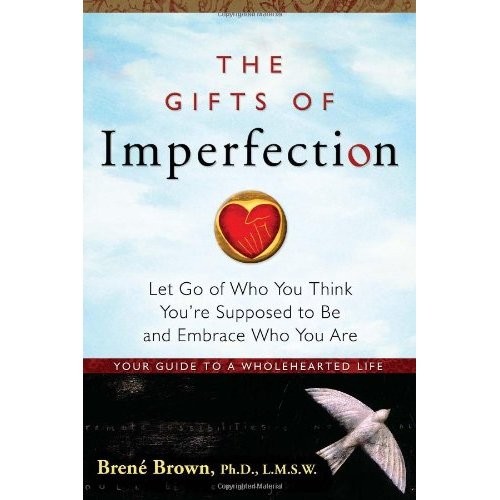
The Gifts of Imperfection is Brené Brown's attempt to translate a decade of qualitative research on shame, vulnerability, and belonging into practical guidance for everyday life.
Shares self-compassion and shame with The Compassionate Mind.
Read the summary → - An Unquiet Mind
09
Kay Redfield Jamison · Psychology
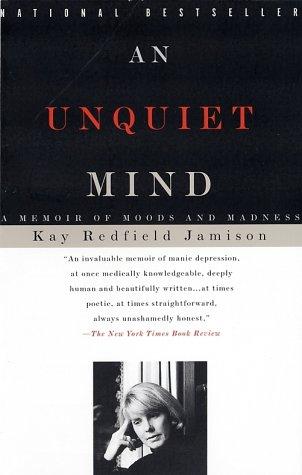
Kay Redfield Jamison is a psychiatrist and professor who has manic-depressive illness.
Both dig into mental health.
Read the summary → - Chatter: The Voice in Our Head, Why It Matters, and How to Harness It

10
Chatter: The Voice in Our Head, Why It Matters, and How to Harness It
Ethan Kross · Psychology
Humans talk to themselves more or less constantly.
Both dig into emotional regulation.
Read the summary → - Good Inside: A Guide to Becoming the Parent You Want to Be
11
Good Inside: A Guide to Becoming the Parent You Want to Be
Becky Kennedy · Psychology
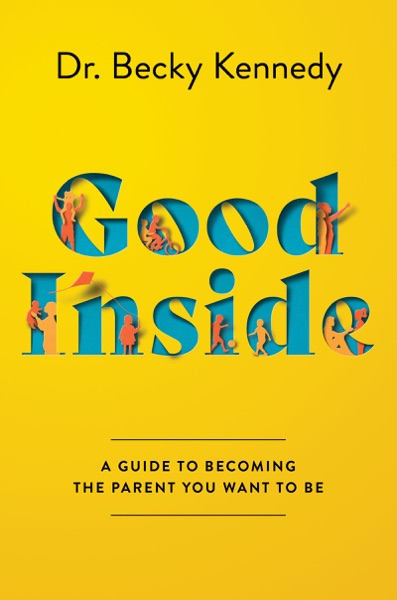
Good Inside is clinical psychologist Becky Kennedy's guide to a parenting philosophy built around one central premise: children are fundamentally good inside, and difficult behaviors are not character flaws or manipulation but signals of unmet needs or underdeveloped skills.
Both dig into emotional regulation.
Read the summary → - I Thought It Was Just Me (but it isn't)
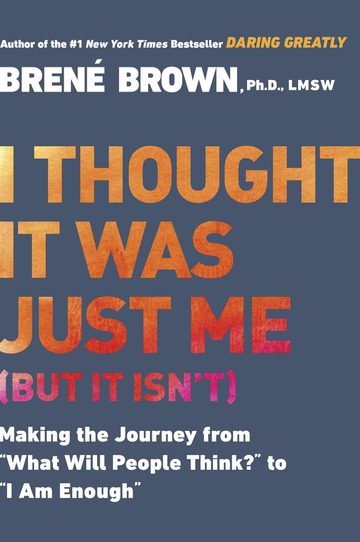
12
I Thought It Was Just Me (but it isn't)
Brené Brown · Psychology
I Thought It Was Just Me is Brené Brown's first major book, written from her research on shame as a social scientist.
Both dig into shame.
Read the summary →
Books like The Compassionate Mind: quick answers
What are the best books like The Compassionate Mind?
The best books like The Compassionate Mind by Paul Gilbert are The Mindful Way Through Depression by Mark Williams, The Noonday Demon by Andrew Solomon, The Upside of Stress by Kelly McGonigal, Why Buddhism Is True by Robert Wright, Good Reasons for Bad Feelings: Insights from the Frontier of Evolutionary Psychiatry by Randolph M. Nesse, plus 7 more below. Each was chosen for themes it shares with The Compassionate Mind, such as self-compassion, shame, emotional regulation.
What should I read after The Compassionate Mind?
A natural next read after The Compassionate Mind is The Mindful Way Through Depression by Mark Williams. Both dig into emotional regulation. Other strong choices are The Noonday Demon by Andrew Solomon, The Upside of Stress by Kelly McGonigal, Why Buddhism Is True by Robert Wright.
What books are similar to The Compassionate Mind by Paul Gilbert?
The Compassionate Mind centers on self-compassion, shame, emotional regulation. Books with a similar feel include The Mindful Way Through Depression by Mark Williams, The Noonday Demon by Andrew Solomon, The Upside of Stress by Kelly McGonigal, Why Buddhism Is True by Robert Wright, Good Reasons for Bad Feelings: Insights from the Frontier of Evolutionary Psychiatry by Randolph M. Nesse, The Perfection Trap by Thomas Curran — all free to read and chat with on Superbook.
