Psychology · Similar reads
Books like The Elephant in the Brain: Hidden Motives in Everyday Life
The best books like The Elephant in the Brain: Hidden Motives in Everyday Life are Misbehaving: The Making of Behavioral Economics, The Social Animal, and Subliminal: How Your Unconscious Mind Rules Your Behavior. The Elephant in the Brain: Hidden Motives in Everyday Life by Kevin Simler and Robin Hanson is about hidden motives, self-deception, social signaling. If that's what drew you in, here are 12 books that share its DNA — each summarized on Superbook, and ready to chat with in the app.
- Misbehaving: The Making of Behavioral Economics
01
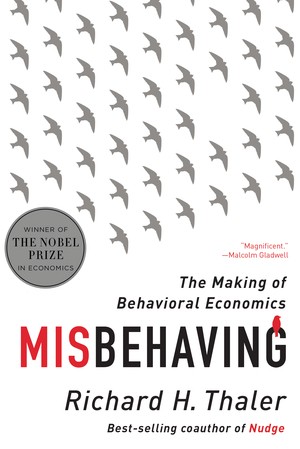
Misbehaving: The Making of Behavioral Economics
Richard H. Thaler · Psychology
Richard Thaler is one of the founders of behavioral economics, the field that took the anomalies in standard economic theory seriously rather than dismissing them as noise.
Both dig into behavioral economics.
Read the summary → - The Social Animal
02
Elliot Aronson · Psychology
Elliot Aronson is one of the most influential social psychologists in the history of the field, and The Social Animal, first published in 1972 and now in its twelfth edition, is the textbook introduction to social psychology that has shaped how generations of students think about human behavior.
A kindred psychology read.
Read the summary → - Subliminal: How Your Unconscious Mind Rules Your Behavior
03
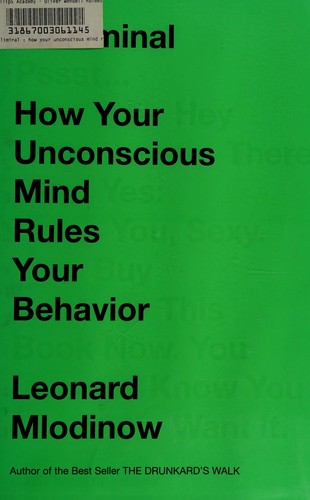
Subliminal: How Your Unconscious Mind Rules Your Behavior
Leonard Mlodinow · Psychology
Leonard Mlodinow is a theoretical physicist who writes accessible science for general audiences.
A kindred psychology read.
Read the summary →
- Mistakes Were Made (But Not by Me)
04
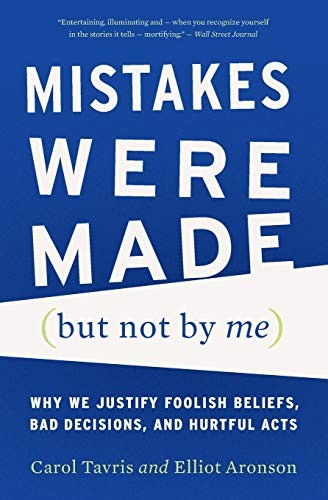
Mistakes Were Made (But Not by Me)
Carol Tavris and Elliot Aronson · Psychology
Carol Tavris and Elliot Aronson wrote this book about the mechanisms by which people protect their sense of themselves as competent, moral, and well-intentioned after they have done something that contradicts that self-image.
A kindred psychology read.
Read the summary → - Incognito: The Secret Lives of the Brain
05
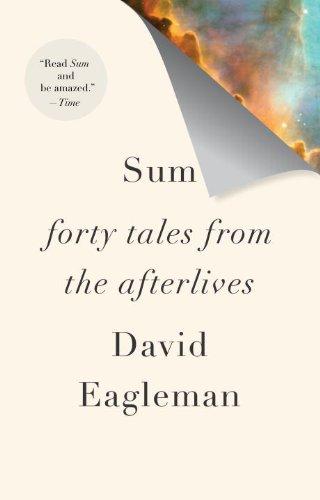
Incognito: The Secret Lives of the Brain
David Eagleman · Psychology
David Eagleman is a neuroscientist at Stanford who argues that the conscious self is a late, small, and largely uninformed participant in the brain's activity.
A kindred psychology read.
Read the summary → - Dollars and Sense
06
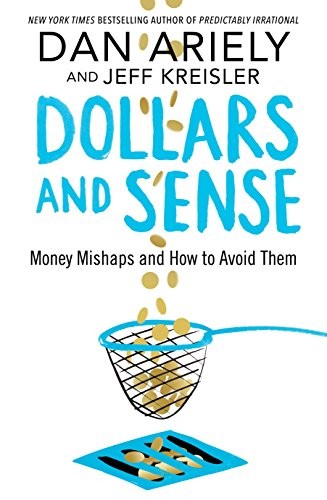
Dan Ariely · Psychology
Dollars and Sense is Dan Ariely and Jeff Kreisler's examination of why people consistently make bad financial decisions even when they have the information and intention to do otherwise.
Both dig into behavioral economics.
Read the summary → - Mind Over Money
07
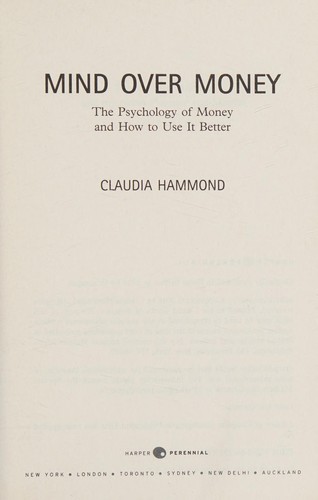
Claudia Hammond · Psychology
Mind Over Money is Claudia Hammond's survey of the research on how people actually think about, feel about, and make decisions with money — which turns out to be considerably less rational than economic theory assumes.
Both dig into behavioral economics.
Read the summary → - Predictably Irrational
08
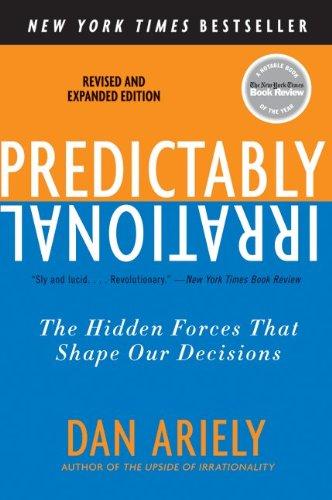
Dan Ariely · Psychology
Predictably Irrational is Dan Ariely's examination of how humans make decisions that are consistently, systematically irrational — not random or arbitrary, but irrational in ways that follow patterns.
Both dig into behavioral economics.
Read the summary → - Scarcity: Why Having Too Little Means So Much
09
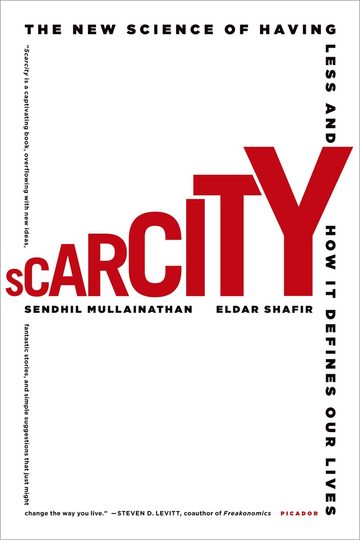
Scarcity: Why Having Too Little Means So Much
Sendhil Mullainathan and Eldar Shafir · Psychology
Scarcity is Sendhil Mullainathan and Eldar Shafir's argument that the experience of having too little — of any resource — produces a predictable cognitive syndrome with consequences that extend far beyond the original deficit.
Both dig into behavioral economics.
Read the summary → - Seven and a Half Lessons About the Brain

10
Seven and a Half Lessons About the Brain
Lisa Feldman Barrett · Psychology
Lisa Feldman Barrett wrote this short book — genuinely short at under thirty thousand words — as an accessible introduction to seven core findings of modern neuroscience, each presented as a lesson that overturns something most people believe.
Both dig into evolution.
Read the summary → - The (Honest) Truth About Dishonesty
11
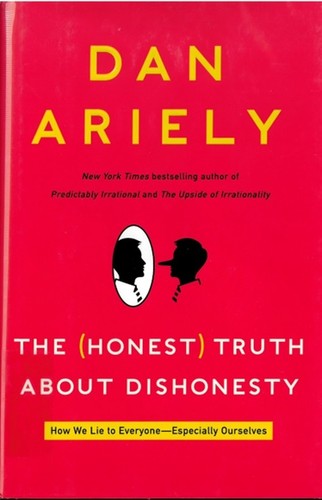
The (Honest) Truth About Dishonesty
Dan Ariely · Psychology
Dan Ariely is a behavioral economist at Duke who studies irrational behavior, and this book applies that framework to a question most people prefer not to examine too closely: why do people cheat?
Both dig into behavioral economics.
Read the summary → - The Art of Thinking Clearly
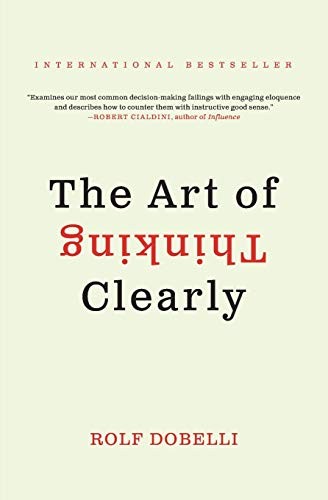
12
Rolf Dobelli · Psychology
Rolf Dobelli is a Swiss entrepreneur and novelist who wrote a series of short newspaper columns on cognitive biases, later collected and expanded into this book.
Both dig into behavioral economics.
Read the summary →
Books like The Elephant in the Brain: Hidden Motives in Everyday Life: quick answers
What are the best books like The Elephant in the Brain: Hidden Motives in Everyday Life?
The best books like The Elephant in the Brain: Hidden Motives in Everyday Life by Kevin Simler and Robin Hanson are Misbehaving: The Making of Behavioral Economics by Richard H. Thaler, The Social Animal by Elliot Aronson, Subliminal: How Your Unconscious Mind Rules Your Behavior by Leonard Mlodinow, Mistakes Were Made (But Not by Me) by Carol Tavris and Elliot Aronson, Incognito: The Secret Lives of the Brain by David Eagleman, plus 7 more below. Each was chosen for themes it shares with The Elephant in the Brain: Hidden Motives in Everyday Life, such as hidden motives, self-deception, social signaling.
What should I read after The Elephant in the Brain: Hidden Motives in Everyday Life?
A natural next read after The Elephant in the Brain: Hidden Motives in Everyday Life is Misbehaving: The Making of Behavioral Economics by Richard H. Thaler. Both dig into behavioral economics. Other strong choices are The Social Animal by Elliot Aronson, Subliminal: How Your Unconscious Mind Rules Your Behavior by Leonard Mlodinow, Mistakes Were Made (But Not by Me) by Carol Tavris and Elliot Aronson.
What books are similar to The Elephant in the Brain: Hidden Motives in Everyday Life by Kevin Simler and Robin Hanson?
The Elephant in the Brain: Hidden Motives in Everyday Life centers on hidden motives, self-deception, social signaling. Books with a similar feel include Misbehaving: The Making of Behavioral Economics by Richard H. Thaler, The Social Animal by Elliot Aronson, Subliminal: How Your Unconscious Mind Rules Your Behavior by Leonard Mlodinow, Mistakes Were Made (But Not by Me) by Carol Tavris and Elliot Aronson, Incognito: The Secret Lives of the Brain by David Eagleman, Dollars and Sense by Dan Ariely — all free to read and chat with on Superbook.
