Self-help · Similar reads
Books like The First 20 Hours
The best books like The First 20 Hours are Ultralearning, Peak: Secrets from the New Science of Expertise, and Mindset: The New Psychology of Success. The First 20 Hours by Josh Kaufman is about skill acquisition, deliberate practice, learning. If that's what drew you in, here are 12 books that share its DNA — each summarized on Superbook, and ready to chat with in the app.
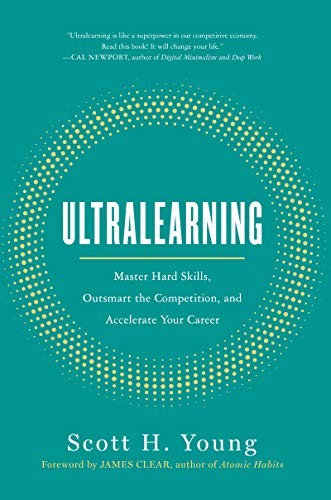
- Ultralearning
01
Scott Young · Self-help
Ultralearning is Scott Young's synthesis of principles drawn from his own extreme learning projects — completing MIT's four-year computer science curriculum in one year, learning four languages in a year, and other aggressive self-directed learning experiments — and from the academic research on skill acquisition and deliberate practice.
Shares skill acquisition and deliberate practice with The First 20 Hours.
Read the summary → - Peak: Secrets from the New Science of Expertise
02
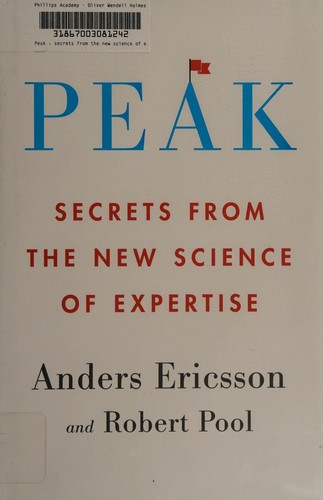
Peak: Secrets from the New Science of Expertise
Anders Ericsson and Robert Pool · Science
Peak is Anders Ericsson's definitive account of deliberate practice — the specific type of focused, feedback-driven training that, more than any other factor, determines how expert people become in demanding fields.
Shares skill acquisition and deliberate practice with The First 20 Hours.
Read the summary → - Mindset: The New Psychology of Success
03
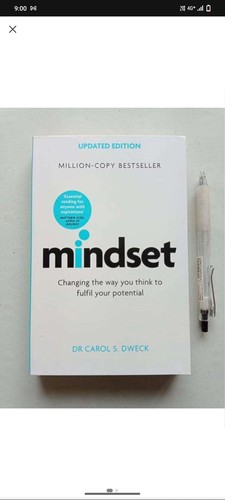
Mindset: The New Psychology of Success
Carol S. Dweck · Psychology
Carol Dweck's central claim is simple but far-reaching: people hold one of two basic beliefs about their own abilities.
Both dig into learning.
Read the summary →
- The Talent Code
04
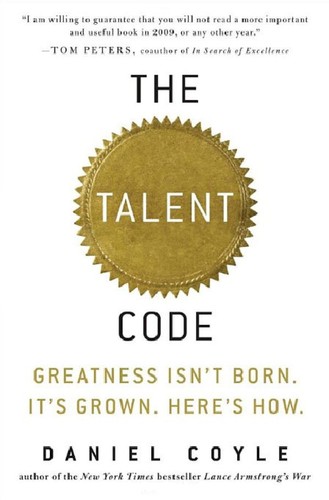
Daniel Coyle · Science
The Talent Code is Daniel Coyle's investigation into why certain places — a tennis academy in Russia, a soccer training ground in Brazil, a music conservatory in Texas — produce a disproportionate number of world-class performers.
Shares skill acquisition and deliberate practice with The First 20 Hours.
Read the summary → - Effortless: Make It Easier to Do What Matters Most
05
Effortless: Make It Easier to Do What Matters Most
Greg McKeown · Self-help
Effortless is McKeown's follow-up to Essentialism, and where that book asked which things matter, this one asks why the right things always feel so hard.
Shares productivity and self-improvement with The First 20 Hours.
Read the summary → - Learn Like a Pro
06
Barbara Oakley and Olav Schewe · Self-help
Learn Like a Pro is a concise, evidence-based guide to studying more effectively, written by Barbara Oakley — the engineer-turned-neuroscientist best known for A Mind for Numbers and the Coursera course "Learning How to Learn" — and Olav Schewe, a student learning consultant.
Shares learning and productivity with The First 20 Hours.
Read the summary → - The Little Book of Talent
07
Daniel Coyle · Self-help
The Little Book of Talent is Daniel Coyle's condensed follow-up to The Talent Code, distilling his observations of high-performance training environments into 52 concrete tips.
Shares skill acquisition and deliberate practice with The First 20 Hours.
Read the summary → - Make It Stick
08
Peter C. Brown, Henry L. Roediger and Mark A. McDaniel · Science
Make It Stick is a book about how memory actually works, and why the study techniques most people rely on — re-reading, highlighting, massed practice — are among the least effective ways to learn.
Shares skill acquisition and learning with The First 20 Hours.
Read the summary → - A Mind for Numbers
09
Barbara Oakley · Self-help
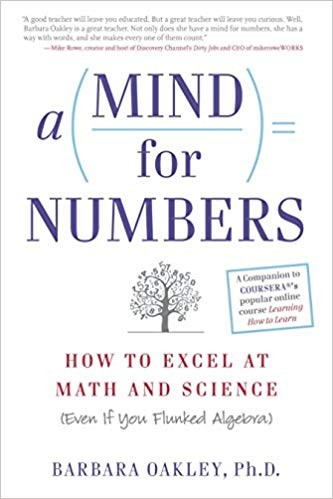
A Mind for Numbers is Barbara Oakley's guide to learning hard subjects effectively, written primarily for students struggling with mathematics and science but drawing on cognitive science principles that apply to any demanding field.
Both dig into learning.
Read the summary → - Atomic Habits
10
James Clear · Self-help
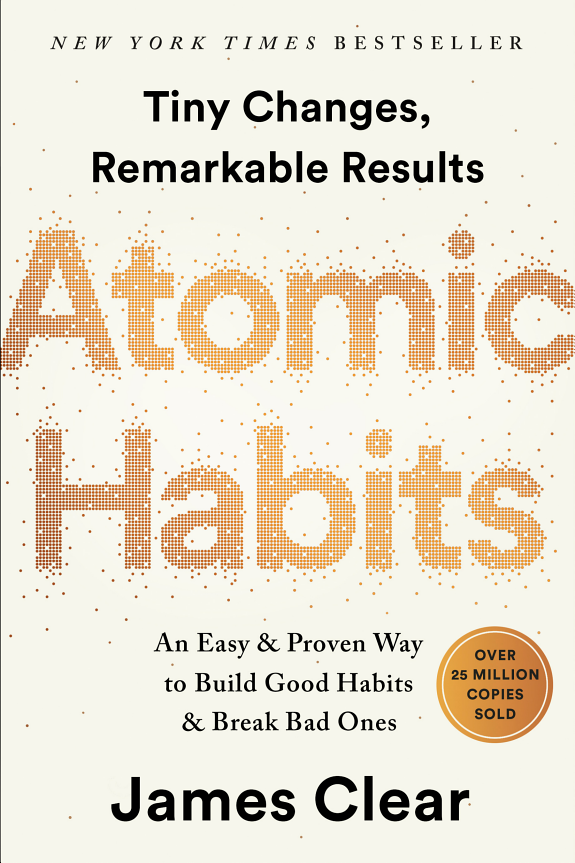
Atomic Habits is James Clear's framework for how very small changes — habits so minor they seem to make no difference on any given day — compound into remarkable results over months and years.
Both dig into self-improvement.
Read the summary → - Deep Work
11
Cal Newport · Self-help
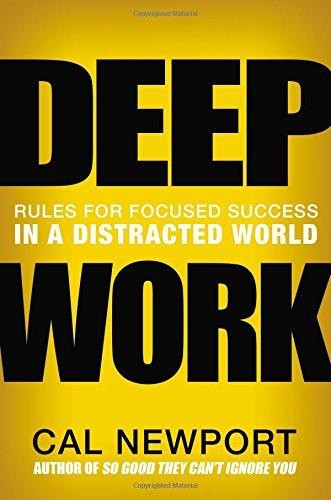
Deep Work is Cal Newport's case that the ability to focus without distraction on a cognitively demanding task is becoming both rarer and more valuable, and that people who cultivate it will thrive while everyone else stays stuck in shallow busywork.
Both dig into productivity.
Read the summary → - Do Less, Get More
12
Shaa Wasmund · Self-help
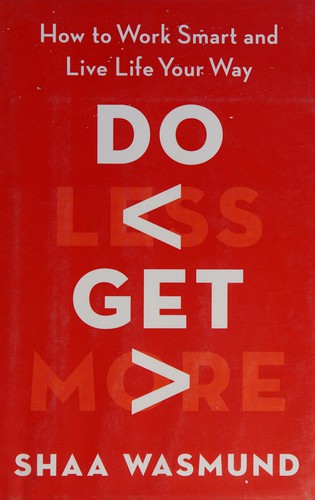
Do Less, Get More is Shaa Wasmund's argument that most people's productivity problem is not a shortage of effort or time but an excess of wrong activity.
Both dig into productivity.
Read the summary →
Books like The First 20 Hours: quick answers
What are the best books like The First 20 Hours?
The best books like The First 20 Hours by Josh Kaufman are Ultralearning by Scott Young, Peak: Secrets from the New Science of Expertise by Anders Ericsson and Robert Pool, Mindset: The New Psychology of Success by Carol S. Dweck, The Talent Code by Daniel Coyle, Effortless: Make It Easier to Do What Matters Most by Greg McKeown, plus 7 more below. Each was chosen for themes it shares with The First 20 Hours, such as skill acquisition, deliberate practice, learning.
What should I read after The First 20 Hours?
A natural next read after The First 20 Hours is Ultralearning by Scott Young. Shares skill acquisition and deliberate practice with The First 20 Hours. Other strong choices are Peak: Secrets from the New Science of Expertise by Anders Ericsson and Robert Pool, Mindset: The New Psychology of Success by Carol S. Dweck, The Talent Code by Daniel Coyle.
What books are similar to The First 20 Hours by Josh Kaufman?
The First 20 Hours centers on skill acquisition, deliberate practice, learning. Books with a similar feel include Ultralearning by Scott Young, Peak: Secrets from the New Science of Expertise by Anders Ericsson and Robert Pool, Mindset: The New Psychology of Success by Carol S. Dweck, The Talent Code by Daniel Coyle, Effortless: Make It Easier to Do What Matters Most by Greg McKeown, Learn Like a Pro by Barbara Oakley and Olav Schewe — all free to read and chat with on Superbook.
