Psychology · Similar reads
Books like The Righteous Mind: Why Good People Are Divided by Politics and Religion
The best books like The Righteous Mind: Why Good People Are Divided by Politics and Religion are Thinking, Fast and Slow, Behave: The Biology of Humans at Our Best and Worst, and Sapiens: A Brief History of Humankind. The Righteous Mind: Why Good People Are Divided by Politics and Religion by Jonathan Haidt is about moral psychology, political polarization, intuition. If that's what drew you in, here are 12 books that share its DNA — each summarized on Superbook, and ready to chat with in the app.
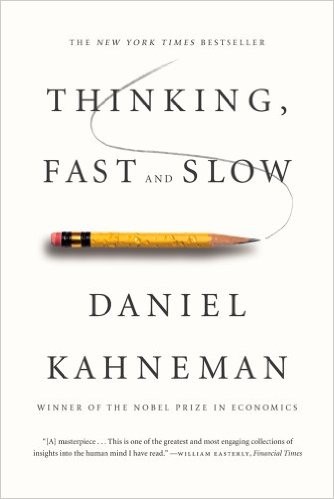
- Thinking, Fast and Slow
01
Daniel Kahneman · Psychology
Thinking, Fast and Slow is Daniel Kahneman's account of the two cognitive systems that govern human thought.
A kindred psychology read.
Read the summary → - Behave: The Biology of Humans at Our Best and Worst
02
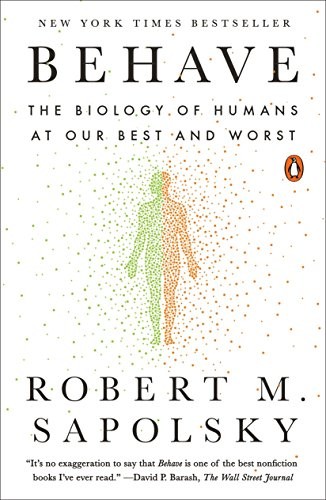
Behave: The Biology of Humans at Our Best and Worst
Robert M. Sapolsky · Science
Behave is Robert Sapolsky's attempt to explain why humans do what they do — the violence, the altruism, the tribalism, the heroism — by working through every layer of biology that contributes to a single act.
A kindred psychology read.
Read the summary → - Sapiens: A Brief History of Humankind
03
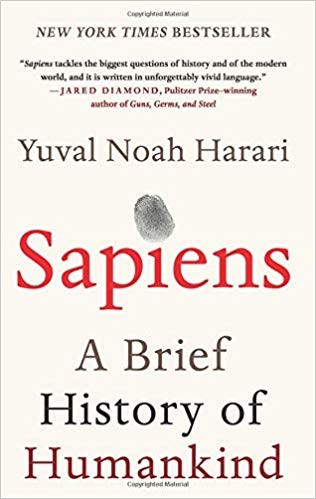
Sapiens: A Brief History of Humankind
Yuval Noah Harari · History
Sapiens traces the full arc of human history from the emergence of Homo sapiens in Africa roughly 70,000 years ago to the present.
A kindred psychology read.
Read the summary →
- The Coddling of the American Mind
04
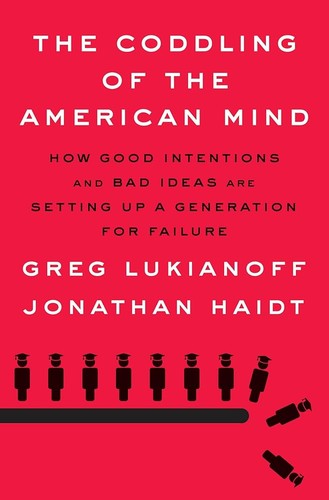
The Coddling of the American Mind
Greg Lukianoff and Jonathan Haidt · Psychology
Greg Lukianoff and Jonathan Haidt argue that American universities — and the parents and institutions that feed them — have adopted three ideas they call the Great Untruths: that what doesn't kill you makes you weaker, that you should always trust your feelings, and that life is a battle between good people and evil people.
A kindred psychology read.
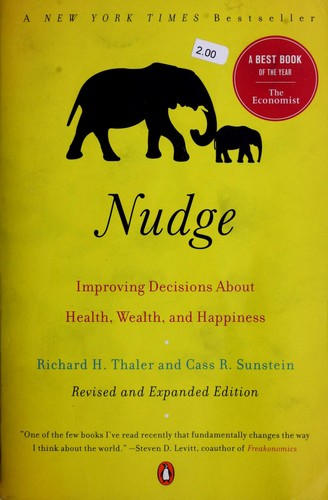
Read the summary → - Nudge: Improving Decisions About Health, Wealth, and Happiness
05
Nudge: Improving Decisions About Health, Wealth, and Happiness
Richard H. Thaler and Cass R. Sunstein · Economics
Nudge is Richard Thaler and Cass Sunstein's argument that the way choices are presented — the default option, the order of items, the framing of a question — powerfully shapes what people decide, often more than their own stated preferences.
A kindred psychology read.
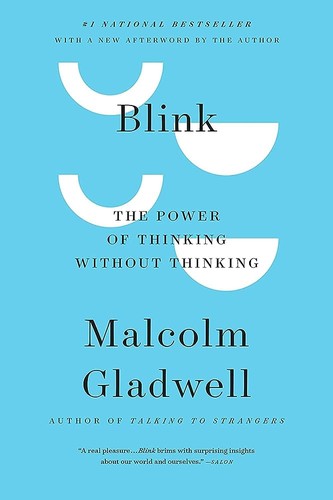
Read the summary → - Blink: The Power of Thinking Without Thinking
06
Blink: The Power of Thinking Without Thinking
Malcolm Gladwell · Psychology
Blink is Malcolm Gladwell's argument that fast, unconscious decisions — the ones made in the first two seconds of encountering something — are often just as reliable as slow, deliberate analysis, and sometimes more so.
Both dig into intuition.
Read the summary → - The Gift of Fear: Survival Signals That Protect Us from Violence

07
The Gift of Fear: Survival Signals That Protect Us from Violence
Gavin de Becker · Psychology
Gavin de Becker's central argument is that fear is a gift, not a problem to manage.
Both dig into intuition.
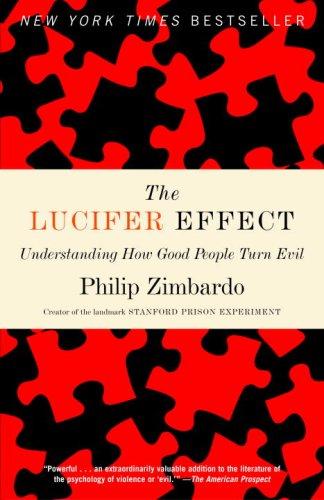
Read the summary → - The Lucifer Effect: Understanding How Good People Turn Evil
08
The Lucifer Effect: Understanding How Good People Turn Evil
Philip Zimbardo · Psychology
Philip Zimbardo designed the Stanford Prison Experiment in 1971, then watched it spin out of control within days.
Both dig into moral psychology.
Read the summary → - Strangers in Their Own Land: Anger and Mourning on the American Right
09
Strangers in Their Own Land: Anger and Mourning on the American Right
Arlie Russell Hochschild · Politics
Strangers in Their Own Land is Arlie Russell Hochschild's attempt to understand the American Right from the inside — specifically, why working-class white Louisianans who live in a state ravaged by the petrochemical industry vote for politicians who oppose the regulations that might clean it up.
Both dig into political polarization.
Read the summary → - The Screwtape Letters
10
C. S. Lewis · Religion & Spirituality
The Screwtape Letters is C.
Both dig into moral psychology.
Read the summary → - The Year of the Flood
11
Margaret Atwood · Science fiction
The Year of the Flood is the second book in Margaret Atwood's MaddAddam trilogy, set in the same near-future corporate dystopia as Oryx and Crake (2003) but following different survivors.
Both dig into religion and community.
Read the summary → - 100 Things Every Designer Needs to Know About People
12
100 Things Every Designer Needs to Know About People
Susan Weinschenk · Psychology
Susan Weinschenk is a behavioral scientist and UX consultant, and this book is her translation of cognitive science research into practical guidance for designers.
A kindred psychology read.
Read the summary →
Books like The Righteous Mind: Why Good People Are Divided by Politics and Religion: quick answers
What are the best books like The Righteous Mind: Why Good People Are Divided by Politics and Religion?
The best books like The Righteous Mind: Why Good People Are Divided by Politics and Religion by Jonathan Haidt are Thinking, Fast and Slow by Daniel Kahneman, Behave: The Biology of Humans at Our Best and Worst by Robert M. Sapolsky, Sapiens: A Brief History of Humankind by Yuval Noah Harari, The Coddling of the American Mind by Greg Lukianoff and Jonathan Haidt, Nudge: Improving Decisions About Health, Wealth, and Happiness by Richard H. Thaler and Cass R. Sunstein, plus 7 more below. Each was chosen for themes it shares with The Righteous Mind: Why Good People Are Divided by Politics and Religion, such as moral psychology, political polarization, intuition.
What should I read after The Righteous Mind: Why Good People Are Divided by Politics and Religion?
A natural next read after The Righteous Mind: Why Good People Are Divided by Politics and Religion is Thinking, Fast and Slow by Daniel Kahneman. A kindred psychology read. Other strong choices are Behave: The Biology of Humans at Our Best and Worst by Robert M. Sapolsky, Sapiens: A Brief History of Humankind by Yuval Noah Harari, The Coddling of the American Mind by Greg Lukianoff and Jonathan Haidt.
What books are similar to The Righteous Mind: Why Good People Are Divided by Politics and Religion by Jonathan Haidt?
The Righteous Mind: Why Good People Are Divided by Politics and Religion centers on moral psychology, political polarization, intuition. Books with a similar feel include Thinking, Fast and Slow by Daniel Kahneman, Behave: The Biology of Humans at Our Best and Worst by Robert M. Sapolsky, Sapiens: A Brief History of Humankind by Yuval Noah Harari, The Coddling of the American Mind by Greg Lukianoff and Jonathan Haidt, Nudge: Improving Decisions About Health, Wealth, and Happiness by Richard H. Thaler and Cass R. Sunstein, Blink: The Power of Thinking Without Thinking by Malcolm Gladwell — all free to read and chat with on Superbook.
