Science · Similar reads
Books like The Shallows: What the Internet Is Doing to Our Brains
The best books like The Shallows: What the Internet Is Doing to Our Brains are The Information: A History, a Theory, a Flood, Deep Work, and The Second Machine Age. The Shallows: What the Internet Is Doing to Our Brains by Nicholas Carr is about neuroscience, internet, cognition. If that's what drew you in, here are 12 books that share its DNA — each summarized on Superbook, and ready to chat with in the app.
- The Information: A History, a Theory, a Flood
01
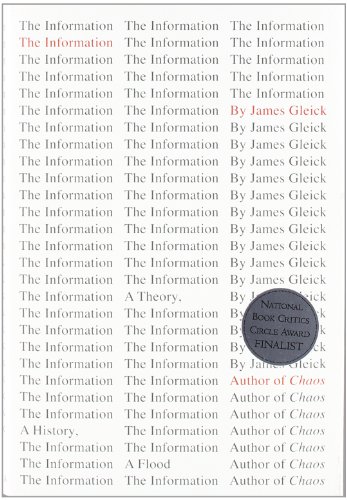
The Information: A History, a Theory, a Flood
James Gleick · Science
The Information traces the history of information — as a concept, a technology, and a way of understanding the universe — from the talking drums of West Africa through the telegraph, the printing press, the telephone, and into the digital age.
A kindred science read.
Read the summary → - Deep Work
02
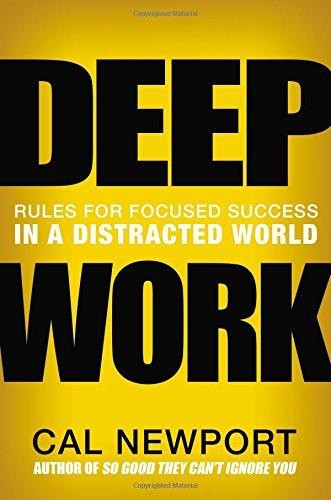
Cal Newport · Self-help
Deep Work is Cal Newport's case that the ability to focus without distraction on a cognitively demanding task is becoming both rarer and more valuable, and that people who cultivate it will thrive while everyone else stays stuck in shallow busywork.
Both dig into attention.
Read the summary → - The Second Machine Age
03
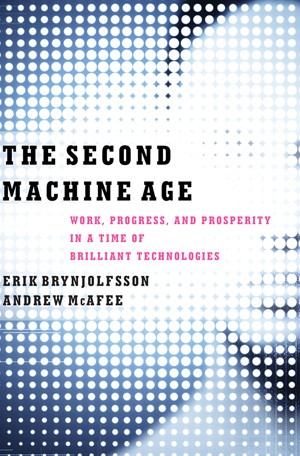
Erik Brynjolfsson and Andrew McAfee · Economics
The Second Machine Age is Erik Brynjolfsson and Andrew McAfee's argument that digital technology has entered a qualitatively new phase — one in which machines can perform cognitive tasks previously reserved for humans, creating economic disruption and opportunity simultaneously.
Both dig into technology.
Read the summary →
- Algorithms to Live By: The Computer Science of Human Decisions
04
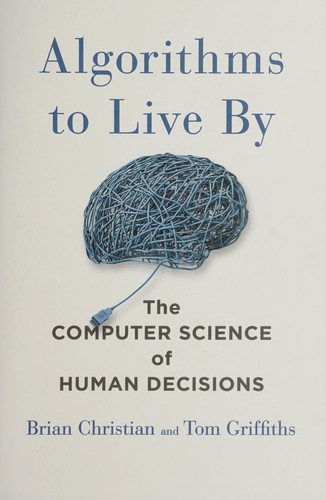
Algorithms to Live By: The Computer Science of Human Decisions
Brian Christian and Tom Griffiths · Psychology
Brian Christian is a writer and Tom Griffiths is a cognitive scientist, and together they argue that computer science has worked out rigorous solutions to many of the problems humans face every day — when to stop searching for a better option, how to manage your schedule, how to sort your memory — and that these solutions are both interesting and useful.
A kindred science read.
Read the summary → - Weapons of Math Destruction
05
Cathy O'Neil · Science
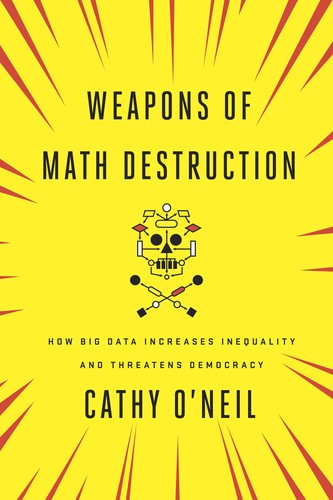
Weapons of Math Destruction is mathematician and data scientist Cathy O'Neil's investigation of how algorithms — statistical models used to make decisions about people's lives — can perpetuate and amplify inequality rather than reduce it.
Both dig into technology.
Read the summary → - The Distracted Mind
06
Adam Gazzaley and Larry D. Rosen · Science
The Distracted Mind brings together two distinct research traditions — cognitive neuroscience and psychology of technology — to explain why modern humans find sustained attention so difficult and what can be done about it.
Shares neuroscience and technology with The Shallows: What the Internet Is Doing to Our Brains.
Read the summary → - The Organized Mind
07
Daniel J. Levitin · Science
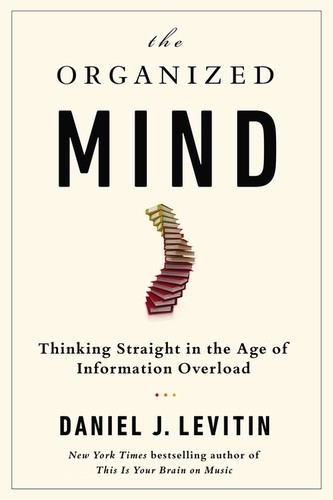
Daniel Levitin's argument is that the human brain's organizational architecture was built for a very different world — one with far fewer decisions, far less information, and far lower cognitive demand than the environment most people now navigate daily.
Shares neuroscience and attention with The Shallows: What the Internet Is Doing to Our Brains.
Read the summary → - Consciousness Explained
08
Daniel C. Dennett · Philosophy
Consciousness Explained is Daniel Dennett's attempt to replace what he calls the Cartesian Theater — the intuitive picture of consciousness as a single unified stream of experience observed by a self — with a model he calls Multiple Drafts.
Shares neuroscience and cognition with The Shallows: What the Internet Is Doing to Our Brains.
Read the summary → - Digital Minimalism
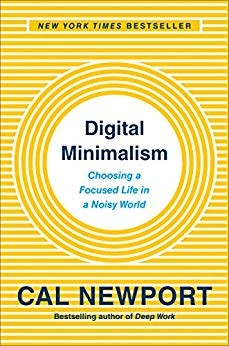
09
Cal Newport · Self-help
Digital Minimalism is Cal Newport's argument that most people's relationship with smartphones and social media is not freely chosen but engineered — the product of business models that monetize attention and design interfaces for compulsion rather than value.
Shares technology and attention with The Shallows: What the Internet Is Doing to Our Brains.
Read the summary → - Indistractable: How to Control Your Attention and Choose Your Life
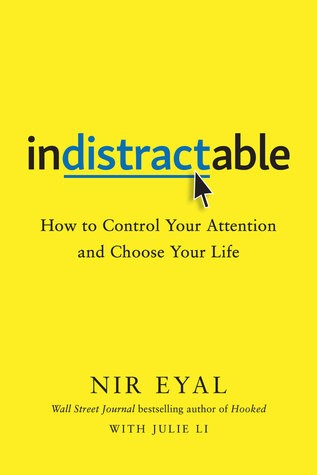
10
Indistractable: How to Control Your Attention and Choose Your Life
Nir Eyal · Self-help
Indistractable is Nir Eyal's argument that distraction is not a technology problem — it's a psychology problem.
Shares technology and attention with The Shallows: What the Internet Is Doing to Our Brains.
Read the summary → - Stolen Focus: Why You Can't Pay Attention—and How to Think Deeply Again
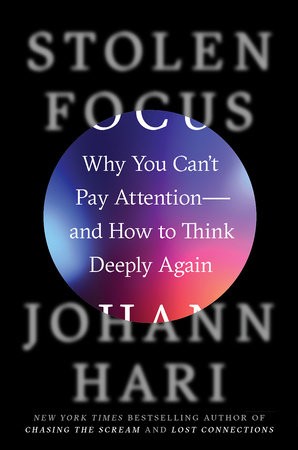
11
Stolen Focus: Why You Can't Pay Attention—and How to Think Deeply Again
Johann Hari · Psychology
Johann Hari's argument is that the collapse of attention is not a personal failing but a political crisis.
Shares technology and attention with The Shallows: What the Internet Is Doing to Our Brains.
Read the summary → - The Seven Sins of Memory
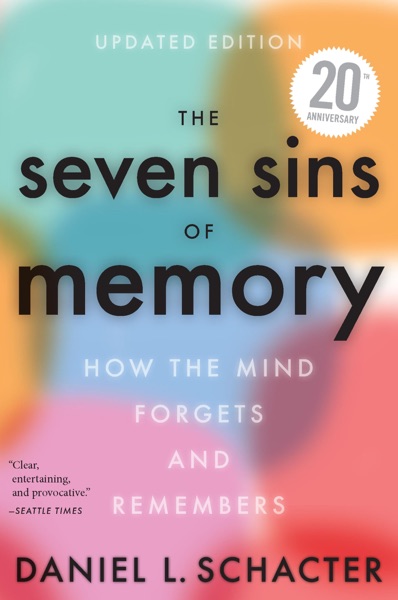
12
Daniel Schacter · Psychology
The Seven Sins of Memory is Daniel Schacter's account of the ways human memory routinely fails, organized around a taxonomy he developed to make the failures legible.
Shares neuroscience and cognition with The Shallows: What the Internet Is Doing to Our Brains.
Read the summary →
Books like The Shallows: What the Internet Is Doing to Our Brains: quick answers
What are the best books like The Shallows: What the Internet Is Doing to Our Brains?
The best books like The Shallows: What the Internet Is Doing to Our Brains by Nicholas Carr are The Information: A History, a Theory, a Flood by James Gleick, Deep Work by Cal Newport, The Second Machine Age by Erik Brynjolfsson and Andrew McAfee, Algorithms to Live By: The Computer Science of Human Decisions by Brian Christian and Tom Griffiths, Weapons of Math Destruction by Cathy O'Neil, plus 7 more below. Each was chosen for themes it shares with The Shallows: What the Internet Is Doing to Our Brains, such as neuroscience, internet, cognition.
What should I read after The Shallows: What the Internet Is Doing to Our Brains?
A natural next read after The Shallows: What the Internet Is Doing to Our Brains is The Information: A History, a Theory, a Flood by James Gleick. A kindred science read. Other strong choices are Deep Work by Cal Newport, The Second Machine Age by Erik Brynjolfsson and Andrew McAfee, Algorithms to Live By: The Computer Science of Human Decisions by Brian Christian and Tom Griffiths.
What books are similar to The Shallows: What the Internet Is Doing to Our Brains by Nicholas Carr?
The Shallows: What the Internet Is Doing to Our Brains centers on neuroscience, internet, cognition. Books with a similar feel include The Information: A History, a Theory, a Flood by James Gleick, Deep Work by Cal Newport, The Second Machine Age by Erik Brynjolfsson and Andrew McAfee, Algorithms to Live By: The Computer Science of Human Decisions by Brian Christian and Tom Griffiths, Weapons of Math Destruction by Cathy O'Neil, The Distracted Mind by Adam Gazzaley and Larry D. Rosen — all free to read and chat with on Superbook.
