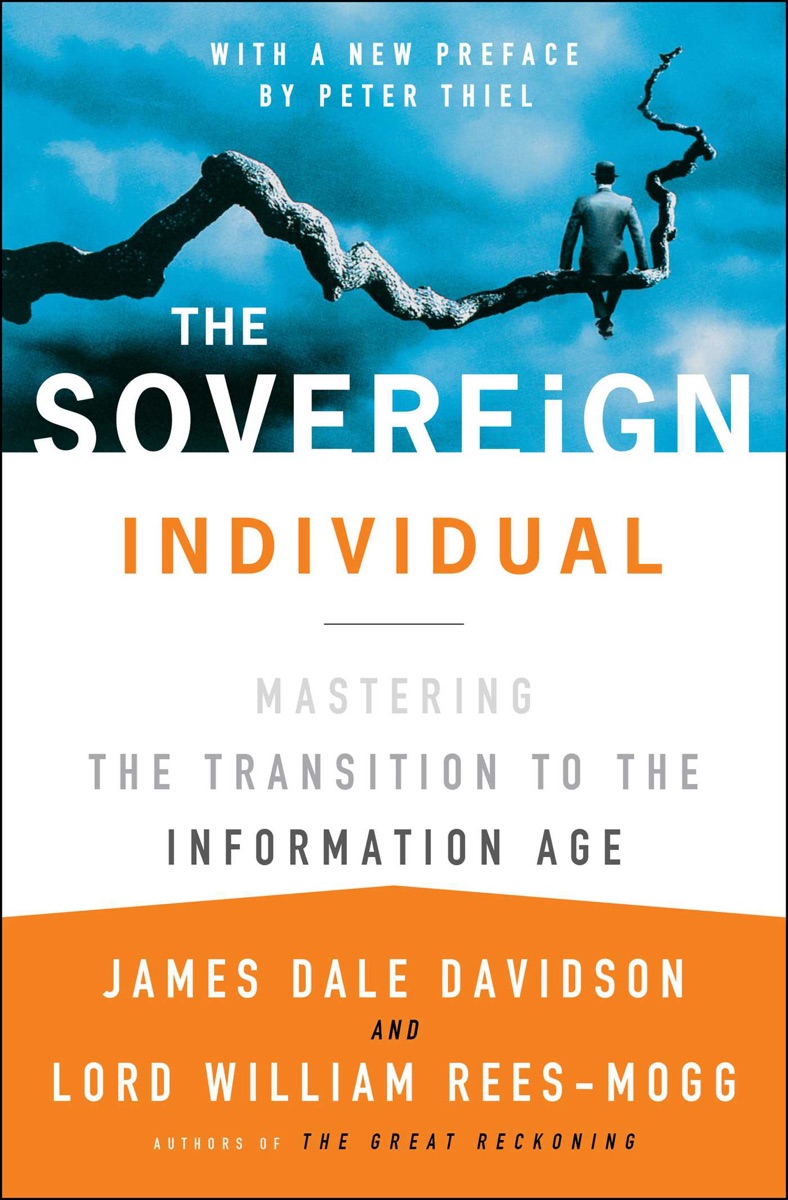
The Sovereign Individual by James Dale Davidson & William Rees-Mogg is a 1997 economics book about technology and power, nation-states, cryptography. Megapolitics governs history: the physical balance of power determines what political institutions survive and which collapse, not ideology or moral progress.
Summary
The Sovereign Individual, published in 1997, is a sweeping argument that the rise of digital technology and cryptographic money will break the monopoly nation-states have held over taxation, violence, and the terms of economic life. Davidson and Rees-Mogg frame history through the lens of what they call "megapolitics": the underlying balance of physical power that determines how societies organize themselves. Each shift in that balance — gunpowder, the printing press, the industrial revolution — dissolved one dominant institution and created another.
Their core thesis is that microprocessors are as profound a force as any of these earlier transitions. Information can now be encrypted, wealth can be held in forms that are physically untaxable, and skilled individuals can route their economic lives around any jurisdiction that becomes extractive. The sovereign individual, in their telling, is a person wealthy and technically capable enough to opt out of the coercive bargain the nation-state has offered for two centuries: protection in exchange for compliance and taxation.
Much of the book is an extended forecast. Davidson and Rees-Mogg predicted the rise of something very like Bitcoin — a cryptographic form of money that governments cannot easily seize or inflate. They predicted the decline of mass democracy as the economics of industrialism that sustained it erode. They predicted violent backlash from those whose livelihoods depend on nation-state structures: welfare recipients, public employees, politically connected industries. These predictions have aged unevenly, with some looking prescient and others dated.
The writing is dense and the argument is sweeping to the point of grandiosity. The book is better read as a provocation than a forecast. Its value lies less in its accuracy than in the framework it provides: that every form of political economy is contingent on physical and technological realities that eventually change. Readers who find the conclusions alarming or elitist — and many will — are still left with the core question: if technology does erode the nation-state's enforcement capacity, what replaces it?
Talk to The Sovereign Individual like its author wrote you back.
Get the ideas that fit your life — not generic summaries.
- Chat with the book
- Audiobook-style main ideas
- Adapts to your life and goals
- Helps you take action
Key takeaways
- 1.
Megapolitics governs history: the physical balance of power determines what political institutions survive and which collapse, not ideology or moral progress.
- 2.
The printing press, gunpowder, and industrialism each destroyed one ruling class and created another. Microprocessors are doing the same thing now.
- 3.
Cryptography enables wealth that cannot be taxed by territorial governments. The authors predicted something essentially identical to Bitcoin in 1997.
- 4.
Nation-states extract rents from those who cannot move. As the most productive people become genuinely mobile — physically and financially — the state's fiscal base erodes.
- 5.
Mass democracy was the political expression of industrial economics. As those economics change, democracy's forms will change with them.
- 6.
Violence has historically been a monopoly of the state because organizing it required scale. Information technology makes asymmetric violence easier and protection harder.
- 7.
The people who will resist this transition most fiercely are those whose incomes are subsidized by nation-state structures: public workers, welfare recipients, and rent-seeking industries.
- 8.
The sovereign individual is not a moral ideal but a prediction: the people who thrive in this transition will be those who can operate outside territorial enforcement.
Discussion questions
Use these on your own, with a book club, or as chat starters in Superbook. Book club version, ready to copy or print →
- 1.
Davidson and Rees-Mogg argue that every political institution is contingent on physical and technological realities. What current institutions seem most vulnerable to this kind of disruption?
- 2.
Their prediction of cryptographic money arrived roughly on schedule. Which of their other forecasts from 1997 look accurate from where you stand today?
- 3.
The book describes the coming backlash from those who lose under this transition. Does the populist politics of the past decade look more like the backlash they predicted, or something different?
- 4.
Is the 'sovereign individual' a vision of freedom or of responsibility offloaded onto people who lack the means to exercise it? Who gets left out?
- 5.
If nation-states lose their ability to tax the most mobile wealth, what institutions — if any — could coordinate the provision of public goods like healthcare, infrastructure, and environmental protection?
- 6.
The authors treat the decline of the nation-state as historically inevitable. Does historical inevitability change how you think about whether something is desirable?
- 7.
Their framework treats democracy as a byproduct of industrial economics rather than a fundamental value. Do you agree? What does democracy owe to conditions, and what does it owe to principle?
- 8.
The book was written in 1997. How does reading it now — knowing what cryptocurrencies and the internet actually became — change how you weight its remaining predictions?
- 9.
Davidson and Rees-Mogg write from a perspective that is broadly favorable to the sovereign individual. Who would write the version of this book that takes the opposite moral stance, and what would it argue?
- 10.
The authors claim skilled individuals will be able to opt out of coercive jurisdictions. In practice, how many people have that option today, and what would it take to exercise it?
- 11.
If the violence monopoly of the nation-state erodes, what replaces it? The book gestures at private security and voluntary associations. Are those adequate substitutes?
- 12.
The book is sometimes called a founding text of crypto-libertarianism. Is that a fair characterization, or does it flatten the argument?
Themes
Frequently asked questions
-
Is The Sovereign Individual worth reading today?
Yes, with caveats. The book's framework for thinking about how technology reshapes political power is genuinely useful, and its Bitcoin prediction is remarkable. But many of its specific forecasts are wrong or overstated, and its tone is uncomfortably celebratory about outcomes that harm a lot of people. Read it critically.
-
How long is The Sovereign Individual?
The book runs about 400 pages and takes roughly eight hours to read. It is dense with historical argument and not a quick read. The first third, which lays out the megapolitical framework, rewards the most careful attention.
-
Did The Sovereign Individual predict Bitcoin?
Effectively yes. The authors described a cryptographically secured digital money that governments could not easily seize or inflate, and argued it would emerge as nation-state fiscal power eroded. The prediction was specific enough that many early Bitcoin advocates cited the book directly.
-
Who should read The Sovereign Individual?
People interested in how technology changes political economy, cryptocurrency advocates who want historical context, and readers willing to engage seriously with an argument they may find morally objectionable. It is not for readers who want forecasts delivered with humility.
-
What is the book's biggest weakness?
The authors are confident to the point of dismissiveness about the people who lose in their transition. The book treats the erosion of state power as unambiguously good without grappling seriously with how collective action problems get solved in its absence.
Similar books

Antifragile: Things That Gain from Disorder
Nassim Nicholas Taleb
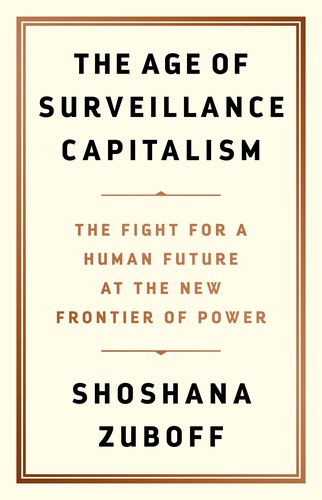
The Age of Surveillance Capitalism: The Fight for a Human Future at the New Frontier of Power
Shoshana Zuboff
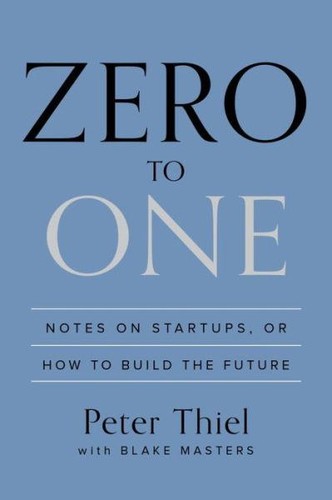
Zero to One: Notes on Startups, or How to Build the Future
Peter Thiel
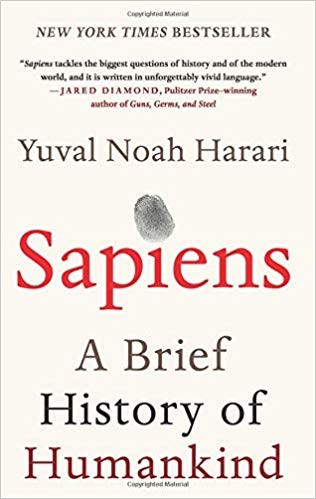
Sapiens: A Brief History of Humankind
Yuval Noah Harari
