Psychology · Similar reads
Books like Thinking, Fast and Slow
The best books like Thinking, Fast and Slow are Predictably Irrational, Nudge: Improving Decisions About Health, Wealth, and Happiness, and Blink: The Power of Thinking Without Thinking. Thinking, Fast and Slow by Daniel Kahneman is about cognitive bias, decision-making, behavioral economics. If that's what drew you in, here are 12 books that share its DNA — each summarized on Superbook, and ready to chat with in the app.
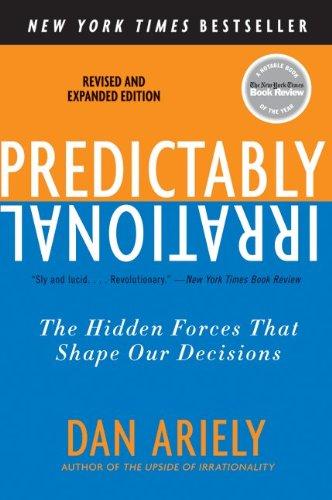
- Predictably Irrational
01
Dan Ariely · Psychology
Predictably Irrational is Dan Ariely's examination of how humans make decisions that are consistently, systematically irrational — not random or arbitrary, but irrational in ways that follow patterns.
Shares cognitive bias and decision-making with Thinking, Fast and Slow.
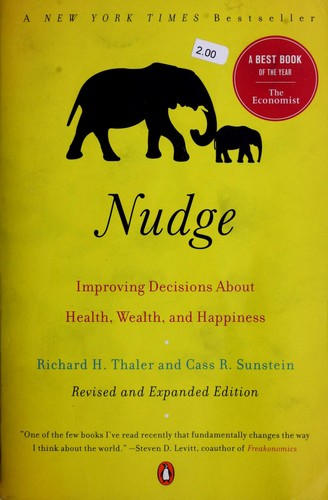
Read the summary → - Nudge: Improving Decisions About Health, Wealth, and Happiness
02
Nudge: Improving Decisions About Health, Wealth, and Happiness
Richard H. Thaler and Cass R. Sunstein · Economics
Nudge is Richard Thaler and Cass Sunstein's argument that the way choices are presented — the default option, the order of items, the framing of a question — powerfully shapes what people decide, often more than their own stated preferences.
Shares decision-making and behavioral economics with Thinking, Fast and Slow.
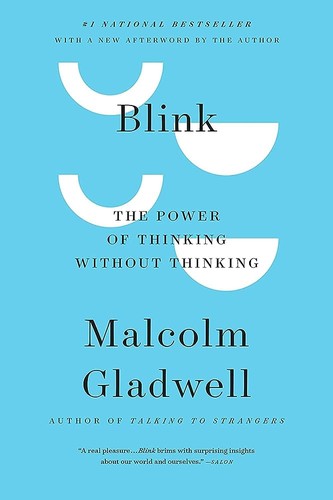
Read the summary → - Blink: The Power of Thinking Without Thinking
03
Blink: The Power of Thinking Without Thinking
Malcolm Gladwell · Psychology
Blink is Malcolm Gladwell's argument that fast, unconscious decisions — the ones made in the first two seconds of encountering something — are often just as reliable as slow, deliberate analysis, and sometimes more so.
Both dig into decision-making.
Read the summary →
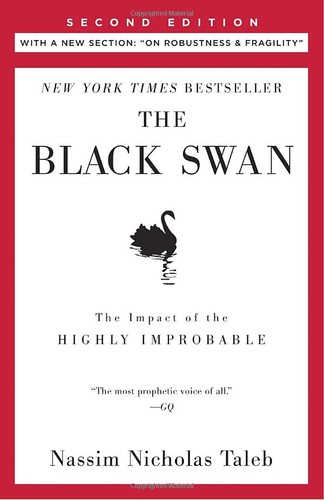
- The Black Swan: The Impact of the Highly Improbable
04
The Black Swan: The Impact of the Highly Improbable
Nassim Nicholas Taleb · Science
The Black Swan is Nassim Nicholas Taleb's argument that the most consequential events in history — financial crashes, technological breakthroughs, wars, pandemics — are not predictable outliers but structurally unpredictable ones.
Both dig into cognitive bias.
Read the summary → - Behave: The Biology of Humans at Our Best and Worst
05
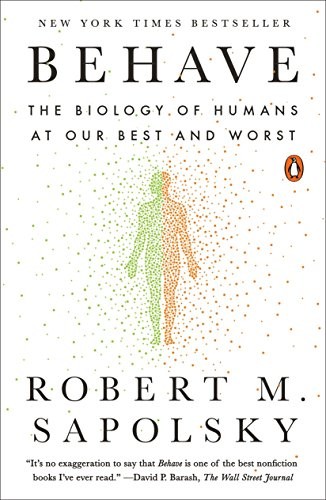
Behave: The Biology of Humans at Our Best and Worst
Robert M. Sapolsky · Science
Behave is Robert Sapolsky's attempt to explain why humans do what they do — the violence, the altruism, the tribalism, the heroism — by working through every layer of biology that contributes to a single act.
A kindred psychology read.
Read the summary → - The Undoing Project
06
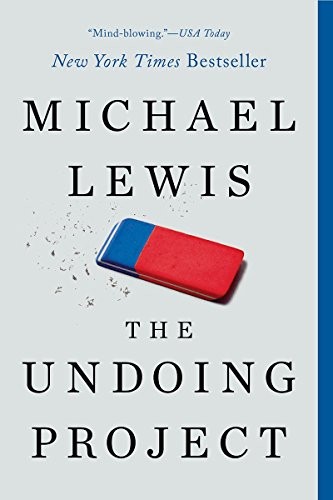
Michael Lewis · Psychology
Michael Lewis came to this subject sideways.
Shares cognitive bias and decision-making with Thinking, Fast and Slow.
Read the summary → - Irrationality
07
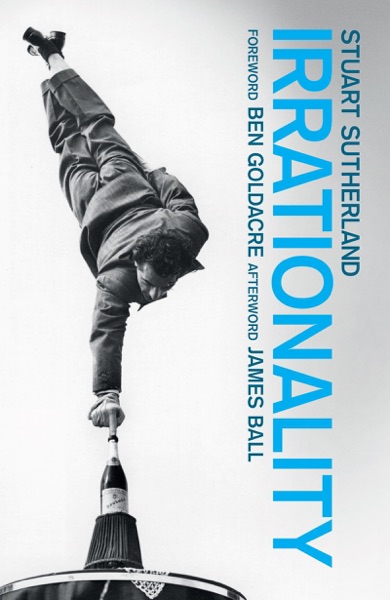
Stuart Sutherland · Psychology
Irrationality is Stuart Sutherland's rigorous and often mordant survey of the ways human beings consistently fail to reason well.
Shares cognitive bias and decision-making with Thinking, Fast and Slow.
Read the summary → - Judgment Under Uncertainty: Heuristics and Biases
08
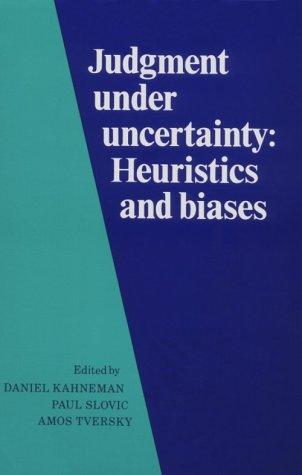
Judgment Under Uncertainty: Heuristics and Biases
Daniel Kahneman, Paul Slovic, and Amos Tversky · Psychology
Judgment Under Uncertainty is the academic anthology that launched a research program.
Shares cognitive bias and decision-making with Thinking, Fast and Slow.
Read the summary → - Mind Over Money
09
Claudia Hammond · Psychology
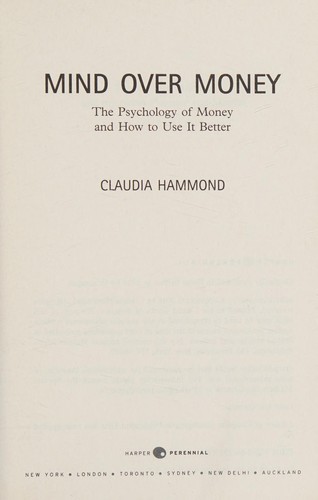
Mind Over Money is Claudia Hammond's survey of the research on how people actually think about, feel about, and make decisions with money — which turns out to be considerably less rational than economic theory assumes.
Shares cognitive bias and decision-making with Thinking, Fast and Slow.
Read the summary → - Misbehaving: The Making of Behavioral Economics
10
Misbehaving: The Making of Behavioral Economics
Richard H. Thaler · Psychology
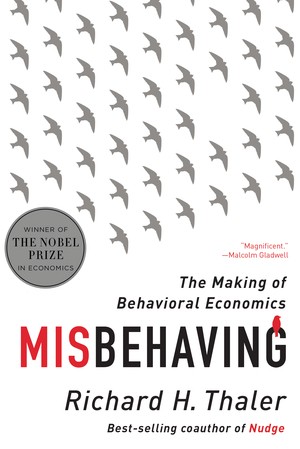
Richard Thaler is one of the founders of behavioral economics, the field that took the anomalies in standard economic theory seriously rather than dismissing them as noise.
Shares cognitive bias and decision-making with Thinking, Fast and Slow.
Read the summary → - Noise: A Flaw in Human Judgment
11
Noise: A Flaw in Human Judgment
Daniel Kahneman, Olivier Sibony, and Cass R. Sunstein · Psychology
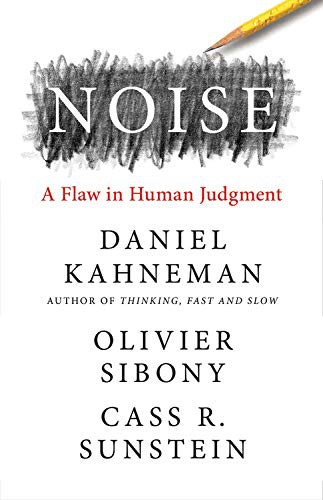
Bias gets most of the attention in discussions of judgment error.
Shares cognitive bias and decision-making with Thinking, Fast and Slow.
Read the summary → - The Art of Thinking Clearly
12
Rolf Dobelli · Psychology
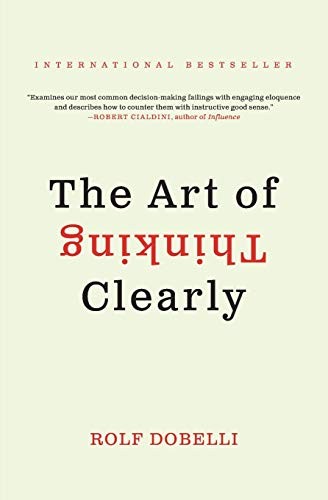
Rolf Dobelli is a Swiss entrepreneur and novelist who wrote a series of short newspaper columns on cognitive biases, later collected and expanded into this book.
Shares cognitive bias and decision-making with Thinking, Fast and Slow.
Read the summary →
Books like Thinking, Fast and Slow: quick answers
What are the best books like Thinking, Fast and Slow?
The best books like Thinking, Fast and Slow by Daniel Kahneman are Predictably Irrational by Dan Ariely, Nudge: Improving Decisions About Health, Wealth, and Happiness by Richard H. Thaler and Cass R. Sunstein, Blink: The Power of Thinking Without Thinking by Malcolm Gladwell, The Black Swan: The Impact of the Highly Improbable by Nassim Nicholas Taleb, Behave: The Biology of Humans at Our Best and Worst by Robert M. Sapolsky, plus 7 more below. Each was chosen for themes it shares with Thinking, Fast and Slow, such as cognitive bias, decision-making, behavioral economics.
What should I read after Thinking, Fast and Slow?
A natural next read after Thinking, Fast and Slow is Predictably Irrational by Dan Ariely. Shares cognitive bias and decision-making with Thinking, Fast and Slow. Other strong choices are Nudge: Improving Decisions About Health, Wealth, and Happiness by Richard H. Thaler and Cass R. Sunstein, Blink: The Power of Thinking Without Thinking by Malcolm Gladwell, The Black Swan: The Impact of the Highly Improbable by Nassim Nicholas Taleb.
What books are similar to Thinking, Fast and Slow by Daniel Kahneman?
Thinking, Fast and Slow centers on cognitive bias, decision-making, behavioral economics. Books with a similar feel include Predictably Irrational by Dan Ariely, Nudge: Improving Decisions About Health, Wealth, and Happiness by Richard H. Thaler and Cass R. Sunstein, Blink: The Power of Thinking Without Thinking by Malcolm Gladwell, The Black Swan: The Impact of the Highly Improbable by Nassim Nicholas Taleb, Behave: The Biology of Humans at Our Best and Worst by Robert M. Sapolsky, The Undoing Project by Michael Lewis — all free to read and chat with on Superbook.
