Science · Similar reads
Books like Thinking in Systems
The best books like Thinking in Systems are Thinking, Fast and Slow, Antifragile: Things That Gain from Disorder, and Algorithms to Live By: The Computer Science of Human Decisions. Thinking in Systems by Donella H. Meadows is about systems thinking, feedback loops, complexity. If that's what drew you in, here are 12 books that share its DNA — each summarized on Superbook, and ready to chat with in the app.
- Thinking, Fast and Slow
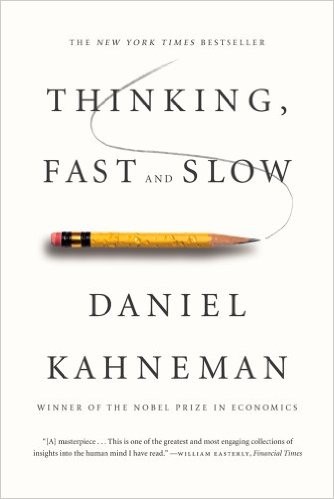
01
Daniel Kahneman · Psychology
Thinking, Fast and Slow is Daniel Kahneman's account of the two cognitive systems that govern human thought.
A kindred science read.
Read the summary → - Antifragile: Things That Gain from Disorder
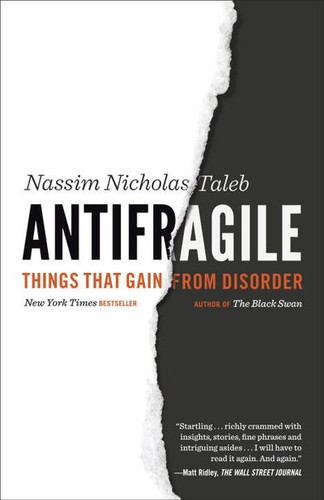
02
Antifragile: Things That Gain from Disorder
Nassim Nicholas Taleb · Philosophy
Antifragile is Nassim Nicholas Taleb's argument that the opposite of fragile is not robust or resilient — it is antifragile.
Both dig into complexity.
Read the summary → - Algorithms to Live By: The Computer Science of Human Decisions
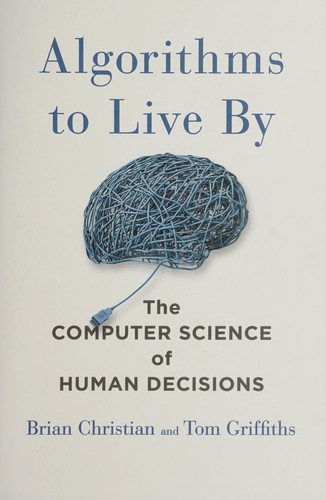
03
Algorithms to Live By: The Computer Science of Human Decisions
Brian Christian and Tom Griffiths · Psychology
Brian Christian is a writer and Tom Griffiths is a cognitive scientist, and together they argue that computer science has worked out rigorous solutions to many of the problems humans face every day — when to stop searching for a better option, how to manage your schedule, how to sort your memory — and that these solutions are both interesting and useful.
A kindred science read.
Read the summary →
- The Art of Thinking Clearly
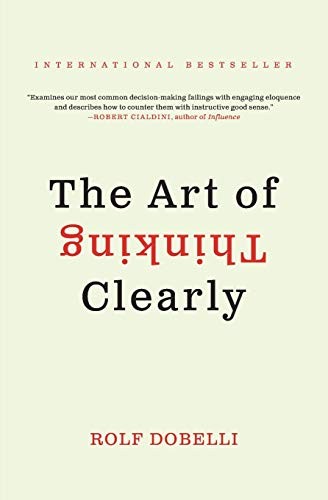
04
Rolf Dobelli · Psychology
Rolf Dobelli is a Swiss entrepreneur and novelist who wrote a series of short newspaper columns on cognitive biases, later collected and expanded into this book.
A kindred science read.
Read the summary → - Black Box Thinking
05
Matthew Syed · Psychology
Black Box Thinking is Matthew Syed's argument that the difference between industries and organizations that improve over time and those that stagnate comes down to how they handle failure.
Shares systems thinking and feedback loops with Thinking in Systems.
Read the summary → - The Great Mental Models
06
Shane Parrish · Self-help
The Great Mental Models is the first volume in Shane Parrish's series drawn from his Farnam Street blog, which he built into one of the most widely read sites on thinking and decision-making.
Shares systems thinking and mental models with Thinking in Systems.
Read the summary → - About Face: The Essentials of Interaction Design
07
About Face: The Essentials of Interaction Design
Alan Cooper · Science
Alan Cooper's About Face, first published in 1995 and revised through multiple editions, is the foundational text of interaction design as a professional discipline.
Both dig into mental models.
Read the summary → - Chaos: Making a New Science
08
James Gleick · Science
Chaos: Making a New Science, published in 1987, tells the story of how a loose network of scientists working across meteorology, mathematics, biology, and physics in the 1960s and 1970s developed chaos theory — the study of systems that are deterministic but unpredictable because tiny differences in initial conditions produce wildly different outcomes.
Both dig into complexity.
Read the summary → - Climbing Mount Improbable
09
Richard Dawkins · Science
Climbing Mount Improbable is Richard Dawkins's response to the persistent intuition that complex biological structures — the vertebrate eye, insect wings, spider webs — are too improbable to have evolved by chance.
Both dig into complexity.
Read the summary → - Cradle to Cradle: Remaking the Way We Make Things
10
Cradle to Cradle: Remaking the Way We Make Things
William McDonough & Michael Braungart · Science
Cradle to Cradle is William McDonough and Michael Braungart's argument that the conventional approach to environmentalism — reducing, reusing, recycling, being "less bad" — is insufficient and in some ways misleading.
Both dig into sustainability.
Read the summary → - Happy City
11
Charles Montgomery · Science
Happy City is Charles Montgomery's investigation into the relationship between the design of cities and the psychological well-being of their inhabitants.
Both dig into sustainability.
Read the summary → - How Buildings Learn
12
Stewart Brand · Science
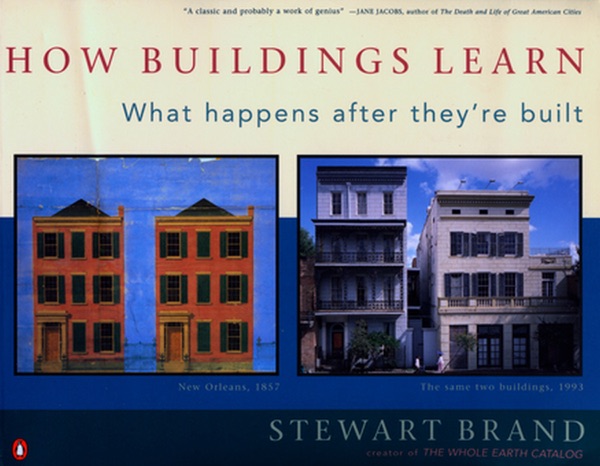
How Buildings Learn is Stewart Brand's argument that buildings are not finished products but ongoing processes — and that the buildings most valued over time are those designed to change gracefully rather than resist change defensively.
Both dig into systems thinking.
Read the summary →
Books like Thinking in Systems: quick answers
What are the best books like Thinking in Systems?
The best books like Thinking in Systems by Donella H. Meadows are Thinking, Fast and Slow by Daniel Kahneman, Antifragile: Things That Gain from Disorder by Nassim Nicholas Taleb, Algorithms to Live By: The Computer Science of Human Decisions by Brian Christian and Tom Griffiths, The Art of Thinking Clearly by Rolf Dobelli, Black Box Thinking by Matthew Syed, plus 7 more below. Each was chosen for themes it shares with Thinking in Systems, such as systems thinking, feedback loops, complexity.
What should I read after Thinking in Systems?
A natural next read after Thinking in Systems is Thinking, Fast and Slow by Daniel Kahneman. A kindred science read. Other strong choices are Antifragile: Things That Gain from Disorder by Nassim Nicholas Taleb, Algorithms to Live By: The Computer Science of Human Decisions by Brian Christian and Tom Griffiths, The Art of Thinking Clearly by Rolf Dobelli.
What books are similar to Thinking in Systems by Donella H. Meadows?
Thinking in Systems centers on systems thinking, feedback loops, complexity. Books with a similar feel include Thinking, Fast and Slow by Daniel Kahneman, Antifragile: Things That Gain from Disorder by Nassim Nicholas Taleb, Algorithms to Live By: The Computer Science of Human Decisions by Brian Christian and Tom Griffiths, The Art of Thinking Clearly by Rolf Dobelli, Black Box Thinking by Matthew Syed, The Great Mental Models by Shane Parrish — all free to read and chat with on Superbook.
