Book comparison
Rich Dad Poor Dad vs The Richest Man in Babylon
Read The Richest Man in Babylon if you want first principles you can act on safely, and Rich Dad Poor Dad only for its assets-versus-liabilities framing, which is worth having even though much of the book around it is contested.
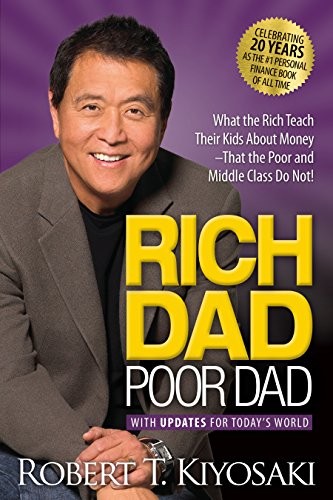
Rich Dad Poor Dad
Robert T. Kiyosaki
1997 · 3h 45m
Rich Dad Poor Dad is Robert Kiyosaki's semi-autobiographical argument that the financial education most people receive prepares them for the wrong life.
Where they agree
Both are parable-driven primers rather than technical manuals, written for someone who was never taught anything about money and wants the shape of it in an evening. Both make the same core claim: that the problem is behaviour and financial ignorance rather than income, and that the person on a good salary who saves nothing is in real trouble. Both are perennially recommended as the first money book to read.
Where they differ
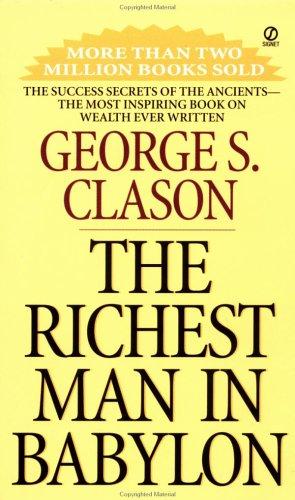
Clason is about accumulation from a wage — save a fixed tenth, control the expenses that expand to swallow any raise, invest only where you are genuinely competent, and refuse deals you do not understand. Kiyosaki is about escaping the wage entirely — acquire income-producing assets, use debt and structure as tools, and treat employment as the trap that keeps you working for money instead of the other way round. One is defensive and conservative; the other is aggressive and entrepreneurial. It also matters that Kiyosaki is widely criticised on specifics: his accounting definitions are unorthodox, the tax and real-estate advice is dated and jurisdiction-bound, and the reality of the rich dad figure himself has been questioned. Clason is uncontroversial but thin, and will never tell you what to actually buy.
Which to read first
Babylon first. It is two hours long, nothing in it will hurt you, and it installs the saving habit that everything else depends on. Read Rich Dad Poor Dad afterwards as a provocation, with the specifics held at arm’s length. Invert the order only if you already save consistently and want to be pushed toward ownership rather than thrift.
Read Rich Dad Poor Dad if
You already live below your means and want the harder push toward owning things that pay you, and you are willing to read a contested book critically.
Read the summary →Read The Richest Man in Babylon if
You want the plainest possible starting rules — pay yourself first, avoid ruin, do not invest in what you cannot judge — with no ideology attached.
Read the summary →Common questions
Should I read Rich Dad Poor Dad or The Richest Man in Babylon?
Read The Richest Man in Babylon if you want first principles you can act on safely, and Rich Dad Poor Dad only for its assets-versus-liabilities framing, which is worth having even though much of the book around it is contested.
What is the difference between Rich Dad Poor Dad and The Richest Man in Babylon?
Clason is about accumulation from a wage — save a fixed tenth, control the expenses that expand to swallow any raise, invest only where you are genuinely competent, and refuse deals you do not understand. Kiyosaki is about escaping the wage entirely — acquire income-producing assets, use debt and structure as tools, and treat employment as the trap that keeps you working for money instead of the other way round. One is defensive and conservative; the other is aggressive and entrepreneurial. It also matters that Kiyosaki is widely criticised on specifics: his accounting definitions are unorthodox, the tax and real-estate advice is dated and jurisdiction-bound, and the reality of the rich dad figure himself has been questioned. Clason is uncontroversial but thin, and will never tell you what to actually buy.
Which should I read first, Rich Dad Poor Dad or The Richest Man in Babylon?
Babylon first. It is two hours long, nothing in it will hurt you, and it installs the saving habit that everything else depends on. Read Rich Dad Poor Dad afterwards as a provocation, with the specifics held at arm’s length. Invert the order only if you already save consistently and want to be pushed toward ownership rather than thrift.
More like these: books like Rich Dad Poor Dad, books like The Richest Man in Babylon, or every comparison.
