Self-help · Similar reads
Books like Rich Dad Poor Dad
The best books like Rich Dad Poor Dad are The Millionaire Next Door, The Psychology of Money, and Your Money or Your Life. Rich Dad Poor Dad by Robert T. Kiyosaki is about financial education, assets vs. liabilities, entrepreneurship. If that's what drew you in, here are 12 books that share its DNA — each summarized on Superbook, and ready to chat with in the app.
- The Millionaire Next Door
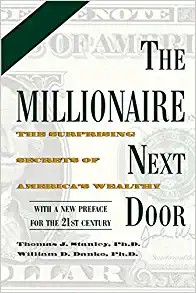
01
Thomas J. Stanley · Economics
The Millionaire Next Door is Thomas Stanley and William Danko's report on a decade of research into who actually has wealth in America, and their findings are consistently surprising.
A kindred self-help read.
Read the summary → - The Psychology of Money
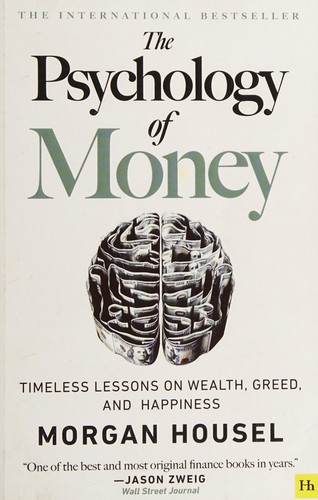
02
Morgan Housel · Economics
The Psychology of Money is Morgan Housel's argument that financial success depends less on technical knowledge than on behavior — specifically, on understanding how your personal history, emotions, and cognitive biases shape every financial decision you make.
A kindred self-help read.
Read the summary → - Your Money or Your Life
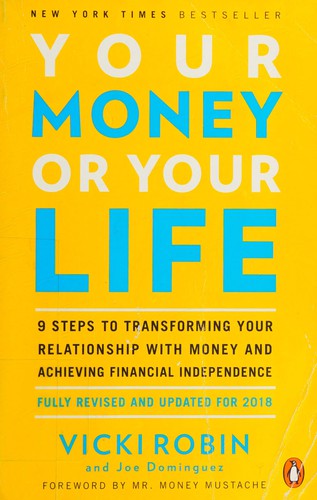
03
Vicki Robin · Self-help
Your Money or Your Life is Vicki Robin and Joe Dominguez's argument that money is something we trade our life energy for, and that most people in modern consumer society have made that trade without ever stopping to examine the terms.
A kindred self-help read.
Read the summary →
- The Millionaire Fastlane
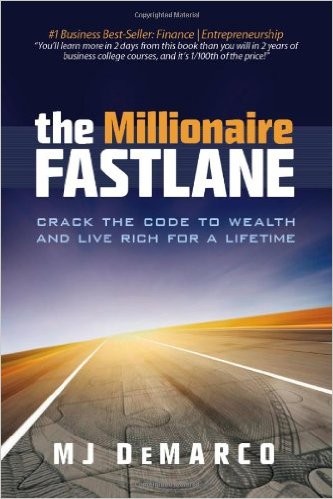
04
MJ DeMarco · Self-help
The Millionaire Fastlane is MJ DeMarco's argument that conventional financial advice — work for forty years, save 10 percent, invest in index funds, retire at 65 — is not a path to wealth but a path to a modestly funded old age, and that genuine financial freedom requires building a business rather than an investment portfolio.
Shares entrepreneurship and passive income with Rich Dad Poor Dad.
Read the summary → - Secrets of the Millionaire Mind
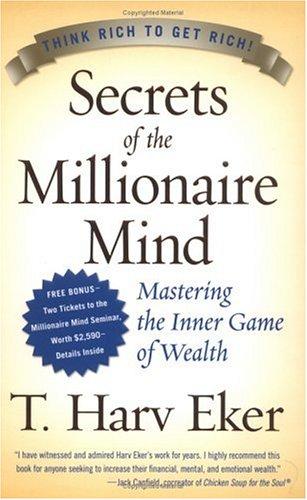
05
Secrets of the Millionaire Mind
T. Harv Eker · Self-help
Secrets of the Millionaire Mind is T.
Both dig into wealth mindset.
Read the summary → - The 4-Hour Workweek
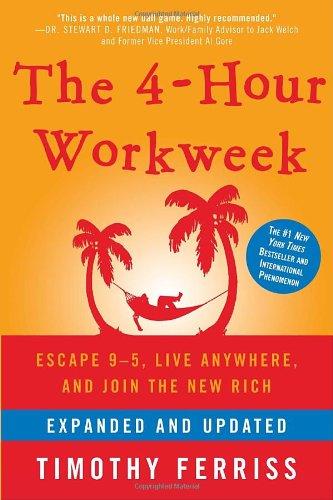
06
Timothy Ferriss · Self-help
The 4-Hour Workweek is Timothy Ferriss's argument that the standard model of working forty-plus hours a week until retirement is a bad deal, and that a better one is available right now for anyone willing to rethink how they work, earn, and live.
Both dig into entrepreneurship.
Read the summary → - AI Superpowers
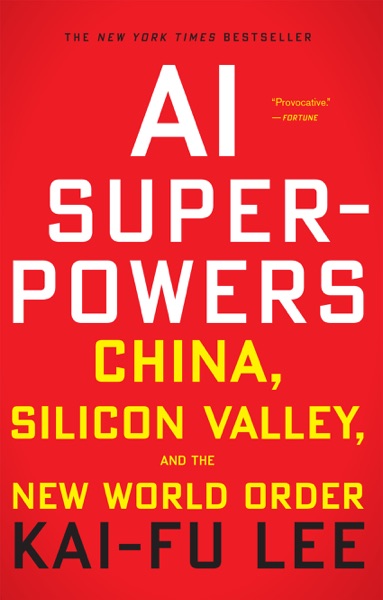
07
Kai-Fu Lee · Business
AI Superpowers is Kai-Fu Lee's argument that the geopolitical competition to lead in artificial intelligence is primarily a two-country race between the United States and China, and that the outcome will reshape the global economy in ways most people haven't started to reckon with.
Both dig into entrepreneurship.
Read the summary → - Americana
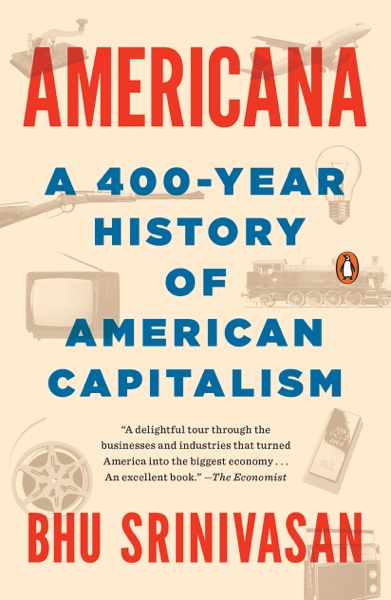
08
Bhu Srinivasan · History
Americana is Bhu Srinivasan's attempt to tell the history of American capitalism through its defining industries and the entrepreneurs who built them.
Both dig into entrepreneurship.
Read the summary → - Anything You Want
09
Derek Sivers · Business
Anything You Want is Derek Sivers' account of building, running, and eventually selling CD Baby, the independent musician distribution company he founded accidentally in 1998 when a few friends asked him to sell their CDs online.
Both dig into entrepreneurship.
Read the summary → - Behind the Cloud
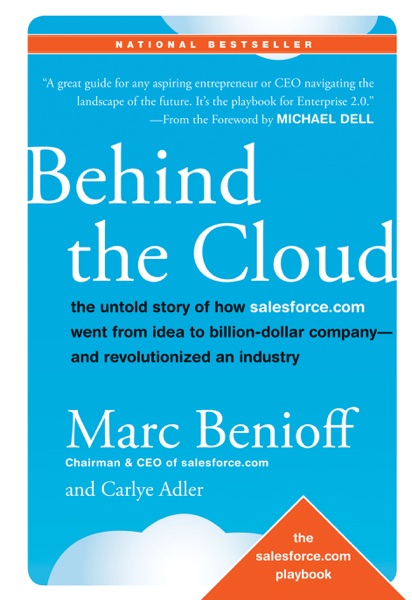
10
Marc Benioff · Business
Behind the Cloud is Marc Benioff's account of building Salesforce from a startup in his apartment to the first cloud computing company to reach $1 billion in revenue.
Both dig into entrepreneurship.
Read the summary → - Beyond Entrepreneurship
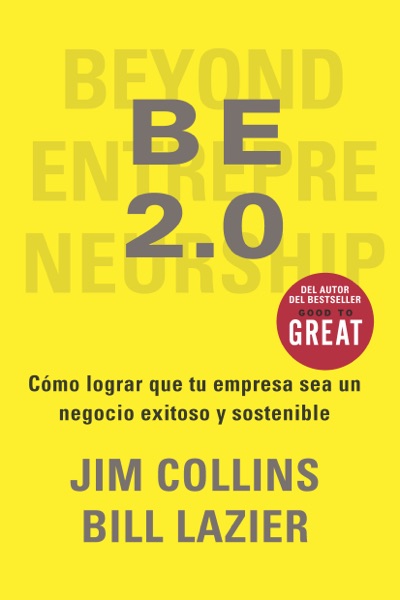
11
Jim Collins & William Lazier · Business
Beyond Entrepreneurship is Jim Collins's first major book, co-written with William Lazier and published in 1992, before the research that produced Built to Last and Good to Great.
Both dig into entrepreneurship.
Read the summary → - Built to Sell: Creating a Business That Can Thrive Without You
12
Built to Sell: Creating a Business That Can Thrive Without You
John Warrillow · Business
Built to Sell is John Warrillow's argument that every business owner — regardless of whether they ever intend to sell — should build their company as if they were going to.
Both dig into entrepreneurship.
Read the summary →
Books like Rich Dad Poor Dad: quick answers
What are the best books like Rich Dad Poor Dad?
The best books like Rich Dad Poor Dad by Robert T. Kiyosaki are The Millionaire Next Door by Thomas J. Stanley, The Psychology of Money by Morgan Housel, Your Money or Your Life by Vicki Robin, The Millionaire Fastlane by MJ DeMarco, Secrets of the Millionaire Mind by T. Harv Eker, plus 7 more below. Each was chosen for themes it shares with Rich Dad Poor Dad, such as financial education, assets vs. liabilities, entrepreneurship.
What should I read after Rich Dad Poor Dad?
A natural next read after Rich Dad Poor Dad is The Millionaire Next Door by Thomas J. Stanley. A kindred self-help read. Other strong choices are The Psychology of Money by Morgan Housel, Your Money or Your Life by Vicki Robin, The Millionaire Fastlane by MJ DeMarco.
What books are similar to Rich Dad Poor Dad by Robert T. Kiyosaki?
Rich Dad Poor Dad centers on financial education, assets vs. liabilities, entrepreneurship. Books with a similar feel include The Millionaire Next Door by Thomas J. Stanley, The Psychology of Money by Morgan Housel, Your Money or Your Life by Vicki Robin, The Millionaire Fastlane by MJ DeMarco, Secrets of the Millionaire Mind by T. Harv Eker, The 4-Hour Workweek by Timothy Ferriss — all free to read and chat with on Superbook.
