Self-help · Similar reads
Books like The Richest Man in Babylon
The best books like The Richest Man in Babylon are The Millionaire Next Door, The Total Money Makeover, and Broke Millennial. The Richest Man in Babylon by George S. Clason is about saving, financial principles, wealth building. If that's what drew you in, here are 12 books that share its DNA — each summarized on Superbook, and ready to chat with in the app.
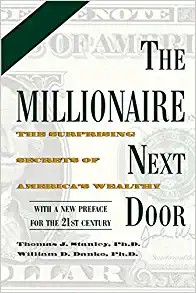
- The Millionaire Next Door
01
Thomas J. Stanley · Economics
The Millionaire Next Door is Thomas Stanley and William Danko's report on a decade of research into who actually has wealth in America, and their findings are consistently surprising.
A kindred self-help read.
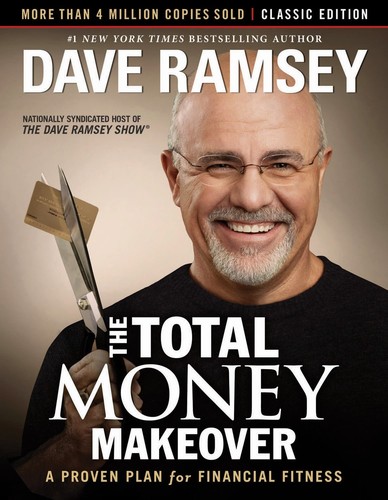
Read the summary → - The Total Money Makeover
02
Dave Ramsey · Self-help
The Total Money Makeover is Dave Ramsey's step-by-step program for eliminating debt and building wealth, structured around seven sequential "baby steps." Ramsey is a Christian personal finance personality who built his following through a syndicated radio show, and the book reflects his background: the approach is moral as well as financial, framing debt as slavery and personal financial responsibility as a form of integrity.
Both dig into budgeting.
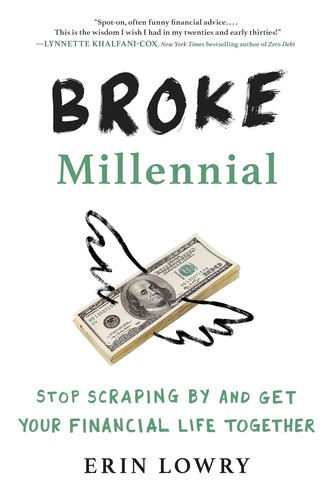
Read the summary → - Broke Millennial
03
Erin Lowry · Self-help
Broke Millennial is Erin Lowry's accessible guide to financial basics for people in their twenties and thirties who are either starting from scratch or who have accumulated bad habits and debt they want to correct.
Both dig into budgeting.
Read the summary →
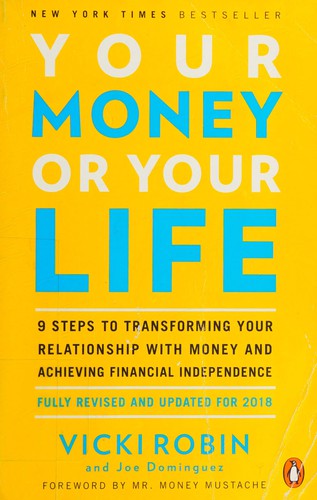
- Your Money or Your Life
04
Vicki Robin · Self-help
Your Money or Your Life is Vicki Robin and Joe Dominguez's argument that money is something we trade our life energy for, and that most people in modern consumer society have made that trade without ever stopping to examine the terms.
A kindred self-help read.
Read the summary → - The Art of Money
05
Bari Tessler · Self-help
The Art of Money is Bari Tessler's guide to developing a healthier emotional and psychological relationship with money.
Both dig into budgeting.
Read the summary → - The Automatic Millionaire
06
David Bach · Self-help
The Automatic Millionaire is David Bach's argument that the secret to building wealth is not discipline or budgeting but automation — setting up financial systems that do the right thing without requiring ongoing willpower.
Both dig into wealth building.
Read the summary → - The Barefoot Investor

07
Scott Pape · Self-help
The Barefoot Investor is Scott Pape's step-by-step financial plan written for ordinary Australians who want to get their finances in order without becoming financial experts.
Both dig into budgeting.
Read the summary → - The Millionaire Fastlane
08
MJ DeMarco · Self-help
The Millionaire Fastlane is MJ DeMarco's argument that conventional financial advice — work for forty years, save 10 percent, invest in index funds, retire at 65 — is not a path to wealth but a path to a modestly funded old age, and that genuine financial freedom requires building a business rather than an investment portfolio.
Both dig into wealth building.
Read the summary → - The Wealthy Barber
09
David Chilton · Self-help
The Wealthy Barber is David Chilton's personal finance classic structured as a novel.
Both dig into saving.
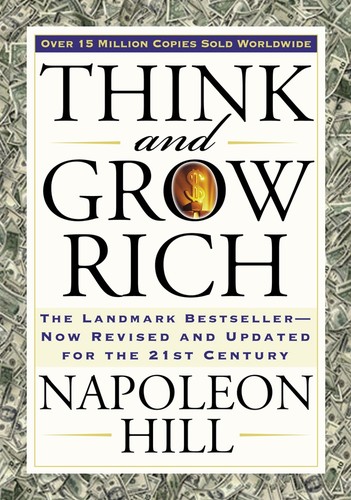
Read the summary → - Think and Grow Rich
10
Napoleon Hill · Self-help
Think and Grow Rich, published in 1937, is Napoleon Hill's synthesis of interviews conducted over twenty years with hundreds of successful Americans, including Andrew Carnegie, Henry Ford, and Thomas Edison.
Both dig into wealth building.
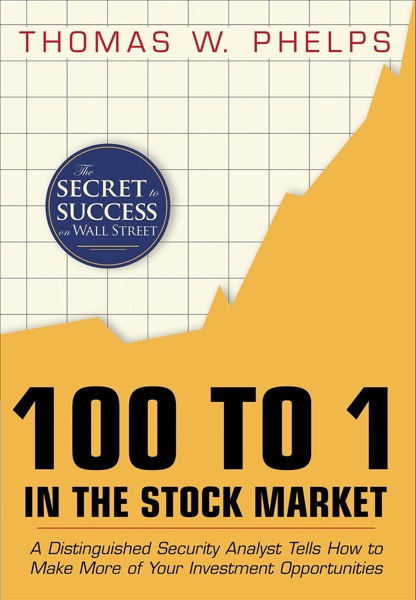
Read the summary → - 100 to 1 in the Stock Market
11
Thomas Phelps · Economics
100 to 1 in the Stock Market, published in 1972 by Thomas Phelps, is a study of the conditions under which stocks return one hundred times an investor's original investment — and an argument that such stocks are more common and more identifiable in advance than most investors believe.
Both dig into wealth building.
Read the summary → - Buy, Rehab, Rent, Refinance, Repeat
12
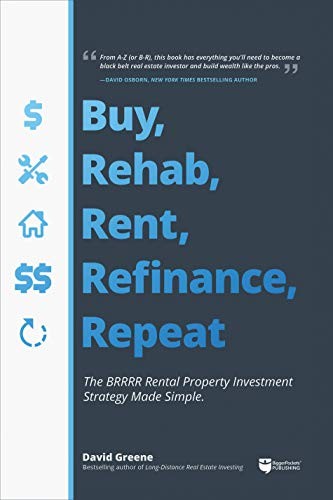
Buy, Rehab, Rent, Refinance, Repeat
David Greene · Business
David Greene's book is a deep dive into one specific real estate strategy: BRRRR — Buy a distressed property, Rehab it, Rent it, Refinance to recover your invested capital, and Repeat the cycle.
Both dig into wealth building.
Read the summary →
Books like The Richest Man in Babylon: quick answers
What are the best books like The Richest Man in Babylon?
The best books like The Richest Man in Babylon by George S. Clason are The Millionaire Next Door by Thomas J. Stanley, The Total Money Makeover by Dave Ramsey, Broke Millennial by Erin Lowry, Your Money or Your Life by Vicki Robin, The Art of Money by Bari Tessler, plus 7 more below. Each was chosen for themes it shares with The Richest Man in Babylon, such as saving, financial principles, wealth building.
What should I read after The Richest Man in Babylon?
A natural next read after The Richest Man in Babylon is The Millionaire Next Door by Thomas J. Stanley. A kindred self-help read. Other strong choices are The Total Money Makeover by Dave Ramsey, Broke Millennial by Erin Lowry, Your Money or Your Life by Vicki Robin.
What books are similar to The Richest Man in Babylon by George S. Clason?
The Richest Man in Babylon centers on saving, financial principles, wealth building. Books with a similar feel include The Millionaire Next Door by Thomas J. Stanley, The Total Money Makeover by Dave Ramsey, Broke Millennial by Erin Lowry, Your Money or Your Life by Vicki Robin, The Art of Money by Bari Tessler, The Automatic Millionaire by David Bach — all free to read and chat with on Superbook.
