Book comparison
The Psychology of Money vs Rich Dad Poor Dad
Read The Psychology of Money — it is the better book by a wide margin, and the one that will change what you do; take Rich Dad Poor Dad only if you specifically want the argument for ownership, and read it sceptically.
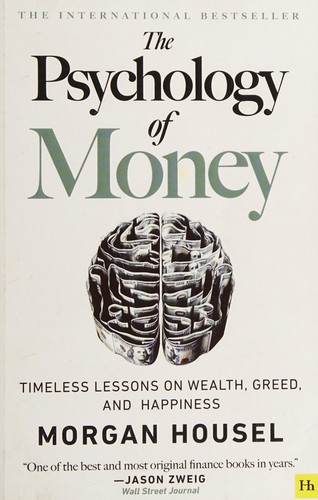
The Psychology of Money
Morgan Housel
2020 · 4h 0m
The Psychology of Money is Morgan Housel's argument that financial success depends less on technical knowledge than on behavior — specifically, on understanding how your personal history, emotions.
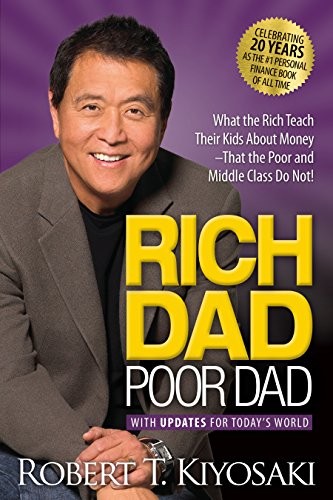
Rich Dad Poor Dad
Robert T. Kiyosaki
1997 · 3h 45m
Rich Dad Poor Dad is Robert Kiyosaki's semi-autobiographical argument that the financial education most people receive prepares them for the wrong life.
Where they agree
Both are mindset books rather than technical ones, aimed at readers who feel money is a subject they were quietly excluded from. Both insist that what you do with money matters more than how much of it passes through your hands, and both reject the idea that personal finance is mainly a matter of arithmetic. They are the two titles most often handed to someone asking where to start.
Where they differ
Housel is careful and evidence-aware, and his conclusion is modest: high savings rate, room for error, tolerance for randomness, and a working definition of enough. Kiyosaki is an ideological and promotional book, arguing that conventional education and employment are traps and that debt and structure are the levers out of them. His specifics are the weak part — unorthodox accounting definitions, dated and jurisdiction-specific tax and property advice, and a central rich dad figure whose existence has been publicly questioned. One counsels restraint and durability; the other counsels escape velocity, with less regard for what happens if it fails.
Which to read first
The Psychology of Money, without much hesitation. It is better argued, more honest about luck, and unlikely to lead anyone into a leveraged mistake. Read Rich Dad Poor Dad afterwards, if at all, for one genuinely useful reframe: the habit of asking whether a purchase puts money in your pocket or takes it out.
Read The Psychology of Money if
You want to be materially better with the money you already have, and you would rather understand your own behaviour than be sold an escape plan.
Read the summary →Read Rich Dad Poor Dad if
You want the case for building assets and running your own thing, and you can separate a motivating frame from advice you should not follow literally.
Read the summary →Common questions
Should I read The Psychology of Money or Rich Dad Poor Dad?
Read The Psychology of Money — it is the better book by a wide margin, and the one that will change what you do; take Rich Dad Poor Dad only if you specifically want the argument for ownership, and read it sceptically.
What is the difference between The Psychology of Money and Rich Dad Poor Dad?
Housel is careful and evidence-aware, and his conclusion is modest: high savings rate, room for error, tolerance for randomness, and a working definition of enough. Kiyosaki is an ideological and promotional book, arguing that conventional education and employment are traps and that debt and structure are the levers out of them. His specifics are the weak part — unorthodox accounting definitions, dated and jurisdiction-specific tax and property advice, and a central rich dad figure whose existence has been publicly questioned. One counsels restraint and durability; the other counsels escape velocity, with less regard for what happens if it fails.
Which should I read first, The Psychology of Money or Rich Dad Poor Dad?
The Psychology of Money, without much hesitation. It is better argued, more honest about luck, and unlikely to lead anyone into a leveraged mistake. Read Rich Dad Poor Dad afterwards, if at all, for one genuinely useful reframe: the habit of asking whether a purchase puts money in your pocket or takes it out.
More like these: books like The Psychology of Money, books like Rich Dad Poor Dad, or every comparison.
