Economics · Similar reads
Books like The Psychology of Money
The best books like The Psychology of Money are The Millionaire Next Door, Just Keep Buying, and The Simple Path to Wealth. The Psychology of Money by Morgan Housel is about behavioral finance, wealth psychology, long-term thinking. If that's what drew you in, here are 12 books that share its DNA — each summarized on Superbook, and ready to chat with in the app.
- The Millionaire Next Door
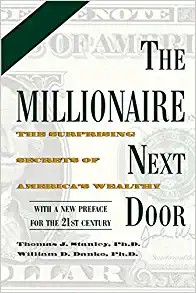
01
Thomas J. Stanley · Economics
The Millionaire Next Door is Thomas Stanley and William Danko's report on a decade of research into who actually has wealth in America, and their findings are consistently surprising.
Stanley and Danko's research is the empirical proof of Housel's 'wealth is what you don't see' — real millionaires drive used cars and quietly out-save flashier neighbors.
Read the summary → - Just Keep Buying
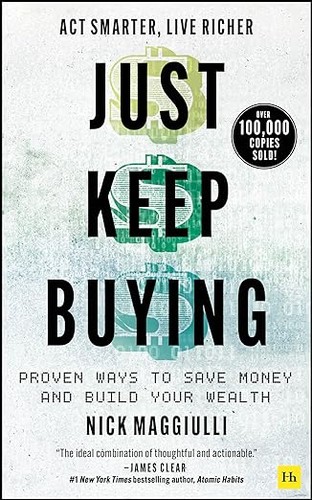
02
Nick Maggiulli · Economics
Just Keep Buying is Nick Maggiulli's data-driven answer to the two central questions of personal finance: how much should you save, and how should you invest it?
Nick Maggiulli picks up where Housel leaves off, turning the same behavior-first philosophy into data-backed rules — above all that steadily buying and holding beats trying to time the market.
Read the summary → - The Simple Path to Wealth
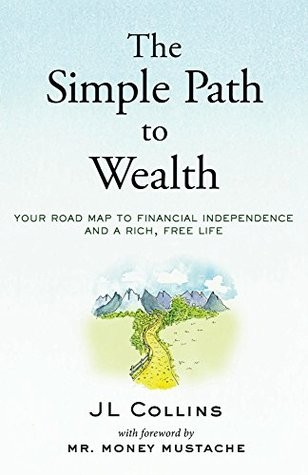
03
JL Collins · Self-help
The Simple Path to Wealth is JL Collins's guide to building wealth and financial independence through a deliberately simple investment approach, originally written as a series of letters to his daughter.
JL Collins makes Housel's 'be reasonable, not rational' concrete: buy low-cost index funds, hold through the crashes, and let compounding do the work.
Read the summary →
- Your Money or Your Life
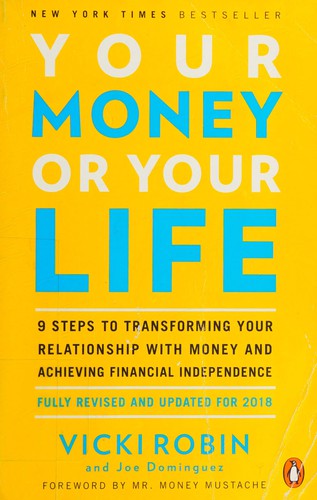
04
Vicki Robin · Self-help
Your Money or Your Life is Vicki Robin and Joe Dominguez's argument that money is something we trade our life energy for, and that most people in modern consumer society have made that trade without ever stopping to examine the terms.
Vicki Robin reframes money as life energy — the deepest version of Housel's claim that savings buy freedom and control over your time, not more stuff.
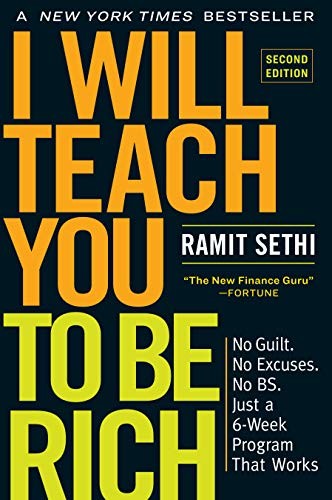
Read the summary → - I Will Teach You to Be Rich
05
Ramit Sethi · Self-help
I Will Teach You to Be Rich is Ramit Sethi's six-week program for getting your basic financial infrastructure in order — automating savings, optimizing credit, setting up the right accounts, and beginning to invest — written specifically for people in their twenties and thirties who haven't yet dealt with any of this.
Ramit Sethi shares Housel's conviction that behavior beats spreadsheets, automating savings and spending guilt-free on what you love instead of fighting your own psychology.
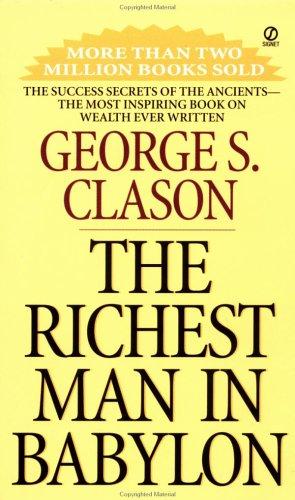
Read the summary → - The Richest Man in Babylon
06
George S. Clason · Self-help
The Richest Man in Babylon is George S.
George Clason's ancient parables teach the patient habits Housel prizes — pay yourself first, avoid ruinous risk — dressed as Babylonian fables rather than modern essays.
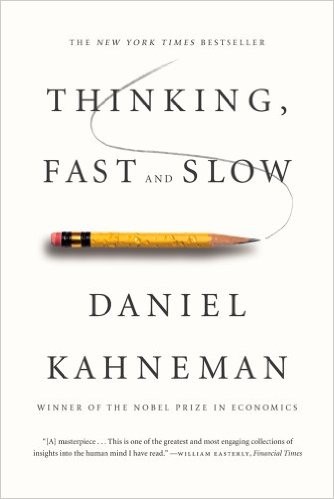
Read the summary → - Thinking, Fast and Slow
07
Daniel Kahneman · Psychology
Thinking, Fast and Slow is Daniel Kahneman's account of the two cognitive systems that govern human thought.
Kahneman supplies the academic bedrock beneath Housel's essays; his research on the biases of the fast, intuitive mind explains why smart people keep making poor money decisions.
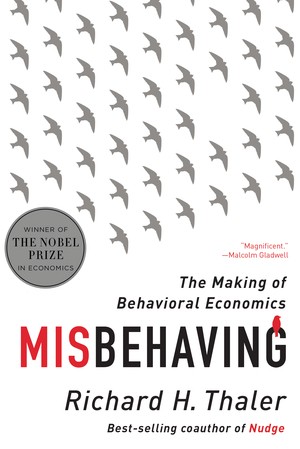
Read the summary → - Misbehaving: The Making of Behavioral Economics
08
Misbehaving: The Making of Behavioral Economics
Richard H. Thaler · Psychology
Richard Thaler is one of the founders of behavioral economics, the field that took the anomalies in standard economic theory seriously rather than dismissing them as noise.
Richard Thaler's memoir of founding behavioral economics is the origin story for Housel's whole premise: real people, not the rational agents of textbooks, are the ones handling money.
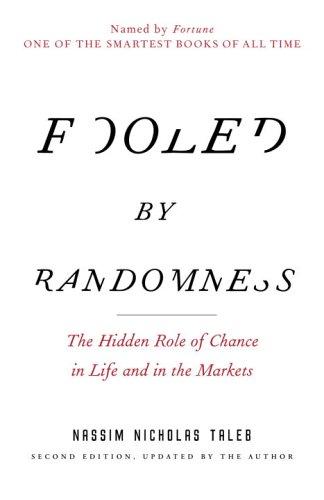
Read the summary → - Fooled by Randomness
09
Nassim Nicholas Taleb · Psychology
Fooled by Randomness is Nassim Nicholas Taleb's argument that humans are wired to misread luck as skill, noise as signal, and random outcomes as the product of ability or effort.
Nassim Taleb expands Housel's 'luck and risk are siblings' essay, dismantling the illusion that market winners were skilled rather than simply fortunate.
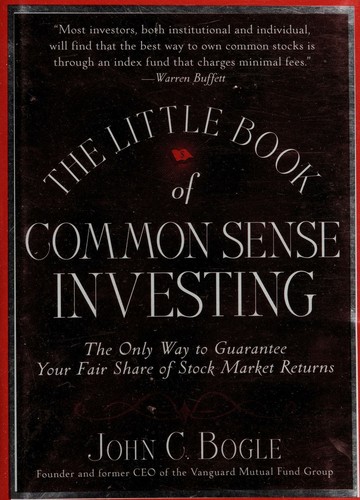
Read the summary → - The Little Book of Common Sense Investing
10
The Little Book of Common Sense Investing
John C. Bogle · Economics
The Little Book of Common Sense Investing is John Bogle's concise case for why buying the entire stock market through a low-cost index fund is the most rational investment strategy available to most people.
John Bogle wrote the manual for the index-and-hold approach Housel quietly endorses — minimize costs, capture the market's return, and stop tinkering.
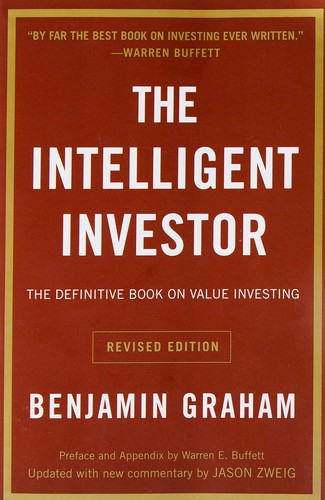
Read the summary → - The Intelligent Investor
11
Benjamin Graham · Economics
The Intelligent Investor is Benjamin Graham's case that successful investing has less to do with picking the right stocks than with managing your own behavior.
Graham's Mr. Market parable is behavioral finance decades early: the investor's real problem, he warns, is his own emotions — Housel's thesis in a value-investing key.
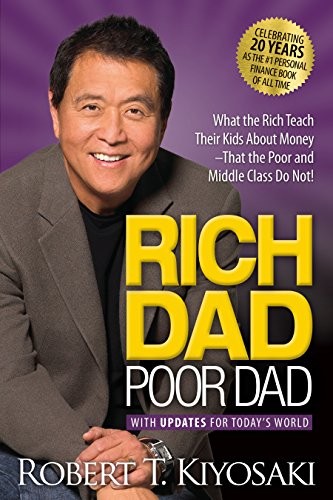
Read the summary → - Rich Dad Poor Dad
12
Robert T. Kiyosaki · Self-help
Rich Dad Poor Dad is Robert Kiyosaki's semi-autobiographical argument that the financial education most people receive — from schools, from parents, from conventional wisdom — prepares them for the wrong life.
The honest counterpoint: where Housel preaches patient humility and index funds, Robert Kiyosaki pushes leverage, assets, and entrepreneurial risk. Read them together for the tension.
Read the summary →
Books like The Psychology of Money: quick answers
What are the best books like The Psychology of Money?
The best books like The Psychology of Money by Morgan Housel are The Millionaire Next Door by Thomas J. Stanley, Just Keep Buying by Nick Maggiulli, The Simple Path to Wealth by JL Collins, Your Money or Your Life by Vicki Robin, I Will Teach You to Be Rich by Ramit Sethi, plus 7 more below. Each was chosen for themes it shares with The Psychology of Money, such as behavioral finance, wealth psychology, long-term thinking.
What should I read after The Psychology of Money?
A natural next read after The Psychology of Money is The Millionaire Next Door by Thomas J. Stanley. Stanley and Danko's research is the empirical proof of Housel's 'wealth is what you don't see' — real millionaires drive used cars and quietly out-save flashier neighbors. Other strong choices are Just Keep Buying by Nick Maggiulli, The Simple Path to Wealth by JL Collins, Your Money or Your Life by Vicki Robin.
What books are similar to The Psychology of Money by Morgan Housel?
The Psychology of Money centers on behavioral finance, wealth psychology, long-term thinking. Books with a similar feel include The Millionaire Next Door by Thomas J. Stanley, Just Keep Buying by Nick Maggiulli, The Simple Path to Wealth by JL Collins, Your Money or Your Life by Vicki Robin, I Will Teach You to Be Rich by Ramit Sethi, The Richest Man in Babylon by George S. Clason — all free to read and chat with on Superbook.
