Psychology · Similar reads
Books like An Unquiet Mind
The best books like An Unquiet Mind are Lost Connections, The Man Who Mistook His Wife for a Hat, and The Noonday Demon. An Unquiet Mind by Kay Redfield Jamison is about bipolar disorder, mental health, memoir. If that's what drew you in, here are 12 books that share its DNA — each summarized on Superbook, and ready to chat with in the app.
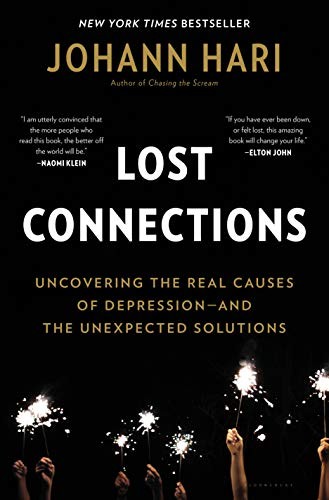
- Lost Connections
01
Johann Hari · Health
Lost Connections is Johann Hari's argument that depression and anxiety are not primarily chemical imbalances in the brain but responses to social and environmental conditions — disconnection from meaningful work, close relationships, the natural world, a secure future, and status that feels deserved.
Both dig into mental health.
Read the summary → - The Man Who Mistook His Wife for a Hat
02
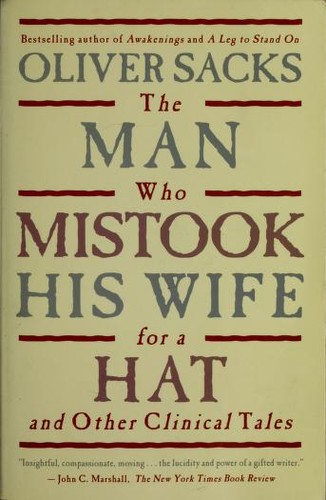
The Man Who Mistook His Wife for a Hat
Oliver Sacks · Psychology
Oliver Sacks was a neurologist who thought in stories.
A kindred psychology read.
Read the summary → - The Noonday Demon
03
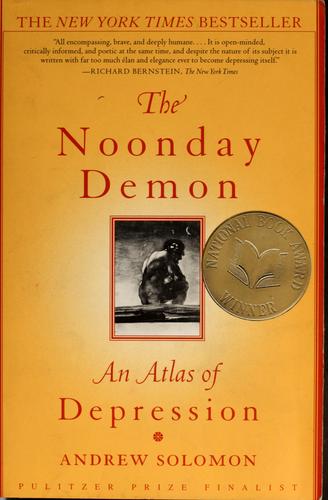
Andrew Solomon · Health
The Noonday Demon is Andrew Solomon's exhaustive, literary account of depression — his own experience of it, its science and treatment history, its cultural and political dimensions, and the lives of people living with it across the world.
Shares mental health and memoir with An Unquiet Mind.
Read the summary →
- The Anxious Generation
04
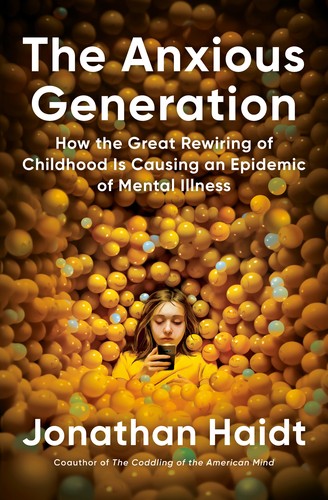
Jonathan Haidt · Psychology
The Anxious Generation is Jonathan Haidt's argument that a phone-based childhood — shaped above all by smartphones and social media arriving in the early 2010s — has caused a serious and measurable deterioration in the mental health of adolescents in the United States, the United Kingdom, Canada, and Australia.
Both dig into mental health.
Read the summary → - Good Reasons for Bad Feelings: Insights from the Frontier of Evolutionary Psychiatry

05
Good Reasons for Bad Feelings: Insights from the Frontier of Evolutionary Psychiatry
Randolph M. Nesse · Psychology
Randolph Nesse spent forty years as a psychiatrist and evolutionary biologist asking a question most of his colleagues found strange: why did natural selection leave us so vulnerable to anxiety, depression, and other forms of suffering?
Both dig into mental health.
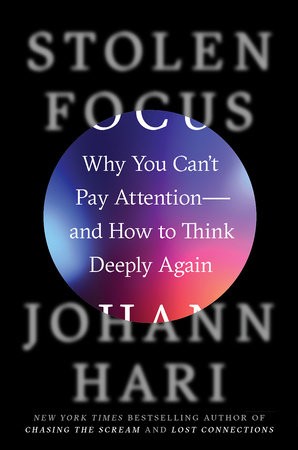
Read the summary → - Stolen Focus: Why You Can't Pay Attention—and How to Think Deeply Again
06
Stolen Focus: Why You Can't Pay Attention—and How to Think Deeply Again
Johann Hari · Psychology
Johann Hari's argument is that the collapse of attention is not a personal failing but a political crisis.
Both dig into mental health.
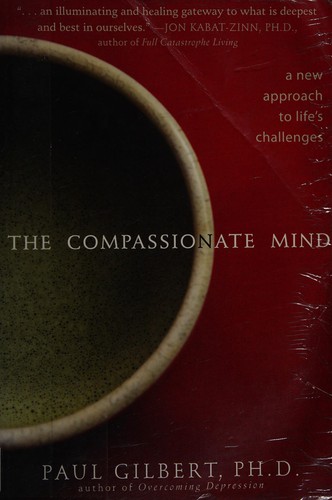
Read the summary → - The Compassionate Mind
07
Paul Gilbert · Psychology
The Compassionate Mind is Paul Gilbert's comprehensive account of Compassion Focused Therapy, the approach he developed over decades of clinical work with people whose suffering was heavily compounded by shame, self-criticism, and an inability to feel comforted or to comfort themselves.
Both dig into mental health.
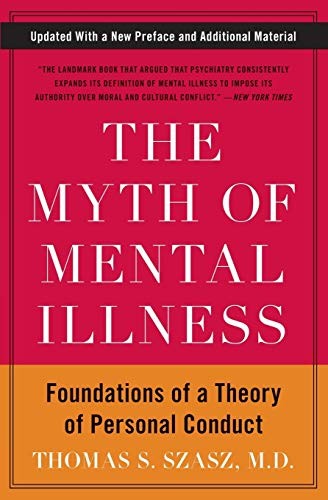
Read the summary → - The Myth of Mental Illness: Foundations of a Theory of Personal Conduct
08
The Myth of Mental Illness: Foundations of a Theory of Personal Conduct
Thomas Szasz · Psychology
Thomas Szasz's thesis, first published in 1961, is that mental illness is a category error.
Both dig into mental health.
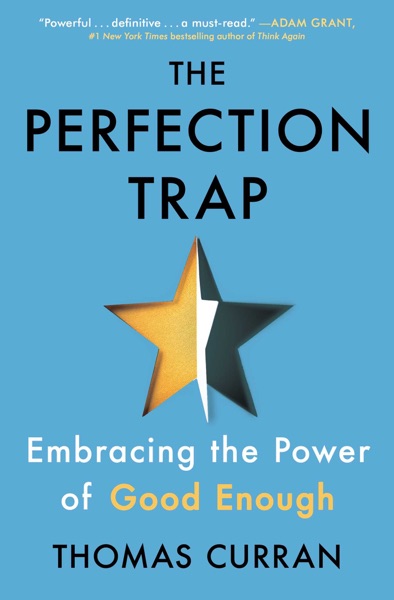
Read the summary → - The Perfection Trap
09
Thomas Curran · Psychology
The Perfection Trap is a social psychologist's case that perfectionism isn't a personality quirk or an asset but a cultural epidemic — and that rates of perfectionism have risen sharply over the past three decades, driven by specific social and economic forces.
Both dig into mental health.
Read the summary → - Finding the Mother Tree: Discovering the Wisdom of the Forest

10
Finding the Mother Tree: Discovering the Wisdom of the Forest
Suzanne Simard · Science
Suzanne Simard is the forest ecologist who discovered that trees communicate and share resources through underground mycorrhizal fungal networks — the research that gave rise to the concept of the "mother tree" and, at several removes, Peter Wohlleben's popular writing on the subject.
Both dig into memoir.
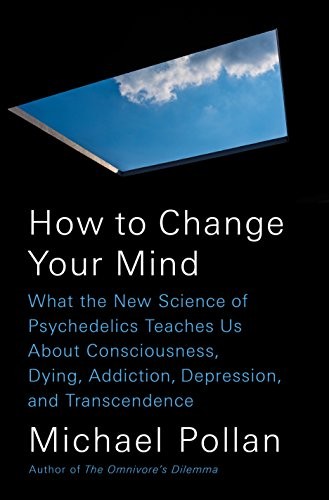
Read the summary → - How to Change Your Mind
11
Michael Pollan · Science
Michael Pollan came to psychedelics late in life, as a skeptic.
Both dig into mental health.
Read the summary → - Love Yourself Like Your Life Depends On It

12
Love Yourself Like Your Life Depends On It
Kamal Ravikant · Self-help
Kamal Ravikant wrote this book quickly after hitting what he describes as rock bottom — a period of serious illness, professional collapse, and psychological despair.
Both dig into mental health.
Read the summary →
Books like An Unquiet Mind: quick answers
What are the best books like An Unquiet Mind?
The best books like An Unquiet Mind by Kay Redfield Jamison are Lost Connections by Johann Hari, The Man Who Mistook His Wife for a Hat by Oliver Sacks, The Noonday Demon by Andrew Solomon, The Anxious Generation by Jonathan Haidt, Good Reasons for Bad Feelings: Insights from the Frontier of Evolutionary Psychiatry by Randolph M. Nesse, plus 7 more below. Each was chosen for themes it shares with An Unquiet Mind, such as bipolar disorder, mental health, memoir.
What should I read after An Unquiet Mind?
A natural next read after An Unquiet Mind is Lost Connections by Johann Hari. Both dig into mental health. Other strong choices are The Man Who Mistook His Wife for a Hat by Oliver Sacks, The Noonday Demon by Andrew Solomon, The Anxious Generation by Jonathan Haidt.
What books are similar to An Unquiet Mind by Kay Redfield Jamison?
An Unquiet Mind centers on bipolar disorder, mental health, memoir. Books with a similar feel include Lost Connections by Johann Hari, The Man Who Mistook His Wife for a Hat by Oliver Sacks, The Noonday Demon by Andrew Solomon, The Anxious Generation by Jonathan Haidt, Good Reasons for Bad Feelings: Insights from the Frontier of Evolutionary Psychiatry by Randolph M. Nesse, Stolen Focus: Why You Can't Pay Attention—and How to Think Deeply Again by Johann Hari — all free to read and chat with on Superbook.
