Economics · Similar reads
Books like Dead Aid: Why Aid Is Not Working and How There Is a Better Way for Africa
The best books like Dead Aid: Why Aid Is Not Working and How There Is a Better Way for Africa are Sapiens: A Brief History of Humankind, Guns, Germs, and Steel, and The Righteous Mind: Why Good People Are Divided by Politics and Religion. Dead Aid: Why Aid Is Not Working and How There Is a Better Way for Africa by Dambisa Moyo is about foreign aid, african development, debt. If that's what drew you in, here are 12 books that share its DNA — each summarized on Superbook, and ready to chat with in the app.
- Sapiens: A Brief History of Humankind
01
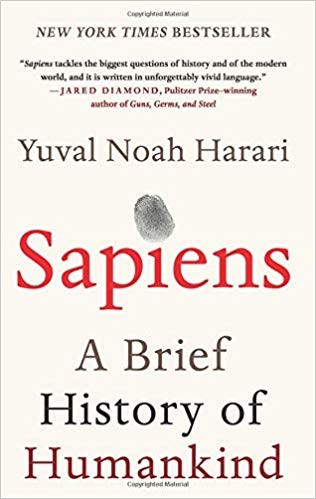
Sapiens: A Brief History of Humankind
Yuval Noah Harari · History
Sapiens traces the full arc of human history from the emergence of Homo sapiens in Africa roughly 70,000 years ago to the present.
A kindred economics read.
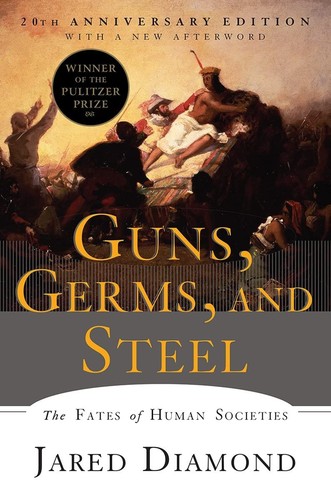
Read the summary → - Guns, Germs, and Steel
02
Jared Diamond · Science
Guns, Germs, and Steel is Jared Diamond's attempt to answer a question posed to him by a Papua New Guinean politician named Yali: why did Europeans end up with so much cargo — wealth, technology, power — while other peoples had comparatively little?
A kindred economics read.
Read the summary → - The Righteous Mind: Why Good People Are Divided by Politics and Religion
03
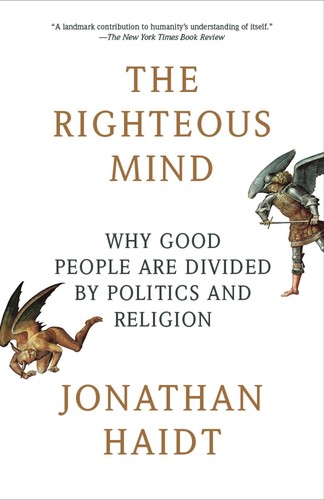
The Righteous Mind: Why Good People Are Divided by Politics and Religion
Jonathan Haidt · Psychology
The Righteous Mind is Jonathan Haidt's argument that moral reasoning is not the source of our moral judgments — it's the press secretary for them.
A kindred economics read.
Read the summary →
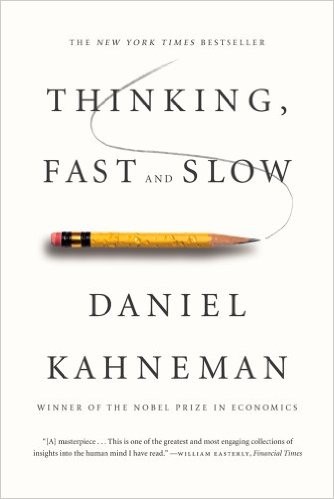
- Thinking, Fast and Slow
04
Daniel Kahneman · Psychology
Thinking, Fast and Slow is Daniel Kahneman's account of the two cognitive systems that govern human thought.
A kindred economics read.
Read the summary → - Get Good with Money

05
Tiffany Aliche · Economics
Get Good with Money is Tiffany Aliche's structured ten-step guide to achieving financial wholeness, a term she coined to describe the state of having no debt, a funded emergency account, adequate insurance, a retirement plan, and a net worth headed in the right direction.
Both dig into debt.
Read the summary → - The Bottom Billion: Why the Poorest Countries Are Failing and What Can Be Done About It
06
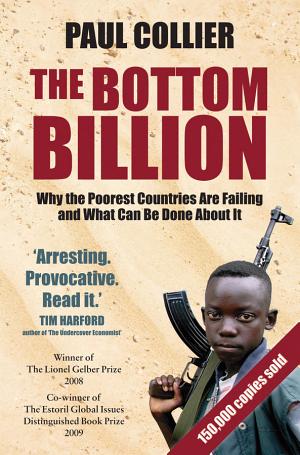
The Bottom Billion: Why the Poorest Countries Are Failing and What Can Be Done About It
Paul Collier · Economics
Paul Collier spent two decades as a development economist at the World Bank and Oxford before writing The Bottom Billion, and the book reflects that experience in a specific way: rather than offering a unified theory of why poor countries stay poor, it offers a careful, empirically grounded account of the different mechanisms — the traps — that keep the roughly fifty countries and one billion people in the most severe and persistent poverty from breaking out.
Both dig into foreign aid.
Read the summary → - The Divide
07
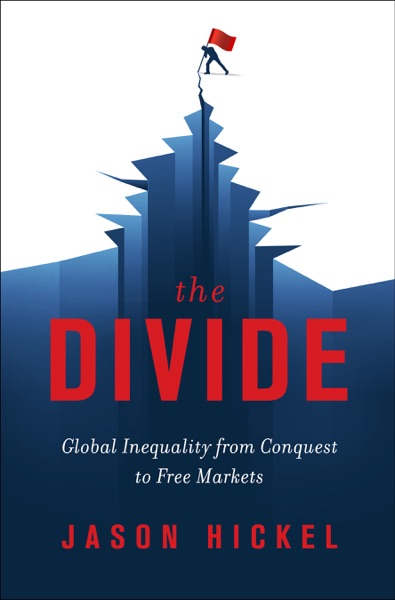
Jason Hickel · Economics
The Divide is Jason Hickel's argument that global poverty is not a natural condition that development has failed to fully remedy, but a product of policies — colonial extraction, debt regimes, trade rules, and structural adjustment — that wealthy countries have imposed on poor ones.
Both dig into economic policy.
Read the summary → - The White Man's Burden: Why the West's Efforts to Aid the Rest Have Done So Much Ill and So Little Good
08
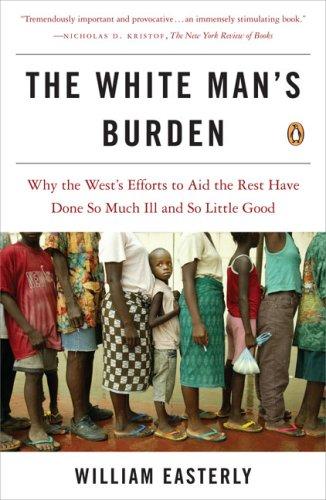
William Easterly · Economics
William Easterly spent two decades as a research economist at the World Bank before writing The White Man's Burden, and that institutional experience gives his critique of the development industry a quality that most outside critiques lack: he knows exactly how the machine works and why it produces what it does.
Both dig into foreign aid.
Read the summary → - The Changing World Order
09
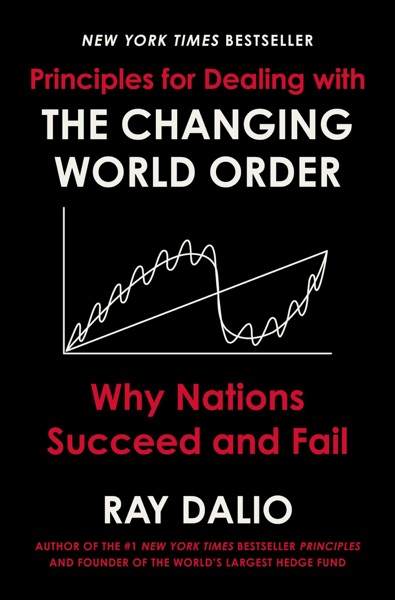
Ray Dalio · History
The Changing World Order is Ray Dalio's attempt to map the long arc of rising and declining empires through a systematic historical framework, with the explicit goal of understanding whether the United States is in decline and what a world with China as a co-dominant power would look like.
Both dig into debt.
Read the summary → - 100 to 1 in the Stock Market
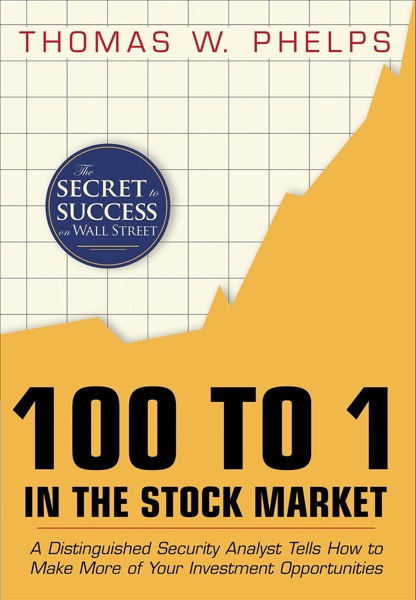
10
Thomas Phelps · Economics
100 to 1 in the Stock Market, published in 1972 by Thomas Phelps, is a study of the conditions under which stocks return one hundred times an investor's original investment — and an argument that such stocks are more common and more identifiable in advance than most investors believe.
A kindred economics read.
Read the summary → - A Random Walk Down Wall Street
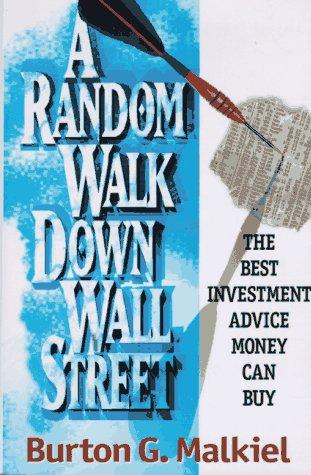
11
A Random Walk Down Wall Street
Burton G. Malkiel · Economics
A Random Walk Down Wall Street is Burton Malkiel's argument that stock prices move in a way that is effectively unpredictable, that professional fund managers cannot consistently beat the market, and that the rational response for most investors is to buy and hold a diversified index fund.
A kindred economics read.
Read the summary → - A Short History of Financial Euphoria
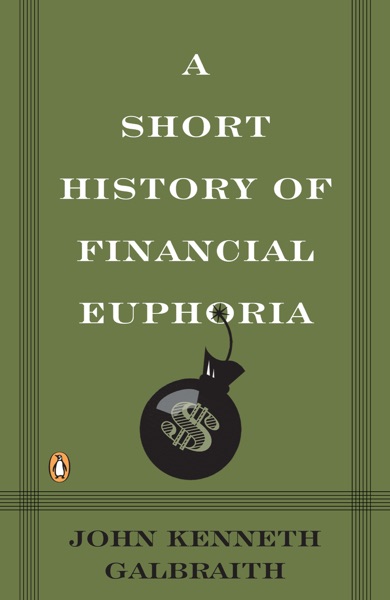
12
A Short History of Financial Euphoria
John Kenneth Galbraith · Economics
A Short History of Financial Euphoria is John Kenneth Galbraith's compressed account of speculative bubbles from the tulip mania of 1630s Holland through the 1987 US stock market crash.
A kindred economics read.
Read the summary →
Books like Dead Aid: Why Aid Is Not Working and How There Is a Better Way for Africa: quick answers
What are the best books like Dead Aid: Why Aid Is Not Working and How There Is a Better Way for Africa?
The best books like Dead Aid: Why Aid Is Not Working and How There Is a Better Way for Africa by Dambisa Moyo are Sapiens: A Brief History of Humankind by Yuval Noah Harari, Guns, Germs, and Steel by Jared Diamond, The Righteous Mind: Why Good People Are Divided by Politics and Religion by Jonathan Haidt, Thinking, Fast and Slow by Daniel Kahneman, Get Good with Money by Tiffany Aliche, plus 7 more below. Each was chosen for themes it shares with Dead Aid: Why Aid Is Not Working and How There Is a Better Way for Africa, such as foreign aid, african development, debt.
What should I read after Dead Aid: Why Aid Is Not Working and How There Is a Better Way for Africa?
A natural next read after Dead Aid: Why Aid Is Not Working and How There Is a Better Way for Africa is Sapiens: A Brief History of Humankind by Yuval Noah Harari. A kindred economics read. Other strong choices are Guns, Germs, and Steel by Jared Diamond, The Righteous Mind: Why Good People Are Divided by Politics and Religion by Jonathan Haidt, Thinking, Fast and Slow by Daniel Kahneman.
What books are similar to Dead Aid: Why Aid Is Not Working and How There Is a Better Way for Africa by Dambisa Moyo?
Dead Aid: Why Aid Is Not Working and How There Is a Better Way for Africa centers on foreign aid, african development, debt. Books with a similar feel include Sapiens: A Brief History of Humankind by Yuval Noah Harari, Guns, Germs, and Steel by Jared Diamond, The Righteous Mind: Why Good People Are Divided by Politics and Religion by Jonathan Haidt, Thinking, Fast and Slow by Daniel Kahneman, Get Good with Money by Tiffany Aliche, The Bottom Billion: Why the Poorest Countries Are Failing and What Can Be Done About It by Paul Collier — all free to read and chat with on Superbook.
