Psychology · Similar reads
Books like Just Babies: The Origins of Good and Evil
The best books like Just Babies: The Origins of Good and Evil are The Righteous Mind: Why Good People Are Divided by Politics and Religion, Behave: The Biology of Humans at Our Best and Worst, and Thinking, Fast and Slow. Just Babies: The Origins of Good and Evil by Paul Bloom is about moral development, human nature, empathy. If that's what drew you in, here are 12 books that share its DNA — each summarized on Superbook, and ready to chat with in the app.
- The Righteous Mind: Why Good People Are Divided by Politics and Religion
01
The Righteous Mind: Why Good People Are Divided by Politics and Religion
Jonathan Haidt · Psychology
The Righteous Mind is Jonathan Haidt's argument that moral reasoning is not the source of our moral judgments — it's the press secretary for them.
A kindred psychology read.
Read the summary → - Behave: The Biology of Humans at Our Best and Worst
02
Behave: The Biology of Humans at Our Best and Worst
Robert M. Sapolsky · Science
Behave is Robert Sapolsky's attempt to explain why humans do what they do — the violence, the altruism, the tribalism, the heroism — by working through every layer of biology that contributes to a single act.
A kindred psychology read.
Read the summary → - Thinking, Fast and Slow
03
Daniel Kahneman · Psychology
Thinking, Fast and Slow is Daniel Kahneman's account of the two cognitive systems that govern human thought.
A kindred psychology read.
Read the summary →
- Sapiens: A Brief History of Humankind
04
Sapiens: A Brief History of Humankind
Yuval Noah Harari · History
Sapiens traces the full arc of human history from the emergence of Homo sapiens in Africa roughly 70,000 years ago to the present.
A kindred psychology read.
Read the summary → - Against Empathy: The Case for Rational Compassion
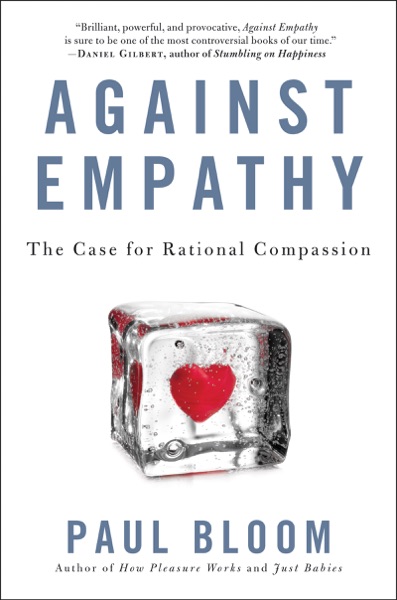
05
Against Empathy: The Case for Rational Compassion
Paul Bloom · Psychology
Paul Bloom's argument is not that we should care less about others.
Both dig into empathy.
Read the summary → - Emotional Intelligence
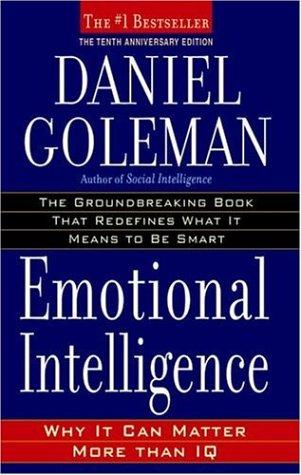
06
Daniel Goleman · Psychology
Daniel Goleman's Emotional Intelligence, published in 1995, made a widely influential argument: that the cluster of abilities involved in managing emotions — self-awareness, self-regulation, empathy, and social skill — predicts life outcomes at least as well as IQ, and possibly better in many domains.
Both dig into empathy.
Read the summary → - On Becoming a Person: A Therapist's View of Psychotherapy
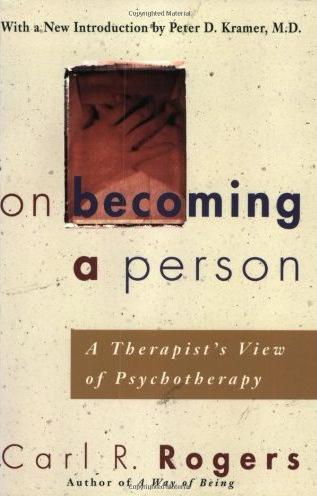
07
On Becoming a Person: A Therapist's View of Psychotherapy
Carl R. Rogers · Psychology
Carl Rogers wrote this book in 1961 as an attempt to communicate his therapeutic approach to readers outside the consulting room.
Both dig into empathy.
Read the summary → - Seven and a Half Lessons About the Brain
08
Seven and a Half Lessons About the Brain
Lisa Feldman Barrett · Psychology
Lisa Feldman Barrett wrote this short book — genuinely short at under thirty thousand words — as an accessible introduction to seven core findings of modern neuroscience, each presented as a lesson that overturns something most people believe.
Both dig into human nature.
Read the summary → - Social Intelligence: The New Science of Human Relationships
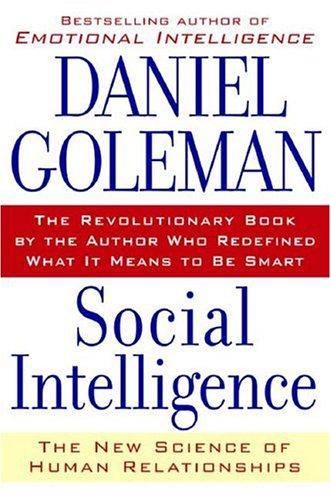
09
Social Intelligence: The New Science of Human Relationships
Daniel Goleman · Psychology
Daniel Goleman's follow-up to Emotional Intelligence shifts focus from the inner world to the social.
Both dig into empathy.
Read the summary → - Social: Why Our Brains Are Wired to Connect
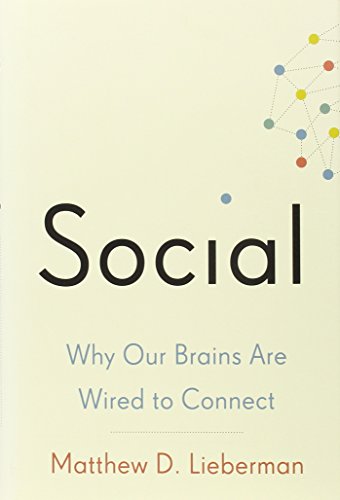
10
Social: Why Our Brains Are Wired to Connect
Matthew D. Lieberman · Psychology
Matthew Lieberman is one of the founders of social neuroscience, the field that uses brain imaging and neuroscience methods to study social behavior.
Both dig into empathy.
Read the summary → - The Confidence Game: Why We Fall for It Every Time
11
The Confidence Game: Why We Fall for It Every Time
Maria Konnikova · Psychology
Maria Konnikova has a PhD in psychology and writes about it for a wide audience.
Both dig into human nature.
Read the summary → - The Fear Factor: How One Emotion Connects Altruists, Psychopaths, and Everyone In-Between
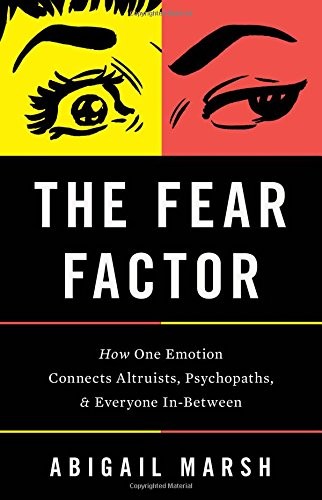
12
The Fear Factor: How One Emotion Connects Altruists, Psychopaths, and Everyone In-Between
Abigail Marsh · Psychology
Abigail Marsh is a Georgetown neuroscientist who studies why some people are extraordinarily altruistic and others are not.
Both dig into empathy.
Read the summary →
Books like Just Babies: The Origins of Good and Evil: quick answers
What are the best books like Just Babies: The Origins of Good and Evil?
The best books like Just Babies: The Origins of Good and Evil by Paul Bloom are The Righteous Mind: Why Good People Are Divided by Politics and Religion by Jonathan Haidt, Behave: The Biology of Humans at Our Best and Worst by Robert M. Sapolsky, Thinking, Fast and Slow by Daniel Kahneman, Sapiens: A Brief History of Humankind by Yuval Noah Harari, Against Empathy: The Case for Rational Compassion by Paul Bloom, plus 7 more below. Each was chosen for themes it shares with Just Babies: The Origins of Good and Evil, such as moral development, human nature, empathy.
What should I read after Just Babies: The Origins of Good and Evil?
A natural next read after Just Babies: The Origins of Good and Evil is The Righteous Mind: Why Good People Are Divided by Politics and Religion by Jonathan Haidt. A kindred psychology read. Other strong choices are Behave: The Biology of Humans at Our Best and Worst by Robert M. Sapolsky, Thinking, Fast and Slow by Daniel Kahneman, Sapiens: A Brief History of Humankind by Yuval Noah Harari.
What books are similar to Just Babies: The Origins of Good and Evil by Paul Bloom?
Just Babies: The Origins of Good and Evil centers on moral development, human nature, empathy. Books with a similar feel include The Righteous Mind: Why Good People Are Divided by Politics and Religion by Jonathan Haidt, Behave: The Biology of Humans at Our Best and Worst by Robert M. Sapolsky, Thinking, Fast and Slow by Daniel Kahneman, Sapiens: A Brief History of Humankind by Yuval Noah Harari, Against Empathy: The Case for Rational Compassion by Paul Bloom, Emotional Intelligence by Daniel Goleman — all free to read and chat with on Superbook.
