Business · Similar reads
Books like Moneyball: The Art of Winning an Unfair Game
The best books like Moneyball: The Art of Winning an Unfair Game are The Big Short: Inside the Doomsday Machine, Freakonomics, and Outliers: The Story of Success. Moneyball: The Art of Winning an Unfair Game by Michael Lewis is about data-driven decisions, competitive advantage, talent evaluation. If that's what drew you in, here are 12 books that share its DNA — each summarized on Superbook, and ready to chat with in the app.
- The Big Short: Inside the Doomsday Machine
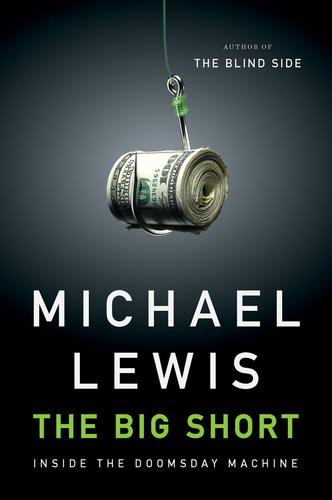
01
The Big Short: Inside the Doomsday Machine
Michael Lewis · Economics
The Big Short is Michael Lewis's account of the 2008 financial crisis as seen through the eyes of a handful of contrarians who saw the collapse coming, bet against the American housing market, and were right.
A kindred business read.
Read the summary → - Freakonomics
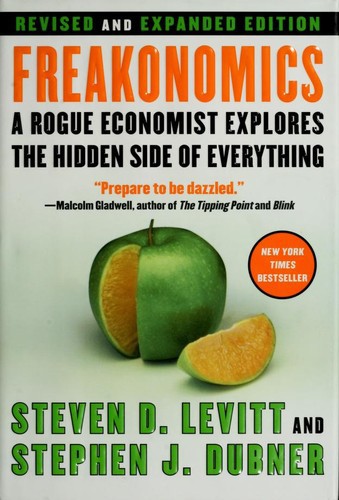
02
Steven D. Levitt and Stephen J. Dubner · Economics
Freakonomics is economist Steven Levitt and journalist Stephen Dubner's argument that economics — properly understood as the study of incentives — can explain things that look, on the surface, like they have nothing to do with money.
A kindred business read.
Read the summary → - Outliers: The Story of Success
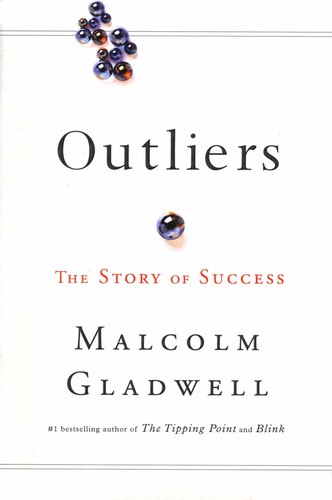
03
Outliers: The Story of Success
Malcolm Gladwell · Psychology
Outliers is Malcolm Gladwell's argument that exceptional success is less a product of individual genius or drive than it is of hidden advantages, timing, and accumulated opportunity.
A kindred business read.
Read the summary →
- Thinking, Fast and Slow
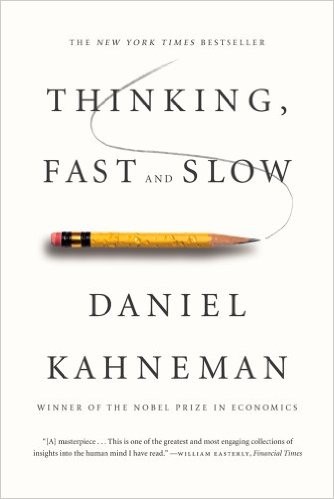
04
Daniel Kahneman · Psychology
Thinking, Fast and Slow is Daniel Kahneman's account of the two cognitive systems that govern human thought.
A kindred business read.
Read the summary → - Shoe Dog: A Memoir by the Creator of Nike
05
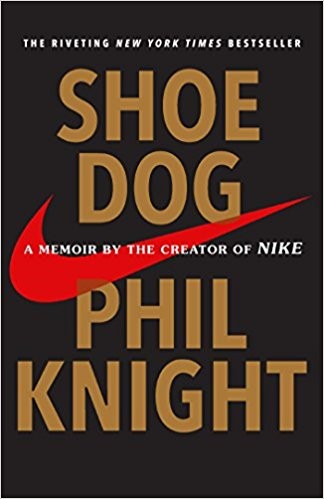
Shoe Dog: A Memoir by the Creator of Nike
Phil Knight · Memoir
Shoe Dog is Phil Knight's account of the first two decades of Nike, from the $50 loan he borrowed from his father in 1964 to fund his first shipment of Japanese running shoes to the company's IPO in 1980.
A kindred business read.
Read the summary → - 7 Powers: The Foundations of Business Strategy
06
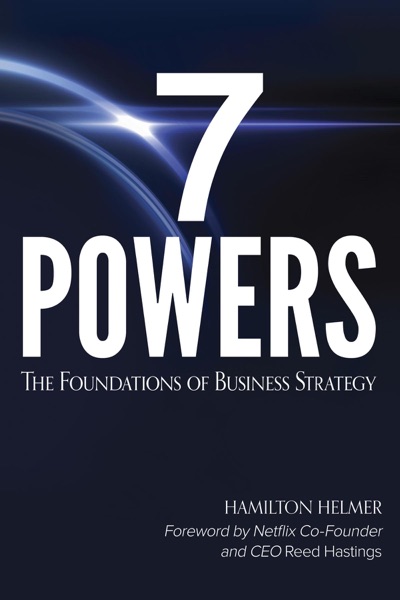
7 Powers: The Foundations of Business Strategy
Hamilton Helmer · Business
7 Powers is Hamilton Helmer's attempt to distill the full landscape of business strategy into a single rigorous framework.
Both dig into competitive advantage.
Read the summary → - Capital Returns
07
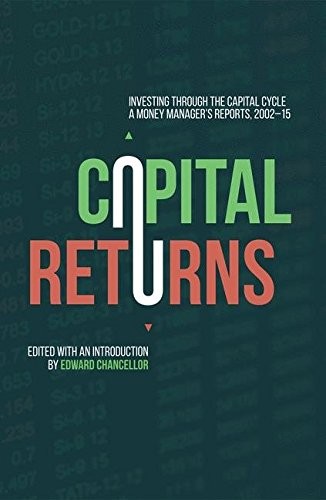
Edward Chancellor · Business
Capital Returns is Edward Chancellor's edited collection of investment letters from Marathon Asset Management, a London-based fund manager, covering roughly the period from 2002 to 2015.
Both dig into competitive advantage.
Read the summary → - Competition Demystified
08
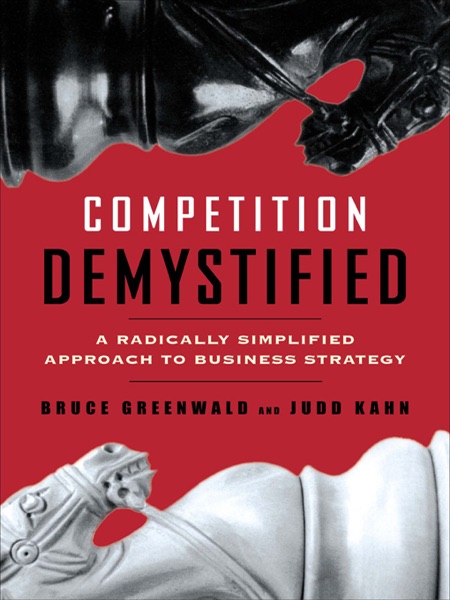
Bruce Greenwald and Judd Kahn · Business
Competition Demystified is Bruce Greenwald and Judd Kahn's deliberate simplification of competitive strategy — a counterweight to the complexity of the Porter Five Forces framework, which they argue gives strategists too many variables and not enough analytical clarity.
Both dig into competitive advantage.
Read the summary → - Competitive Strategy
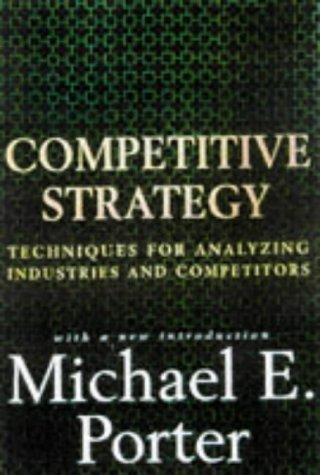
09
Michael E. Porter · Business
Competitive Strategy is Michael Porter's foundational framework for analyzing industries and developing competitive strategy.
Both dig into competitive advantage.
Read the summary → - Dealing with Darwin
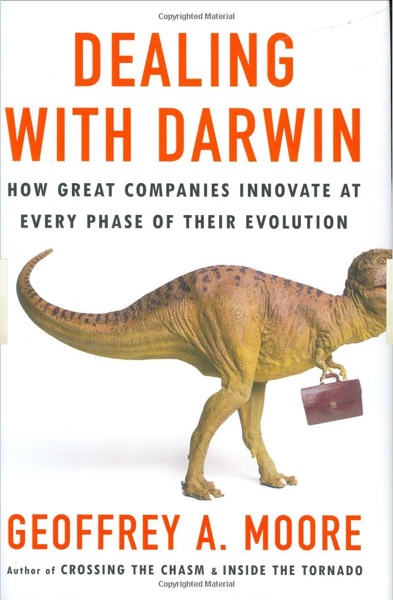
10
Geoffrey Moore · Business
Dealing with Darwin is Geoffrey Moore's 2005 argument that established companies face a form of Darwinian selection pressure that startup logic cannot address, and that surviving it requires a clear understanding of where a company sits in its technology lifecycle and what kind of innovation is appropriate at each stage.
Both dig into competitive advantage.
Read the summary → - Lean Analytics
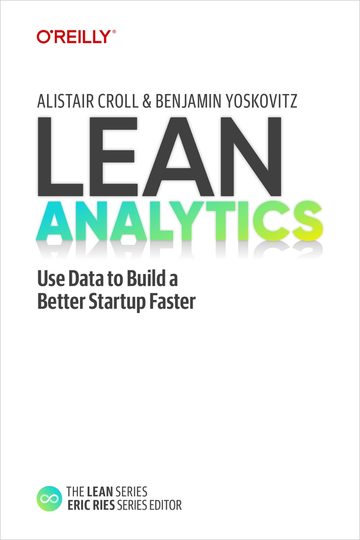
11
Alistair Croll and Benjamin Yoskovitz · Business
Lean Analytics is Alistair Croll and Benjamin Yoskovitz's attempt to give early-stage companies a practical framework for using data to move faster.
Both dig into data-driven decisions.
Read the summary → - The Innovator's Solution
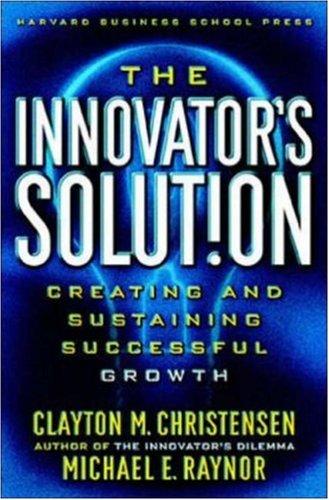
12
Clayton M. Christensen and Michael E. Raynor · Business
The Innovator's Solution is Christensen and Raynor's follow-up to The Innovator's Dilemma, which explained why great companies fail in the face of disruptive innovation.
Both dig into competitive advantage.
Read the summary →
Books like Moneyball: The Art of Winning an Unfair Game: quick answers
What are the best books like Moneyball: The Art of Winning an Unfair Game?
The best books like Moneyball: The Art of Winning an Unfair Game by Michael Lewis are The Big Short: Inside the Doomsday Machine by Michael Lewis, Freakonomics by Steven D. Levitt and Stephen J. Dubner, Outliers: The Story of Success by Malcolm Gladwell, Thinking, Fast and Slow by Daniel Kahneman, Shoe Dog: A Memoir by the Creator of Nike by Phil Knight, plus 7 more below. Each was chosen for themes it shares with Moneyball: The Art of Winning an Unfair Game, such as data-driven decisions, competitive advantage, talent evaluation.
What should I read after Moneyball: The Art of Winning an Unfair Game?
A natural next read after Moneyball: The Art of Winning an Unfair Game is The Big Short: Inside the Doomsday Machine by Michael Lewis. A kindred business read. Other strong choices are Freakonomics by Steven D. Levitt and Stephen J. Dubner, Outliers: The Story of Success by Malcolm Gladwell, Thinking, Fast and Slow by Daniel Kahneman.
What books are similar to Moneyball: The Art of Winning an Unfair Game by Michael Lewis?
Moneyball: The Art of Winning an Unfair Game centers on data-driven decisions, competitive advantage, talent evaluation. Books with a similar feel include The Big Short: Inside the Doomsday Machine by Michael Lewis, Freakonomics by Steven D. Levitt and Stephen J. Dubner, Outliers: The Story of Success by Malcolm Gladwell, Thinking, Fast and Slow by Daniel Kahneman, Shoe Dog: A Memoir by the Creator of Nike by Phil Knight, 7 Powers: The Foundations of Business Strategy by Hamilton Helmer — all free to read and chat with on Superbook.
