Business · Similar reads
Books like Playing to Win: How Strategy Really Works
The best books like Playing to Win: How Strategy Really Works are Good Strategy Bad Strategy, Competitive Strategy, and Blue Ocean Strategy. Playing to Win: How Strategy Really Works by Roger L. Martin and A.G. Lafley is about strategy, competition, decision-making. If that's what drew you in, here are 12 books that share its DNA — each summarized on Superbook, and ready to chat with in the app.
- Good Strategy Bad Strategy
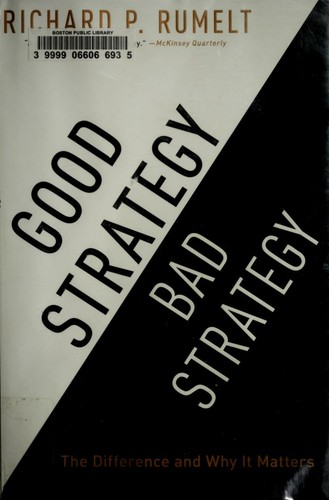
01
Richard Rumelt · Business
Good Strategy Bad Strategy is Richard Rumelt's indictment of the strategic planning process as it is practiced in most organizations, and his articulation of what genuine strategy actually requires.
Shares strategy and competition with Playing to Win: How Strategy Really Works.
Read the summary → - Competitive Strategy
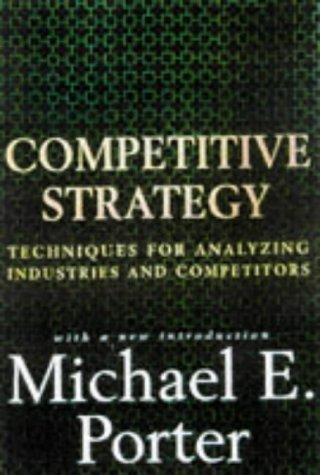
02
Michael E. Porter · Business
Competitive Strategy is Michael Porter's foundational framework for analyzing industries and developing competitive strategy.
Shares strategy and competition with Playing to Win: How Strategy Really Works.
Read the summary → - Blue Ocean Strategy
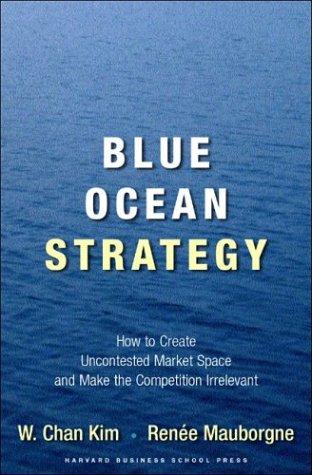
03
W. Chan Kim and Renée Mauborgne · Business
Blue Ocean Strategy is Kim and Mauborgne's case that the most successful companies don't compete in existing markets by beating rivals at their own game — they create new market spaces where competition is irrelevant.
Shares strategy and competition with Playing to Win: How Strategy Really Works.
Read the summary →
- The Innovator's Dilemma
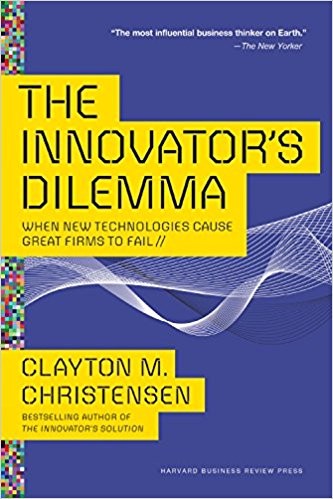
04
Clayton M. Christensen · Business
Christensen's argument, published in 1997, is deceptively simple: the very practices that make companies excellent at serving their current customers — listening carefully, investing in proven technologies, targeting the most profitable segments — are precisely what causes them to miss disruptive innovations.
Both dig into innovation.
Read the summary → - Competing Against Luck
05
Clayton M. Christensen · Business
Competing Against Luck is Clayton Christensen's most complete development of the Jobs to Be Done framework, which he introduced briefly in The Innovator's Solution.
Shares strategy and innovation with Playing to Win: How Strategy Really Works.
Read the summary → - Empowered: Ordinary People, Extraordinary Products
06
Empowered: Ordinary People, Extraordinary Products
Marty Cagan and Chris Jones · Business
Empowered is Marty Cagan and Chris Jones's guide to what separates product organizations that consistently build products people love from those that operate as feature factories.
Shares organizational design and innovation with Playing to Win: How Strategy Really Works.
Read the summary → - Escaping the Build Trap
07
Melissa Perri · Business
Escaping the Build Trap is Melissa Perri's diagnosis of why product organizations ship constantly but rarely deliver real value, and her prescription for how to change that pattern.
Shares strategy and organizational design with Playing to Win: How Strategy Really Works.
Read the summary → - Exponential Organizations
08
Salim Ismail · Business
Exponential Organizations is Salim Ismail's framework for understanding why some companies — Airbnb, Uber, GitHub, Google — grew ten times faster than their peers and why traditional organizations struggle to match that pace.
Shares organizational design and innovation with Playing to Win: How Strategy Really Works.
Read the summary → - Innovation and Entrepreneurship
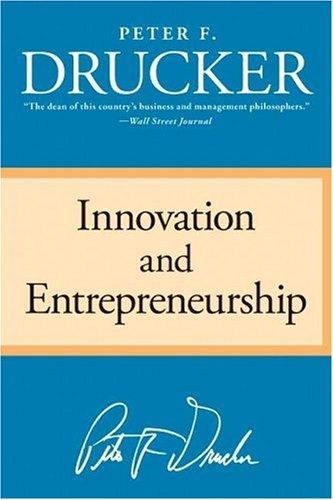
09
Innovation and Entrepreneurship
Peter F. Drucker · Business
Innovation and Entrepreneurship is Drucker's systematic treatment of a subject that, in 1985, most people still regarded as the province of lone geniuses and lucky accidents.
Shares strategy and innovation with Playing to Win: How Strategy Really Works.
Read the summary → - Loonshots
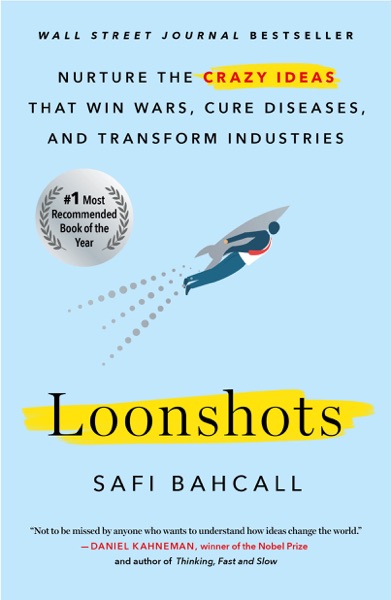
10
Safi Bahcall · Business
Loonshots is physicist and biotech CEO Safi Bahcall's argument that the most transformative innovations — the kind he calls loonshots, after the eccentric northern bird — are fragile ideas that look foolish or impossible until they suddenly aren't, and that organizations systematically kill them long before they get a chance to prove themselves.
Shares strategy and innovation with Playing to Win: How Strategy Really Works.
Read the summary → - No Rules Rules: Netflix and the Culture of Reinvention
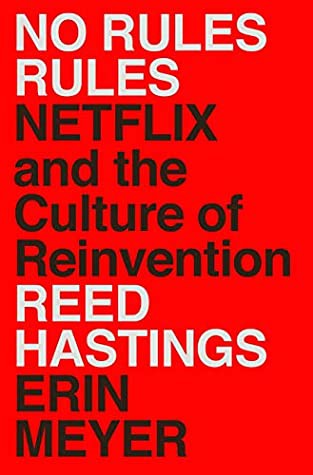
11
No Rules Rules: Netflix and the Culture of Reinvention
Reed Hastings and Erin Meyer · Business
No Rules Rules is Reed Hastings's account of the management philosophy that has governed Netflix since the company pivoted from DVDs to streaming and built one of the most watched entertainment platforms in the world.
Shares strategy and innovation with Playing to Win: How Strategy Really Works.
Read the summary → - Power and Prediction: The Disruptive Economics of Artificial Intelligence
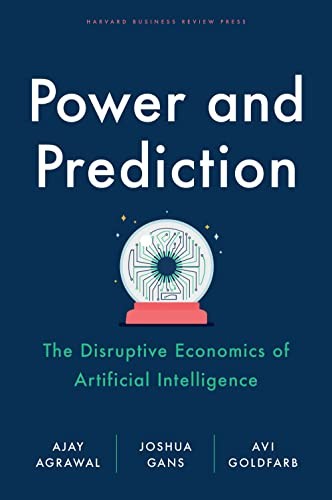
12
Power and Prediction: The Disruptive Economics of Artificial Intelligence
Ajay Agrawal, Joshua Gans, and Avi Goldfarb · Business
Power and Prediction is the second book from Ajay Agrawal, Joshua Gans, and Avi Goldfarb — the economists behind Prediction Machines — and it takes a more pointed look at what cheap AI-driven prediction actually disrupts.
Shares strategy and decision-making with Playing to Win: How Strategy Really Works.
Read the summary →
Books like Playing to Win: How Strategy Really Works: quick answers
What are the best books like Playing to Win: How Strategy Really Works?
The best books like Playing to Win: How Strategy Really Works by Roger L. Martin and A.G. Lafley are Good Strategy Bad Strategy by Richard Rumelt, Competitive Strategy by Michael E. Porter, Blue Ocean Strategy by W. Chan Kim and Renée Mauborgne, The Innovator's Dilemma by Clayton M. Christensen, Competing Against Luck by Clayton M. Christensen, plus 7 more below. Each was chosen for themes it shares with Playing to Win: How Strategy Really Works, such as strategy, competition, decision-making.
What should I read after Playing to Win: How Strategy Really Works?
A natural next read after Playing to Win: How Strategy Really Works is Good Strategy Bad Strategy by Richard Rumelt. Shares strategy and competition with Playing to Win: How Strategy Really Works. Other strong choices are Competitive Strategy by Michael E. Porter, Blue Ocean Strategy by W. Chan Kim and Renée Mauborgne, The Innovator's Dilemma by Clayton M. Christensen.
What books are similar to Playing to Win: How Strategy Really Works by Roger L. Martin and A.G. Lafley?
Playing to Win: How Strategy Really Works centers on strategy, competition, decision-making. Books with a similar feel include Good Strategy Bad Strategy by Richard Rumelt, Competitive Strategy by Michael E. Porter, Blue Ocean Strategy by W. Chan Kim and Renée Mauborgne, The Innovator's Dilemma by Clayton M. Christensen, Competing Against Luck by Clayton M. Christensen, Empowered: Ordinary People, Extraordinary Products by Marty Cagan and Chris Jones — all free to read and chat with on Superbook.
