Science · Similar reads
Books like Rest: Why You Get More Done When You Work Less
The best books like Rest: Why You Get More Done When You Work Less are Deep Work, Why We Sleep, and Flow: The Psychology of Optimal Experience. Rest: Why You Get More Done When You Work Less by Alex Soojung-Kim Pang is about rest, creativity, productivity. If that's what drew you in, here are 12 books that share its DNA — each summarized on Superbook, and ready to chat with in the app.
- Deep Work
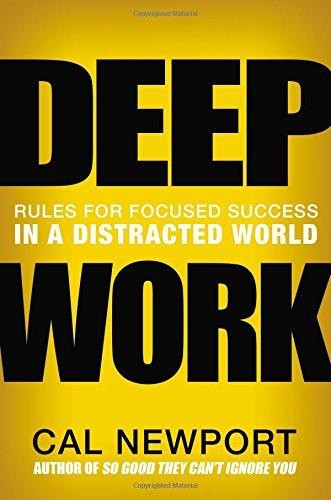
01
Cal Newport · Self-help
Deep Work is Cal Newport's case that the ability to focus without distraction on a cognitively demanding task is becoming both rarer and more valuable, and that people who cultivate it will thrive while everyone else stays stuck in shallow busywork.
Both dig into productivity.
Read the summary → - Why We Sleep
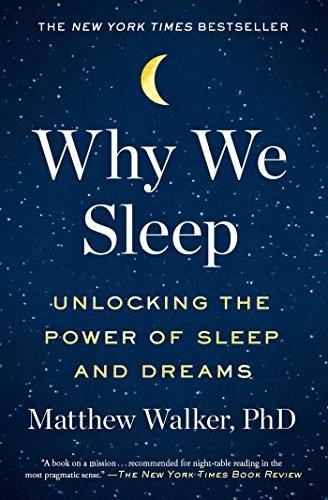
02
Matthew Walker · Science
Why We Sleep is Matthew Walker's attempt to do for sleep what no amount of public health messaging has managed: make people genuinely afraid of what they're losing.
A kindred science read.
Read the summary → - Flow: The Psychology of Optimal Experience
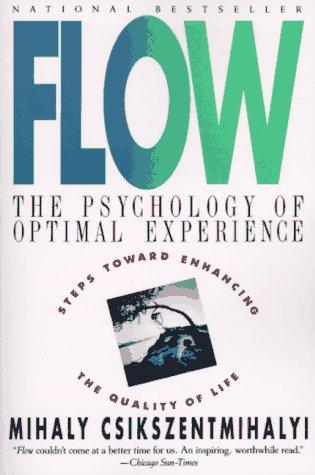
03
Flow: The Psychology of Optimal Experience
Mihaly Csikszentmihalyi · Psychology
Flow is Csikszentmihalyi's landmark study of optimal experience — those moments when people are so deeply absorbed in an activity that time warps, self-consciousness disappears, and effort feels effortless.
A kindred science read.
Read the summary →
- Four Thousand Weeks: Time Management for Mortals
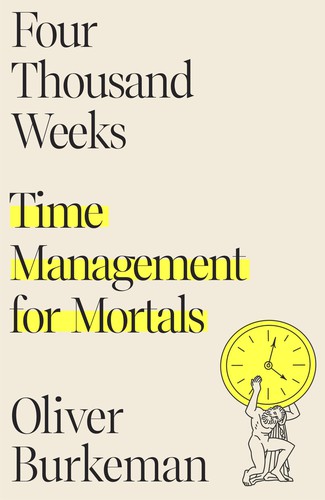
04
Four Thousand Weeks: Time Management for Mortals
Oliver Burkeman · Self-help
Four Thousand Weeks is Oliver Burkeman's philosophical attack on the entire project of time management as it is usually practiced.
Both dig into productivity.
Read the summary → - Hyperfocus
05
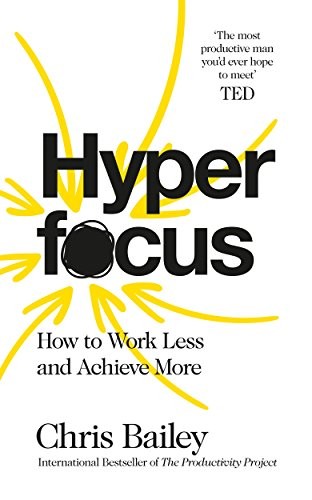
Chris Bailey · Self-help
Hyperfocus is Chris Bailey's second book, narrowing in on the attention piece of his earlier productivity triad.
Shares creativity and productivity with Rest: Why You Get More Done When You Work Less.
Read the summary → - Hackers: Heroes of the Computer Revolution
06
Hackers: Heroes of the Computer Revolution
Steven Levy · Science
Hackers: Heroes of the Computer Revolution is Steven Levy's account of the community of computer enthusiasts who drove the digital revolution from the late 1950s through the early 1980s — the original hackers of MIT's Tech Model Railroad Club and later AI lab, the hardware hackers of the Bay Area Homebrew Computer Club, and the software entrepreneurs who built the early PC industry.
Both dig into creativity.
Read the summary → - Range: Why Generalists Triumph in a Specialized World
07
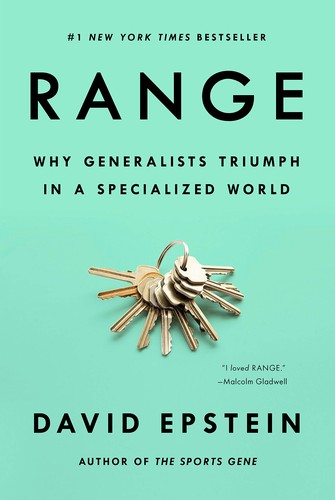
Range: Why Generalists Triumph in a Specialized World
David Epstein · Science
Range is David Epstein's argument against the ten-thousand-hours gospel.
Both dig into creativity.
Read the summary → - Subtract: The Untapped Science of Less
08
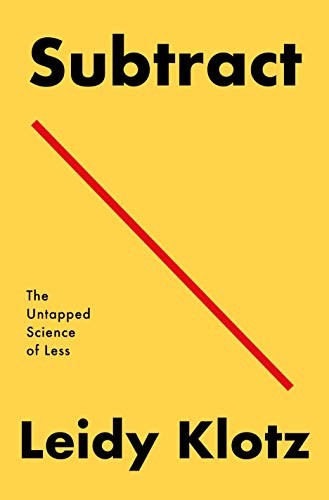
Subtract: The Untapped Science of Less
Leidy Klotz · Science
Subtract is built on a finding from Leidy Klotz's research at the University of Virginia: when people are asked to improve something, they default overwhelmingly to addition.
Both dig into creativity.
Read the summary → - The Art of Doing Science and Engineering
09
The Art of Doing Science and Engineering
Richard Hamming · Science
Richard Hamming's book is based on a course he taught at the Naval Postgraduate School in the late 1980s, after a long career at Bell Labs where he made foundational contributions to information theory and computer science — the Hamming distance, Hamming codes, and various contributions to numerical methods all bear his name.
Both dig into creativity.
Read the summary → - The Brain's Way of Healing
10
Norman Doidge · Science
The Brain's Way of Healing is Norman Doidge's follow-up to The Brain That Changes Itself and extends its central argument: the brain retains significant capacity to reorganize itself throughout life, and this plasticity can be deliberately harnessed to treat conditions that conventional medicine has largely written off as permanent.
Both dig into recovery.
Read the summary → - A Beautiful Mind
11
Sylvia Nasar · Biography
Sylvia Nasar's biography of the mathematician John Nash — Nobel laureate, game theory pioneer, and paranoid schizophrenic — is one of the finest accounts of genius and mental illness in biographical literature.
Both dig into recovery.
Read the summary → - A World Without Email
12
Cal Newport · Business
A World Without Email is Cal Newport's most targeted critique of modern knowledge work culture.
Both dig into productivity.
Read the summary →
Books like Rest: Why You Get More Done When You Work Less: quick answers
What are the best books like Rest: Why You Get More Done When You Work Less?
The best books like Rest: Why You Get More Done When You Work Less by Alex Soojung-Kim Pang are Deep Work by Cal Newport, Why We Sleep by Matthew Walker, Flow: The Psychology of Optimal Experience by Mihaly Csikszentmihalyi, Four Thousand Weeks: Time Management for Mortals by Oliver Burkeman, Hyperfocus by Chris Bailey, plus 7 more below. Each was chosen for themes it shares with Rest: Why You Get More Done When You Work Less, such as rest, creativity, productivity.
What should I read after Rest: Why You Get More Done When You Work Less?
A natural next read after Rest: Why You Get More Done When You Work Less is Deep Work by Cal Newport. Both dig into productivity. Other strong choices are Why We Sleep by Matthew Walker, Flow: The Psychology of Optimal Experience by Mihaly Csikszentmihalyi, Four Thousand Weeks: Time Management for Mortals by Oliver Burkeman.
What books are similar to Rest: Why You Get More Done When You Work Less by Alex Soojung-Kim Pang?
Rest: Why You Get More Done When You Work Less centers on rest, creativity, productivity. Books with a similar feel include Deep Work by Cal Newport, Why We Sleep by Matthew Walker, Flow: The Psychology of Optimal Experience by Mihaly Csikszentmihalyi, Four Thousand Weeks: Time Management for Mortals by Oliver Burkeman, Hyperfocus by Chris Bailey, Hackers: Heroes of the Computer Revolution by Steven Levy — all free to read and chat with on Superbook.
